

The Authority in Global Agricultural Chemistry & Bio-Resources
When bulk fishing boat accessories lower total cost
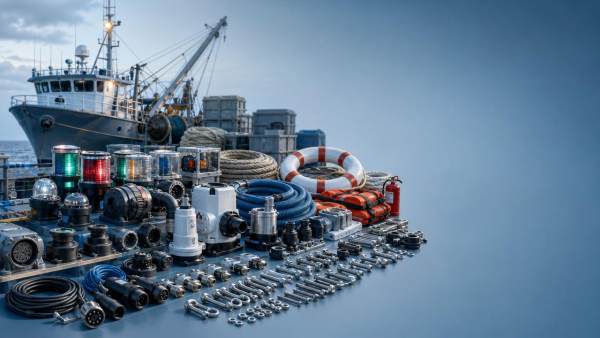
For finance approvers, the case for fishing boat accessories bulk purchasing goes beyond unit price. When fleets standardize procurement across critical components, they often reduce downtime, simplify inventory control, and strengthen supplier terms at scale. This article examines how bulk buying can lower total ownership cost while supporting compliance, maintenance efficiency, and long-term operational planning in commercial fishery environments.
What does fishing boat accessories bulk purchasing really include?
The term fishing boat accessories bulk covers more than ropes, hooks, and storage bins. In commercial operations, it usually includes standardized replacement and support items.
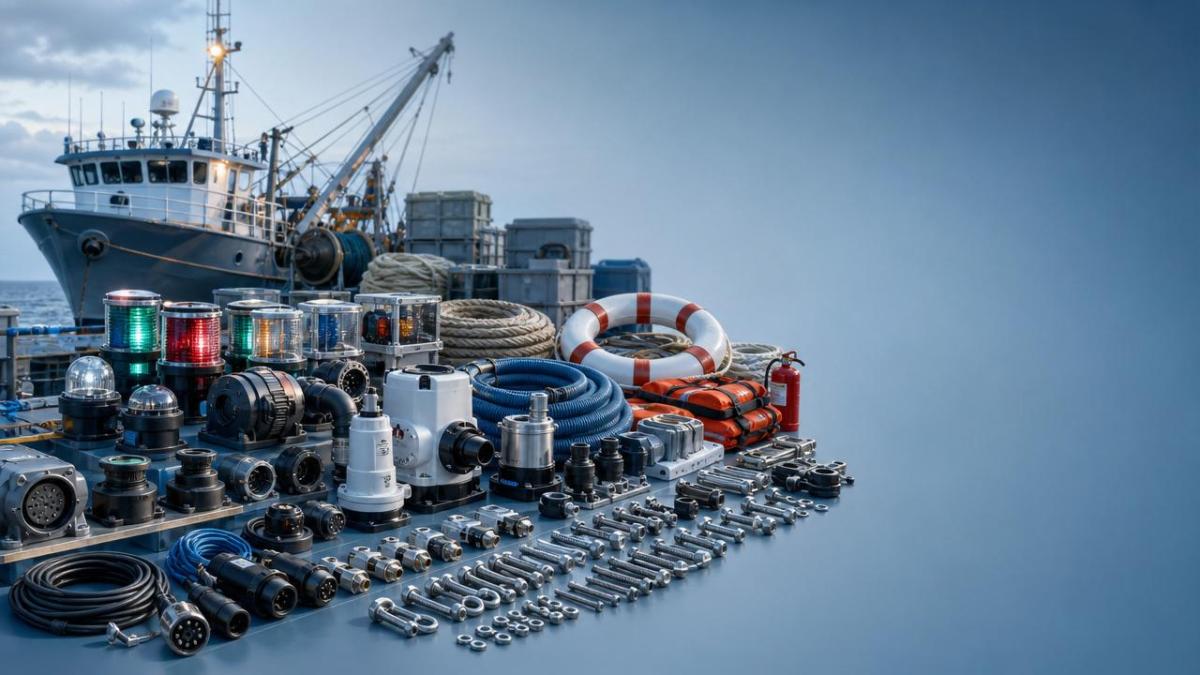
Typical categories include deck hardware, navigation lights, electrical connectors, bilge pumps, fenders, marine fasteners, winch parts, safety devices, and insulated handling tools.
It may also include cleaning chemicals, corrosion protection materials, hatch seals, hose assemblies, and packaging supplies used in fish handling workflows.
When evaluating fishing boat accessories bulk contracts, total cost should include purchase price, delivery frequency, storage losses, compatibility, maintenance labor, and replacement intervals.
A low invoice value can still produce a high operating burden if parts vary by vessel, fail early, or require emergency freight.
- Consumables with predictable turnover
- Safety-critical spare parts
- Maintenance items shared across multiple boats
- Compliance-linked accessories requiring documented traceability
This is why fishing boat accessories bulk planning belongs inside asset management, not only inside routine purchasing activity.
How can fishing boat accessories bulk lower total ownership cost?
The strongest savings often come from avoided disruption. A vessel delayed by a missing connector or failed pump may lose catch value, labor efficiency, and port scheduling flexibility.
Bulk purchasing reduces those interruptions by improving parts availability. That means fewer last-minute orders and fewer premium shipping charges during urgent repairs.
Another saving comes from standardization. If the same accessory set fits several vessels, training becomes easier and maintenance routines become more repeatable.
Technicians spend less time identifying substitutes. Inventory records become cleaner, and unused slow-moving parts stop accumulating across separate storage points.
Suppliers may also offer stronger terms with fishing boat accessories bulk agreements. These can include annual pricing, scheduled deliveries, bundled warranties, or priority technical support.
The financial effect is broader than direct discounting. Better payment terms can improve cash planning, while stable supply reduces exposure to volatile seasonal pricing.
Where the hidden savings usually appear
- Reduced emergency freight and rush handling
- Lower downtime from missing parts
- Less labor spent on item-by-item sourcing
- Fewer compatibility errors during repairs
- Lower stock obsolescence through standardization
In practice, fishing boat accessories bulk programs work best when tied to maintenance records, vessel age, route intensity, and failure history.
Which accessories are best suited to bulk buying?
Not every marine item should be purchased in high volume. The best candidates have stable demand, broad vessel compatibility, and measurable replacement cycles.
Examples include clamps, connectors, sealed lights, deck gloves, hoses, gaskets, fasteners, filters, ropes, flotation aids, and sanitation materials.
Items with frequent design changes or uncertain usage patterns may not fit a fishing boat accessories bulk strategy. Oversupply creates waste and ties up working capital.
Selection should start with maintenance logs. Review which items trigger repeat orders, cause delays, or show unstable pricing during peak fishing periods.
The most efficient fishing boat accessories bulk list is usually narrow at first. Expand only after usage data confirms reliable turnover.
How should quality, compliance, and supplier terms be evaluated?
Bulk purchasing amplifies both good and bad decisions. If a low-grade component is bought at scale, every vessel may inherit the same failure pattern.
For that reason, fishing boat accessories bulk sourcing must include specification control. Materials, saltwater resistance, load rating, and certification status should be documented clearly.
Traceability matters for safety items and regulated handling environments. Packaging labels, batch records, and test reports support consistent inspections and easier incident review.
Supplier evaluation should go beyond catalog breadth. Delivery performance, replacement lead times, defect response, and product continuity are equally important.
Checklist for comparing suppliers
- Can identical specifications be maintained over contract periods?
- Are marine-grade materials verified and documented?
- Is there support for scheduled or staged delivery?
- How are defects, returns, and substitutions managed?
- Can demand forecasts be matched to seasonal fishing cycles?
Strong fishing boat accessories bulk contracts also define reorder points, shelf-life controls, and approved substitute procedures before any shortage occurs.
What risks and misconceptions can weaken bulk savings?
The biggest misconception is that more volume always means more savings. If storage conditions are poor, corrosion, packaging damage, or expiration can erase price advantages.
Another common mistake is buying too many unique items together. Mixed low-turnover stock often hides inside large orders and inflates carrying costs.
Some operations ignore vessel variation. A fishing boat accessories bulk program should respect deck layout, engine systems, electrical standards, and route-specific operating stress.
There is also a forecasting risk. Historic usage may not reflect future demand if fleet size, fishing zones, maintenance schedules, or regulations change.
The safest approach is controlled scaling. Test performance with a focused fishing boat accessories bulk assortment before extending the program fleet-wide.
How can a practical fishing boat accessories bulk strategy be implemented?
Start with consumption data from the last twelve months. Group items by failure frequency, criticality, compatibility, and storage stability.
Next, define a standard bill of accessories for each vessel category. This prevents uncontrolled variation and supports cleaner replenishment planning.
Then compare suppliers using landed cost rather than unit cost alone. Include freight, duty, packaging, defect handling, and stockholding assumptions.
A staged model often works better than one large delivery. Fishing boat accessories bulk can still be contracted annually while shipments arrive monthly or quarterly.
- Audit current accessory usage and downtime incidents.
- Identify high-turnover and safety-linked items.
- Set technical specifications and approved alternatives.
- Request staged delivery and service-level commitments.
- Review results quarterly against downtime and inventory metrics.
When managed this way, fishing boat accessories bulk becomes a cost-control tool, a maintenance support system, and a resilience measure for commercial marine operations.
Quick FAQ summary: what should be checked before ordering?
The value of fishing boat accessories bulk is strongest when decisions are based on lifecycle cost, not headline discount alone. Standardized accessories can improve uptime, compliance visibility, and repair efficiency across demanding marine environments.
A practical next step is to review recent accessory spend against downtime records and identify the ten items most suitable for controlled volume purchasing. From there, build a specification-led program with staged delivery and measurable performance targets.
Related Intelligence
- Commercial FishingWhat Should You Check in a Fishery Equipment Maintenance Contract?What should I look for in a fishery equipment maintenance contract? Explore coverage, response times, costs, records, safety, and biosecurity essentials.
- Commercial FishingDo commercial fishing vessels with hybrid diesel-electric propulsion reduce fuel cost per kg landed by more than 12%?Commercial fishing vessels with hybrid diesel-electric propulsion *can* cut fuel cost per kg landed by >12%—but only under precise operational and infrastructure conditions. Discover the real ROI.
- Commercial FishingHow to Choose Oyster Processing Equipment for Capacity, Hygiene, and Labor EfficiencyOyster processing equipment guide: compare capacity, hygienic design, and labor efficiency to build a reliable, scalable line and make smarter buying decisions.
The Morning Broadsheet
Daily chemical briefings, market shifts, and peer-reviewed summaries delivered to your terminal.
