

The Authority in Global Agricultural Chemistry & Bio-Resources
What to check before buying marine life jackets commercial
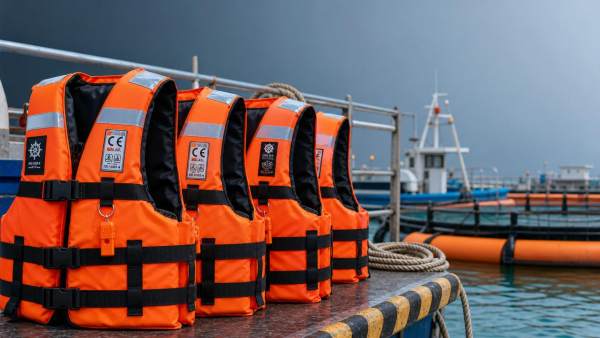
Buying marine life jackets commercial for fleets, workboats, or aquaculture operations requires more than checking price and stock. Procurement teams must evaluate certification, buoyancy performance, material durability, sizing compliance, and supplier traceability to reduce operational risk and meet safety standards. This guide outlines the key factors buyers should review before making a reliable commercial purchasing decision.
What should buyers verify first when sourcing marine life jackets commercial?
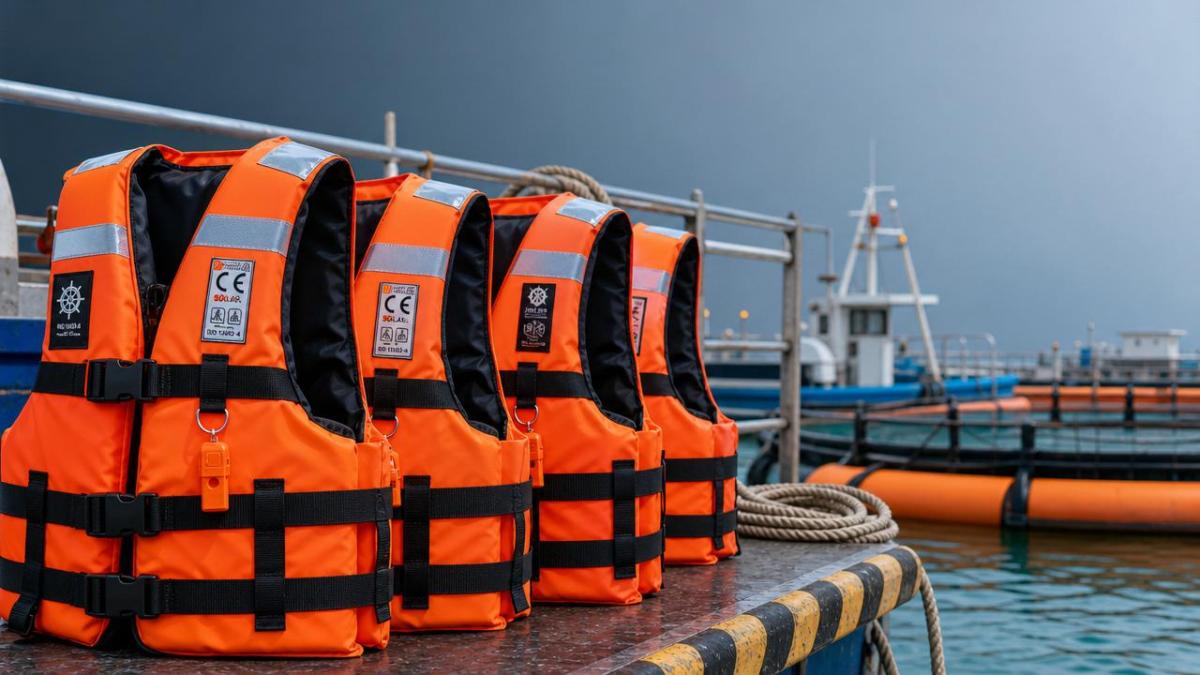
For procurement teams, the first filter is not color, packaging, or even unit cost. It is whether the marine life jackets commercial range matches the operational environment, crew profile, and compliance obligations of the vessel owner or industrial operator.
In aquaculture, fishery support, port service, and utility craft operations, life jackets are safety equipment tied directly to duty of care. A wrong purchase can create inspection failures, insurance disputes, poor wear compliance, and avoidable replacement costs.
ACC tracks procurement behavior across regulated industrial sectors where technical validation matters. The same discipline used in evaluating machinery, feed systems, or chemical inputs also applies to personal flotation equipment: define the use case, confirm the standard, validate the supplier, then negotiate commercial terms.
- Identify the vessel type and work pattern, such as inshore service boats, offshore support craft, barge operations, hatchery logistics, or emergency rescue standby.
- Check the required regulatory framework in the destination market, port authority, or customer contract, especially where approved flotation devices are mandatory.
- Map the user population by body size, clothing layers, shift duration, and likelihood of all-day wear, because theoretical compliance often fails at the comfort stage.
- Assess supplier traceability, replacement lead time, and batch consistency before comparing prices across vendors.
Which standards and certifications matter for commercial marine life jackets?
Standards are the backbone of a sound marine life jackets commercial decision. Buyers should avoid generic descriptions such as “marine grade” unless they are backed by recognized approval markings, technical documents, and market-specific conformity records.
The right certification depends on where the jackets will be used, who operates the vessels, and whether the product is intended for constant wear, emergency stowage, or special working conditions. Some buyers need SOLAS-aligned products for merchant or offshore environments, while others may source devices approved under regional recreational or occupational frameworks.
The table below helps procurement teams compare common compliance checkpoints before placing a commercial order for marine life jackets.
A certificate alone is not enough. Buyers should cross-check whether the approved configuration is the same one being quoted, including accessories, reflective tape, whistle, lifting loop, or inflation system if applicable.
How ACC supports standards review
AgriChem Chronicle serves procurement-led sectors where regulatory interpretation influences buying decisions. For marine-adjacent operations such as aquaculture and fishery logistics, ACC helps buyers assess whether a supplier’s documentation is commercially useful, current, and consistent with the operational setting rather than merely promotional.
How do buoyancy, design, and wearability affect commercial selection?
Many marine life jackets commercial tenders fail because the product passes paper review but performs poorly in real use. Workers who find the jacket bulky, hot, restrictive, or badly sized often remove it during routine tasks, which defeats the safety objective.
Procurement teams should separate emergency flotation from practical wearability. A deckhand handling nets, a hatchery technician boarding small craft, and a port maintenance worker all need flotation support, but not necessarily the same structure or buoyancy profile.
Key technical checks before ordering
- Buoyancy class and intended water conditions, including calm inland waters, coastal exposure, or harsher offshore scenarios.
- Foam or inflatable construction, depending on maintenance capabilities, storage conditions, and user training level.
- Ergonomics around shoulder mobility, neck clearance, and compatibility with rainwear, cold-weather gear, or communication equipment.
- Visibility features such as reflective elements and high-visibility outer fabric for low-light or heavy-traffic zones.
- Attachment points for whistle, light, locator accessories, or recovery aids when site procedures require them.
A good purchase is one that users will actually wear. This is particularly true in aquaculture support and fishery handling, where repetitive movement, wet surfaces, and long shifts make comfort a procurement issue, not just a user preference.
What materials and durability factors should procurement teams compare?
Commercial buyers should look beyond headline durability claims. Marine life jackets commercial are exposed to UV radiation, salt spray, abrasion from rails and cages, fish slime, cleaning chemicals, and rough storage routines. Material selection strongly affects replacement frequency and total ownership cost.
The following comparison table is useful when evaluating marine life jackets commercial for different duty cycles and operating environments.
The most economical option is not always the lowest-priced model. In multi-site operations, a slightly higher unit price can be justified if it reduces seasonal replacement, improves wear compliance, and simplifies standardized reordering.
How should buyers match marine life jackets commercial to specific work scenarios?
Commercial selection works best when buyers define the scenario first. A single stock-keeping unit may suit some fleets, but mixed operations often require two or more configurations to balance compliance, comfort, and cost control.
Typical application scenarios
- Aquaculture workboats: prioritize mobility, abrasion resistance, and compatibility with wet-weather clothing during repeated boarding, feeding, and cage inspection.
- Fishery support fleets: assess visibility features, recovery aids, and practical comfort where crews work with gear, ropes, and variable weather exposure.
- Port and utility service craft: focus on frequent wear, quick adjustment, and easy issue tracking across rotating staff and contractors.
- Emergency reserve stock: verify compact storage, shelf-life controls, clear labeling, and efficient inspection routines for seldom-used equipment.
When reviewing a marine life jackets commercial proposal, ask whether the supplier understands the actual work task. A vendor that only quotes by buoyancy category may not be able to support a mixed-site industrial program.
What commercial and supply chain risks do procurement teams often miss?
Safety products are often bought under time pressure before an audit, vessel launch, or seasonal expansion. That makes marine life jackets commercial sourcing vulnerable to hidden risks that do not appear on the quotation sheet.
Common blind spots in commercial purchasing
- Buying against a photo or catalog description without checking the exact approved specification and accessory set.
- Ignoring size distribution data, which leads to excess stock in slow-moving sizes and shortages in common crew sizes.
- Failing to define inspection, maintenance, and replacement responsibility across central stores, vessel masters, and site safety teams.
- Assuming the same product is suitable across offshore, inshore, and dockside use without reviewing actual hazard exposure.
- Overlooking lead time for replenishment, especially when seasonal fishery activity or project mobilization creates sudden volume demand.
ACC emphasizes traceability because industrial procurement is increasingly judged by audit readiness. Buyers should request production origin, batch reference logic, packaging detail, and document consistency before final award, not after goods arrive.
How can buyers build a practical procurement checklist?
A structured checklist reduces rework and shortens approval cycles. It also helps purchasing departments align with operations, safety managers, and technical reviewers when ordering marine life jackets commercial in volume.
Use the checklist below to evaluate quotations, samples, and supplier responses in a consistent way.
This kind of matrix is especially useful for buyers managing multiple industrial categories. It creates a repeatable buying method similar to how technical teams assess feed equipment, processing components, or compliant chemical supply.
FAQ: practical questions before placing a marine life jackets commercial order
How many samples should a buyer review before bulk purchase?
For a standard fleet order, review enough samples to test fit across your main user size range and clothing conditions. Procurement should involve both safety and operations personnel so the evaluation reflects movement, comfort, and practical deployment rather than paperwork alone.
Are inflatable options always better for marine life jackets commercial use?
Not always. Inflatable designs can improve comfort and reduce bulk, but they also require disciplined inspection, correct storage, and maintenance control. Foam-based options may be more practical where maintenance routines are less formal or equipment receives rough daily handling.
What is the biggest mistake in commercial life jacket procurement?
The most common mistake is treating all marine life jackets commercial products as interchangeable once they carry an approval mark. Differences in wearability, materials, configuration, and traceability can materially affect safety performance and long-term ownership cost.
How should buyers evaluate supplier reliability?
Look for consistency in documentation, responsiveness on technical questions, transparency on manufacturing origin, and clarity on reorder support. A reliable supplier should be able to explain approved use conditions, lead time assumptions, and what happens if a specification changes.
Why work with ACC when evaluating marine life jackets commercial options?
AgriChem Chronicle operates where industrial procurement, compliance discipline, and technical review intersect. That matters for buyers in aquaculture, fishery support, and primary industry logistics who need more than a sales brochure when comparing marine life jackets commercial suppliers.
Our editorial framework is built for decision-makers who must validate specifications, understand regulatory language, and compare supply chain credibility across complex categories. We focus on evidence-based review, practical procurement interpretation, and commercially relevant technical context.
- Ask us to help clarify parameter requirements for different vessel types, shift patterns, and operational environments.
- Consult on product selection logic, including flotation type, wearability priorities, and replacement planning.
- Review likely lead-time risks, documentation gaps, and supplier traceability questions before tender award.
- Discuss certification expectations, sample evaluation points, and quotation comparison criteria with a procurement-centered lens.
- Use ACC as a specialist information partner when preparing internal approval notes or cross-functional sourcing decisions.
If your team is reviewing marine life jackets commercial for fleets, workboats, aquaculture facilities, or industrial marine programs, contact ACC for guidance on parameter confirmation, model selection, documentation review, delivery planning, certification questions, sample assessment, and quotation alignment.
Related Intelligence
- Commercial FishingWhat Should You Check in a Fishery Equipment Maintenance Contract?What should I look for in a fishery equipment maintenance contract? Explore coverage, response times, costs, records, safety, and biosecurity essentials.
- Commercial FishingDo commercial fishing vessels with hybrid diesel-electric propulsion reduce fuel cost per kg landed by more than 12%?Commercial fishing vessels with hybrid diesel-electric propulsion *can* cut fuel cost per kg landed by >12%—but only under precise operational and infrastructure conditions. Discover the real ROI.
- Commercial FishingHow to Choose Oyster Processing Equipment for Capacity, Hygiene, and Labor EfficiencyOyster processing equipment guide: compare capacity, hygienic design, and labor efficiency to build a reliable, scalable line and make smarter buying decisions.
The Morning Broadsheet
Daily chemical briefings, market shifts, and peer-reviewed summaries delivered to your terminal.
