

The Authority in Global Agricultural Chemistry & Bio-Resources
What makes a hydraulic net hauler safer at sea?
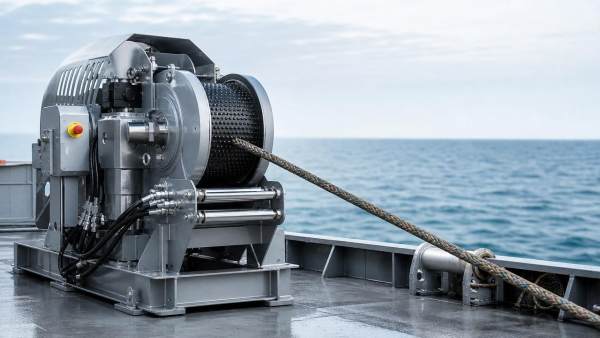
What makes a hydraulic net hauler truly safer at sea? For quality control and safety managers, the answer lies in more than lifting power alone. A well-designed hydraulic net hauler combines load stability, pressure control, corrosion resistance, emergency stopping capability, and operator protection to reduce injury risks and equipment failure in harsh marine conditions. Understanding these safety-critical features is essential for compliant, efficient, and reliable fishery operations.
In commercial fishing and aquaculture support vessels, the hydraulic net hauler is a high-load, high-contact machine operating in one of the most unforgiving environments in industry. Saltwater, repeated shock loading, deck movement, trapped lines, and operator fatigue can turn a routine hauling cycle into a serious safety event within seconds.
For safety managers, the concern is not simply whether a unit can haul more kilograms per minute. The real question is whether it can maintain control under variable loads, protect operators during sudden line movement, and remain dependable after hundreds of operating hours in corrosive marine service.
For quality control teams, evaluating a hydraulic net hauler means checking system integrity across materials, hoses, seals, hydraulic pressure stability, guard design, stopping distance, and maintainability. A safer machine is usually the one that performs predictably under stress, not just the one with the highest nominal power rating.
Why safety design matters more than raw hauling power
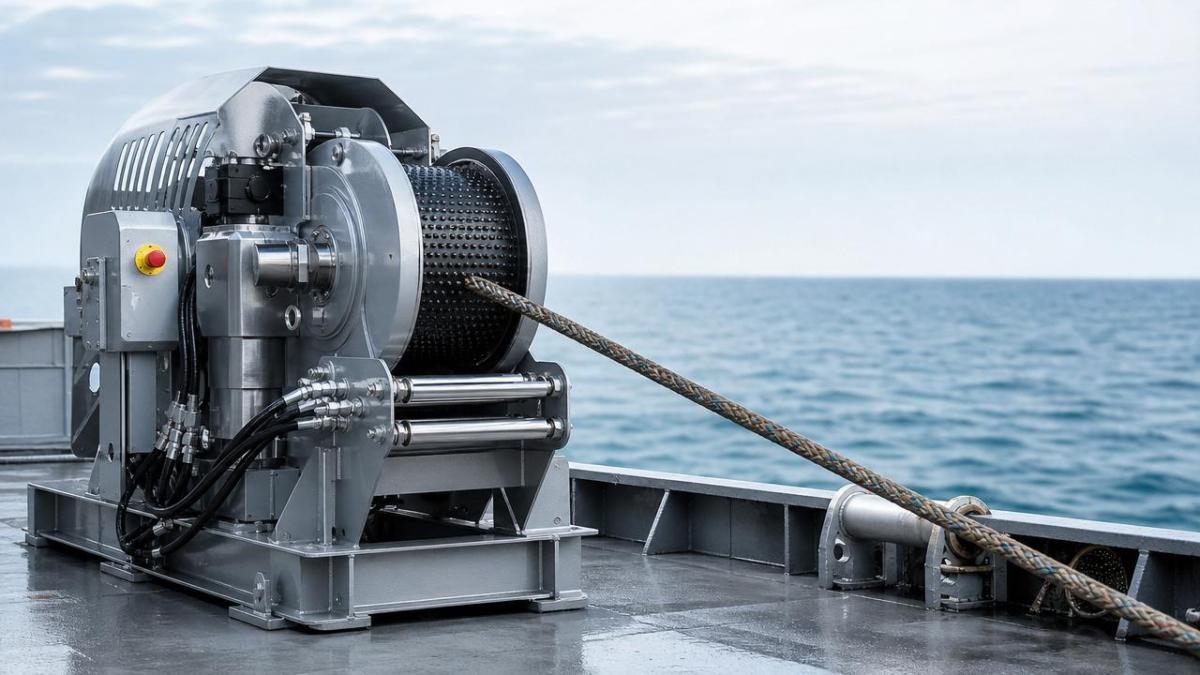
On working decks, injuries often happen during abnormal moments: a snagged net, a sudden vessel roll, a pressure spike, or an operator reaching too close to a rotating drum. That is why a hydraulic net hauler should be assessed as a control system, not only as a lifting device.
In many fishery operations, hauling loads can shift from a few hundred kilograms to well above 1,000 kg depending on net size, catch density, water drag, and current conditions. A machine that handles these variations smoothly reduces shock transfer to both crew and vessel structure.
The five core safety functions
A safer hydraulic net hauler usually combines five baseline functions: controlled traction, stable hydraulic pressure, anti-slip material contact, emergency stopping, and physical operator guarding. If one of these elements is weak, overall operational safety can drop quickly even when the unit appears mechanically robust.
- Controlled traction to prevent sudden net surges or line whipping
- Pressure relief and flow regulation to manage overload conditions
- Corrosion-resistant surfaces and fasteners for long-term reliability
- Emergency stop access within immediate operator reach
- Guards and spacing that reduce pinch-point exposure
Typical failure points that affect deck safety
In practice, safety failures rarely start with total machine collapse. They begin with smaller defects: pressure fluctuation of 10% to 15%, worn roller surfaces, weakened hose jackets, delayed emergency stop response, or corroded fasteners around guards and mounting points.
These defects can stay hidden during short harbor tests but become serious during repeated offshore cycles lasting 6 to 10 hours. For this reason, inspection protocols should include both static checks and simulated operating-load verification.
Risk exposure for QC and safety teams
From a compliance perspective, the hydraulic net hauler sits at the intersection of machinery safety, marine maintenance, and operator training. If the machine is difficult to inspect, difficult to stop, or easy to misuse, the risk profile rises even if the drive system itself is technically sound.
The table below outlines common deck hazards and the design features that help reduce them during fishery and aquaculture operations.
The key takeaway is that a safer hydraulic net hauler limits risk through predictability. When load behavior, pressure behavior, and stopping behavior are consistent, operators make fewer unsafe corrections and QC teams can verify performance with greater confidence.
Key technical features that improve hydraulic net hauler safety
Not every safety feature delivers equal operational value. For marine procurement and quality review, the strongest indicators are the ones that directly affect control during live hauling cycles, especially under wet, cold, and unstable deck conditions.
Load stability and traction control
A hydraulic net hauler should maintain steady grip across different rope diameters, net textures, and moisture levels. Uneven traction can cause line slip, rapid re-engagement, or jerking motion. In real conditions, even a 2- to 3-second traction loss can create dangerous line movement near the operator zone.
Look for roller or drum surfaces designed to balance grip with material protection. Excessively aggressive contact surfaces may reduce slippage but can accelerate wear on nets and lines. The safer design is one that sustains controlled hauling without damaging the working gear.
Pressure regulation and overload protection
Hydraulic pressure should remain stable within the operating range specified for the unit. Pressure instability is often an early warning sign of blocked flow, poor valve response, or incompatible pump sizing. A relief valve and calibrated flow control are essential, especially when loads fluctuate rapidly.
For many mid-sized deck systems, buyers commonly assess operating pressures in broad ranges such as 140 to 210 bar, depending on vessel layout and intended use. The exact number matters less than whether the system can maintain safe, repeatable output without sharp surges.
Corrosion resistance and material selection
Salt exposure is relentless. Marine equipment that looks intact after delivery may degrade quickly if coatings, seals, bearings, and fasteners are not selected for sea service. A safer hydraulic net hauler uses corrosion-resistant metals, sealed components, and surface treatments suitable for repeated salt spray and washdown cycles.
Safety managers should pay attention to hidden corrosion zones, including mounting interfaces, hose fittings, guard hinges, and fastener recesses. These points often fail before major visible structures do.
Emergency stopping and operator protection
Emergency stop performance is not a checkbox issue. It is a functional requirement that must work under gloves, spray, vibration, and panic response. Controls should be clearly marked, reachable without crossing the line path, and easy to actuate in less than 1 second.
Operator protection also includes guard spacing, control placement, anti-slip footing, and visibility. If an operator has to lean over the hauling path or place a hand near the pinch zone to guide the net, the design is already introducing unnecessary risk.
Practical benchmark areas for equipment review
Before approval, QC teams often compare several technical points side by side. The matrix below can support a structured review process for a hydraulic net hauler intended for commercial fishing or aquaculture vessel use.
When comparing units, the safest hydraulic net hauler is usually the one that offers balanced control across all four categories. A single strong feature cannot compensate for weak emergency access or poor corrosion durability.
How QC and safety managers should evaluate a hydraulic net hauler before purchase
Procurement decisions are stronger when technical review is tied to actual operating conditions. A vessel working nearshore for 3 to 4 hours per day may tolerate a different configuration than a commercial unit running multiple shifts and frequent washdowns over a 12-month cycle.
Step 1: Define the real load profile
Start with the net type, line diameter, expected wet load, hauling frequency, and duty cycle. Many safety issues come from buying for nominal capacity only. If the application includes frequent peak loads, the hydraulic net hauler needs reserve control capacity, not just minimum lifting capability.
- Record average and peak hauling loads
- Estimate operating hours per day and per week
- Note environmental factors such as spray, temperature, and deck space
- Map where operators stand during normal and abnormal events
Step 2: Review inspectability and maintenance access
A hydraulic net hauler cannot remain safe if inspection points are hidden or time-consuming to access. Daily visual checks should take minutes, not extended disassembly. Hoses, fittings, guards, emergency stops, and lubrication points should be visible and reachable during routine maintenance windows.
A practical maintenance program may include daily checks, weekly cleaning and fastener review, and a more detailed monthly inspection of hydraulic integrity, wear components, and structural anchoring. Shorter intervals may be needed in heavy-salt or high-duty applications.
Step 3: Confirm operator-centered safety details
Usability is a safety issue. Controls should be intuitive enough for trained crew to operate under stress. Safety labels must remain legible after repeated washdown. Hazard zones should be visually obvious. If operation requires awkward posture or excessive manual guiding, incident probability increases.
Questions to ask suppliers during technical review
- What is the intended operating pressure range and overload protection method?
- Which components are most exposed to saltwater and how are they protected?
- How quickly can emergency stop be activated from the working position?
- Which parts require weekly, monthly, and annual replacement or inspection?
- Can the hydraulic net hauler be tested under representative line and load conditions before acceptance?
These questions help procurement teams move beyond brochure claims. They also support better handover to vessel crews, maintenance teams, and compliance reviewers after installation.
Common mistakes that reduce safety at sea
Even a well-built hydraulic net hauler can become unsafe when the specification, installation, or operating procedure is wrong. Several recurring mistakes appear across fishing and aquaculture fleets, and most are preventable through better review discipline.
Choosing by capacity alone
A larger unit is not automatically safer. Oversized hauling force without matching control resolution can increase jerk, line damage, and deck instability. Safety depends on controlled performance across the expected operating range, not only on top-end output.
Ignoring deck integration
Poor installation geometry can create dangerous line angles, restricted operator escape paths, and hidden pinch points. The hydraulic net hauler should be reviewed as part of the entire deck workflow, including adjacent rails, winches, storage bins, and washdown drainage.
Delaying hose and seal replacement
Hydraulic components often degrade gradually. Small leaks, stiff hose sections, and seal wear may not stop production immediately, but they increase the likelihood of pressure loss or deck contamination. Replacing these parts on schedule is safer and usually less costly than emergency repair offshore.
Treating training as a one-time event
Crew turnover and changing operating conditions mean refresher training matters. A 15- to 20-minute pre-season review of stop procedures, hazard zones, and abnormal load response can reduce misuse significantly, especially on vessels with mixed-experience crews.
Maintenance, documentation, and long-term compliance value
The safest hydraulic net hauler is not only well designed at delivery. It also remains verifiable over time. For QC managers, documentation quality matters because service schedules, parts traceability, inspection records, and operating limits all support safer lifecycle management.
What good documentation should include
At minimum, operators and inspectors should have access to installation guidance, hydraulic schematics, operating limits, emergency procedures, wear-part intervals, and inspection points. If this information is missing or incomplete, maintenance becomes inconsistent and risk rises over the first 6 to 12 months of service.
Building a practical inspection routine
A usable routine often has three levels: pre-shift visual check, weekly functional review, and monthly technical inspection. This structure helps identify leaks, guard loosening, control stiffness, corrosion spread, and unusual noise before they develop into a safety incident.
For institutional buyers and fleet operators, that kind of routine also improves asset life and supports a more defensible procurement decision. It shows that the hydraulic net hauler was selected for safe operational control, maintainability, and lifecycle reliability rather than purchase price alone.
A safer hydraulic net hauler at sea is defined by controlled load handling, stable hydraulic performance, marine-grade durability, effective emergency stopping, and operator-focused design. For quality control and safety managers, the best procurement decisions come from evaluating how the equipment behaves under real deck conditions, how easily it can be inspected, and how reliably it can protect crews over time.
If you are reviewing fishery equipment for a new vessel, an upgrade, or a compliance-focused replacement cycle, now is the right time to compare safety-critical specifications in detail. Contact us to discuss your operating profile, request a tailored evaluation checklist, or learn more about practical hydraulic net hauler solutions for safer marine operations.
Related Intelligence
- Commercial FishingWhat Should You Check in a Fishery Equipment Maintenance Contract?What should I look for in a fishery equipment maintenance contract? Explore coverage, response times, costs, records, safety, and biosecurity essentials.
- Commercial FishingDo commercial fishing vessels with hybrid diesel-electric propulsion reduce fuel cost per kg landed by more than 12%?Commercial fishing vessels with hybrid diesel-electric propulsion *can* cut fuel cost per kg landed by >12%—but only under precise operational and infrastructure conditions. Discover the real ROI.
- Commercial FishingHow to Choose Oyster Processing Equipment for Capacity, Hygiene, and Labor EfficiencyOyster processing equipment guide: compare capacity, hygienic design, and labor efficiency to build a reliable, scalable line and make smarter buying decisions.
The Morning Broadsheet
Daily chemical briefings, market shifts, and peer-reviewed summaries delivered to your terminal.
