

The Authority in Global Agricultural Chemistry & Bio-Resources
How aquaculture & fishery is changing in 2026
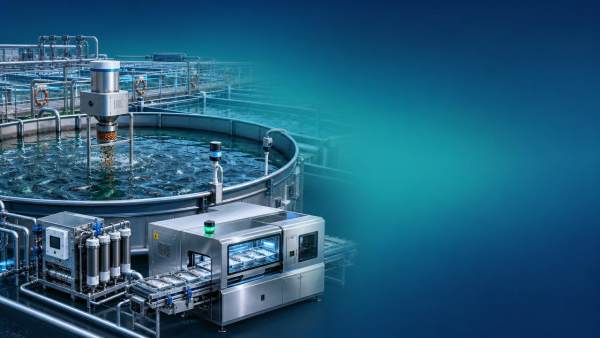
In 2026, Aquaculture & Fishery is being reshaped by smarter automation, tighter environmental standards, and more transparent global supply chains. For information-driven industry researchers, understanding these shifts is essential to evaluating technology adoption, regulatory risk, and sourcing strategies. This article explores how innovation, compliance, and market pressure are redefining Aquaculture & Fishery across production, processing, and procurement.
For B2B buyers, technical advisors, and market analysts, the sector is no longer defined only by biomass yield or catch volume. It is increasingly evaluated through 4 interconnected lenses: operational efficiency, water and emissions compliance, traceability depth, and supplier resilience across 2–3 tiers of sourcing.
That shift matters because aquaculture & fishery decisions now affect feed conversion, energy use, processing uptime, export eligibility, and reputational risk at the same time. In practical terms, a procurement team comparing aeration systems, recirculating modules, sensors, or cold-chain equipment must now assess technical fit and audit readiness together.
Why Aquaculture & Fishery Looks Different in 2026
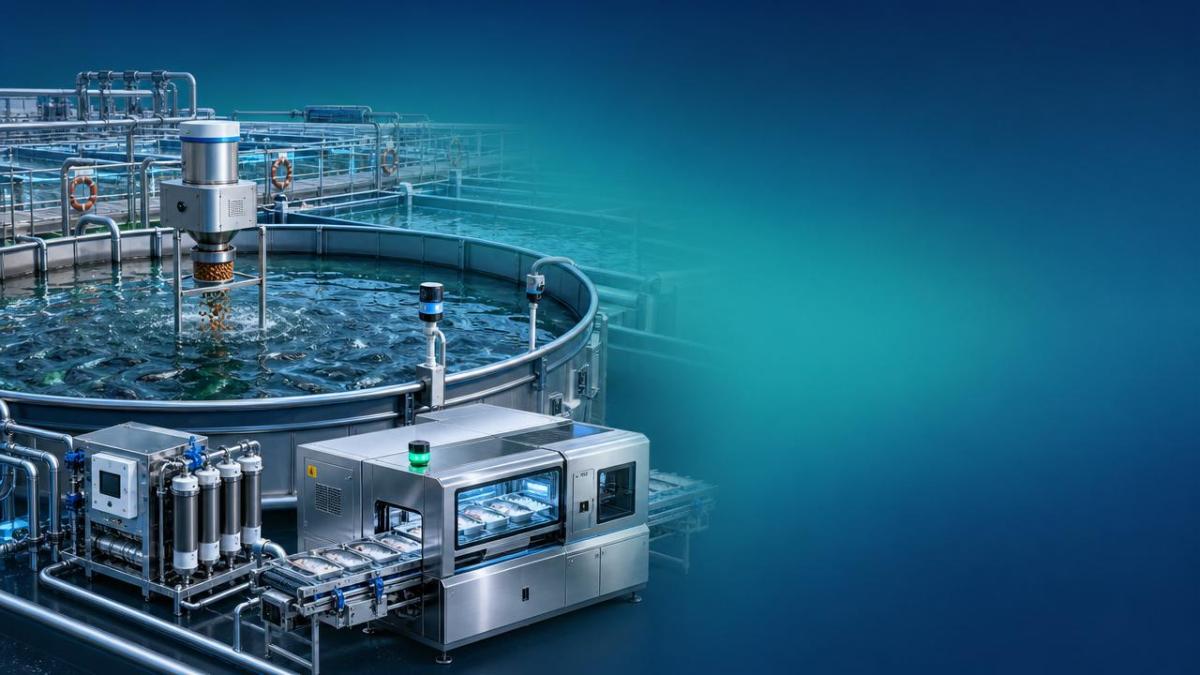
The biggest change in aquaculture & fishery is that production is becoming data-led rather than labor-led. Farms and processing operators are deploying sensors, automated feeders, dissolved oxygen monitoring, biomass estimation tools, and digital maintenance logs to reduce manual intervention and tighten response time from hours to minutes.
In many commercial systems, operators now expect core monitoring intervals of 5–15 minutes instead of 1–2 manual checks per shift. This difference can materially affect mortality control, feeding accuracy, and energy scheduling, particularly in intensive pond, cage, or RAS environments.
Automation is moving from optional to operationally necessary
Automation in aquaculture & fishery is not simply about reducing labor headcount. It is increasingly used to stabilize output under volatile input costs. Feed remains one of the largest cost drivers in intensive farming, and a 3%–8% improvement in feed management can have a larger commercial effect than a minor increase in stocking density.
Similarly, automated aeration and pumping controls help facilities avoid running equipment at full load for 24 hours when oxygen demand changes by time of day, temperature, and biomass stage. In power-sensitive regions, even a 10%–15% reduction in unnecessary runtime can improve cost predictability over a full production cycle.
Common technology layers now under review
- Water quality monitoring for dissolved oxygen, pH, temperature, ammonia, and salinity
- Automated feeding systems with programmable schedules and portion control
- Remote alerts linked to threshold breaches within 3–10 minutes
- Cold-chain monitoring for storage and transport intervals
- Digital traceability tools connecting hatchery, grow-out, harvest, and processing records
The table below outlines how common operating models in aquaculture & fishery are changing in 2026 and what researchers should watch when comparing technical solutions or vendor claims.
The key conclusion is that aquaculture & fishery assets are now judged on system integration rather than isolated performance. A feeder, blower, oxygen sensor, or chilling unit may look competitive on unit price, but weak data compatibility or slow service support can create larger losses over a 6–12 month cycle.
Environmental compliance is shaping capital decisions
Tighter environmental review is another major force. In 2026, commercial aquaculture & fishery projects are facing more scrutiny around discharge quality, antibiotic use, sludge handling, chemical storage, and energy intensity. As a result, buyers are assessing equipment not only by throughput, but by how well it supports documented compliance.
For example, a water treatment upgrade may be evaluated through 3 filters: whether it lowers nutrient discharge, whether it simplifies reporting, and whether it supports production expansion without triggering major redesign within 12–24 months. This is especially relevant for export-oriented farms and processors supplying regulated markets.
Frequent compliance pressure points
- Wastewater and solids management requirements
- Chemical and veterinary input documentation
- Temperature control and hygiene validation during processing
- Source verification for feed, juveniles, and imported components
- Emergency response planning for disease, mortality, or system failure
For researchers, this means the best aquaculture & fishery suppliers are often the ones able to provide complete documentation packages, expected maintenance windows, installation guidance, and realistic operating thresholds rather than broad efficiency claims.
How Procurement and Supply Chains Are Being Rebuilt
Procurement in aquaculture & fishery is changing because supply chains are no longer judged only on delivery speed. Buyers now need component visibility, replacement part access, quality consistency, and regulatory documentation across the full equipment or ingredient pathway.
This is particularly important where systems combine imported controls, fabricated tanks, pumps, feed delivery assemblies, filtration units, and cold-chain hardware. A delay in just 1 subsystem can extend commissioning by 2–6 weeks, affecting stocking schedules and revenue timing.
What industrial buyers now evaluate before issuing orders
In 2026, serious buyers in aquaculture & fishery tend to use a broader evaluation matrix. They are not only comparing quotation totals. They are checking expected lifespan, spare-part intervals, software compatibility, sanitation design, and the vendor’s ability to support inspection or validation requests.
A practical sourcing review usually includes 4–6 checkpoints before purchase approval. Those checkpoints help reduce hidden costs that may not appear in initial pricing but emerge in installation, calibration, training, or compliance reporting.
The following table can be used as a procurement screening framework for aquaculture & fishery equipment, systems, and processing support solutions.
This framework shows why the lowest bid is often not the safest bid. In aquaculture & fishery, a cheaper system with weak parts support or incomplete technical files can increase lifetime cost through downtime, non-compliance, or underperformance during peak demand periods.
Traceability is now a market-access tool
Traceability has moved beyond basic record keeping. In aquaculture & fishery, it now supports customer assurance, recall readiness, sustainability reporting, and export alignment. Buyers increasingly want traceable links between hatchery origin, feed batch, treatment history, harvest date, processing lot, and cold-chain transfer points.
Even where regulations do not mandate a single digital system, many institutional purchasers prefer records that can be retrieved within 24–48 hours. That requirement affects software selection, labeling methods, batch coding, and supplier onboarding standards across multiple regions.
Minimum traceability questions for researchers
- Can the supplier map materials and components back across at least 2 tiers?
- Are production and maintenance records stored in a searchable format?
- How quickly can a batch, part, or treatment event be isolated during review?
- Does the reporting structure support buyer audits and cross-border documentation?
For a publication audience like AgriChem Chronicle, this is one of the most important indicators of supplier maturity. Transparent aquaculture & fishery operations are often better positioned to serve pharmaceutical-grade ingredient users, food processors, and institutional procurement teams that demand verifiable process control.
Where Researchers Should Focus Next
For information researchers assessing aquaculture & fishery in 2026, the most useful approach is not to ask which technology is newest. The better question is which combination of systems, compliance readiness, and sourcing structure can remain stable across the next 12–36 months.
This means evaluating whether a farm, processor, or supplier can operate under tighter water rules, more complex buyer documentation, and more volatile logistics. It also means recognizing that production technology, processing hygiene, and raw-material visibility are now part of the same commercial risk model.
A practical 5-step review model
- Define the production objective: growth, survival, throughput, or export reliability.
- Map technical dependencies such as sensors, pumps, filtration, feed systems, and chilling.
- Check documentation depth for compliance, maintenance, and traceability.
- Review service risk, including replacement parts and commissioning timelines.
- Compare total operational impact over 6, 12, and 24 months, not only purchase price.
In short, aquaculture & fishery is changing through a convergence of automation, environmental pressure, and procurement discipline. The organizations likely to perform best are those that can document their systems clearly, adapt infrastructure responsibly, and support long-cycle buyers with transparent technical evidence.
AgriChem Chronicle continues to examine these transitions across primary industries with the depth needed by agronomists, compliance teams, technical buyers, and industrial operators. If you are evaluating aquaculture & fishery technologies, supply partners, or market-entry strategies, contact us to discuss your sourcing priorities, request tailored intelligence, or learn more solutions aligned with your operational goals.
Related Intelligence
- Commercial FishingWhat Should You Check in a Fishery Equipment Maintenance Contract?What should I look for in a fishery equipment maintenance contract? Explore coverage, response times, costs, records, safety, and biosecurity essentials.
- Commercial FishingDo commercial fishing vessels with hybrid diesel-electric propulsion reduce fuel cost per kg landed by more than 12%?Commercial fishing vessels with hybrid diesel-electric propulsion *can* cut fuel cost per kg landed by >12%—but only under precise operational and infrastructure conditions. Discover the real ROI.
- Commercial FishingHow to Choose Oyster Processing Equipment for Capacity, Hygiene, and Labor EfficiencyOyster processing equipment guide: compare capacity, hygienic design, and labor efficiency to build a reliable, scalable line and make smarter buying decisions.
The Morning Broadsheet
Daily chemical briefings, market shifts, and peer-reviewed summaries delivered to your terminal.
