

The Authority in Global Agricultural Chemistry & Bio-Resources
How long do marine diesel engines really last?
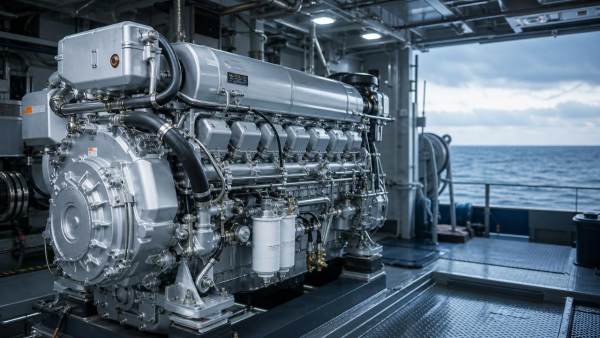
How long do marine diesel engines really last in demanding offshore conditions? For operators using marine diesel engines for fishing boats, lifespan is never a fixed number.
Service life depends on maintenance discipline, engine loading, fuel cleanliness, cooling efficiency, corrosion exposure, and the quality of installation.
In commercial fishing, engine reliability affects trip timing, catch preservation, fuel cost, and repair planning. A realistic lifespan assessment supports better operational decisions.
Typical lifespan benchmarks for marine diesel engines
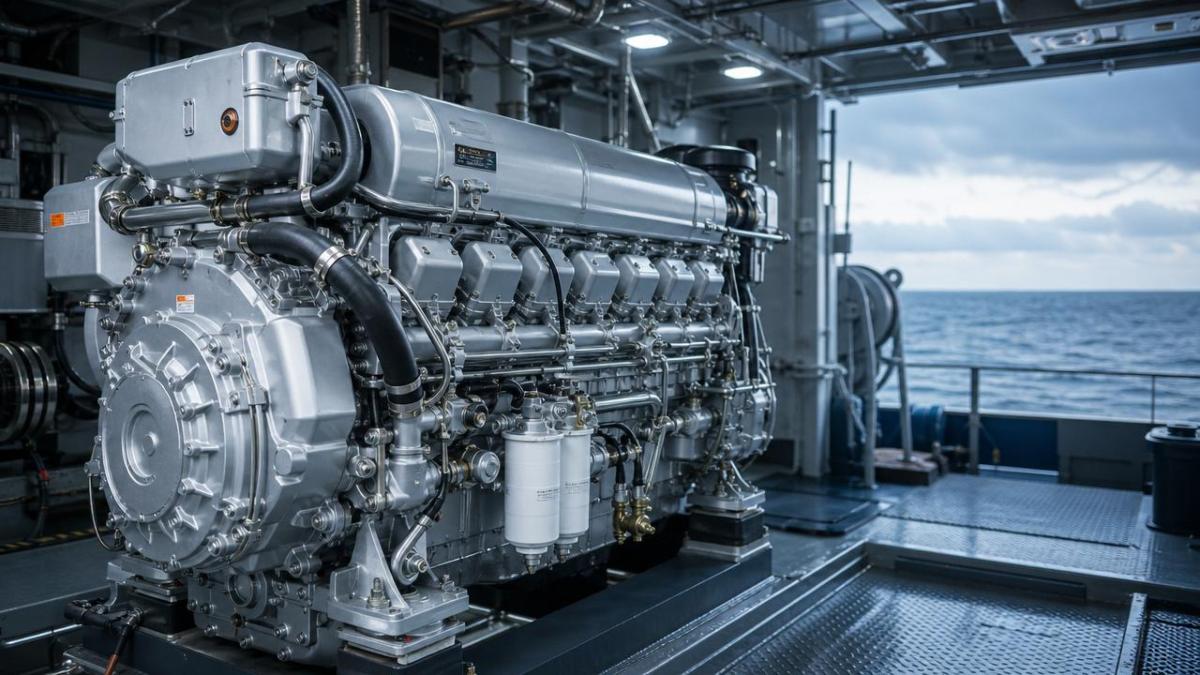
Most well-built marine diesel engines for fishing boats can last between 10,000 and 30,000 operating hours before major overhaul.
Heavy-duty commercial units, maintained correctly, may exceed 40,000 hours. Light-duty engines in harsh use may require rebuilds much earlier.
Calendar age also matters. An engine with low hours can still deteriorate from salt exposure, idle periods, contaminated fluids, and neglected cooling passages.
For marine diesel engines for fishing boats, useful life should be judged by hours, condition, emissions, oil analysis, and component wear trends together.
General operating-hour ranges
Why lifespan varies so much in fishing operations
Fishing boats create a punishing duty cycle. Engines often run long hours, face variable throttle demand, and operate in corrosive saltwater environments.
That is why two identical marine diesel engines for fishing boats can age very differently, even within the same season.
Main life-shortening factors
- Persistent overloading above recommended continuous rating
- Extended idling and low-temperature running
- Poor fuel filtration and water contamination
- Blocked heat exchangers and weak cooling flow
- Salt-induced corrosion in exhaust and cooling circuits
- Delayed oil changes or incorrect lubricant specification
- Misalignment, vibration, and propeller mismatch
Among these, improper loading is especially important. An oversized propeller can quietly force the engine into chronic overload and accelerate wear.
Core indicators used to judge engine condition
Lifespan estimates improve when condition data is tracked. Hour count alone cannot reveal internal wear, combustion quality, or cooling system health.
Useful condition signals
For marine diesel engines for fishing boats, trend monitoring often extends service life because smaller issues are corrected before they damage major components.
Industry conditions shaping engine longevity today
Current fleet operations are influenced by tighter fuel standards, rising parts costs, and stronger attention to environmental compliance.
These pressures change maintenance economics. Delayed service may save cash briefly, but often increases overhaul frequency and unscheduled downtime later.
Key operational signals
- Cleaner fuel expectations raise filtration demands
- Longer trips increase importance of cooling reliability
- Electronic diagnostics improve fault detection on newer engines
- Corrosion management remains critical on older vessels
- Lifecycle cost now matters more than only purchase price
In this context, marine diesel engines for fishing boats are evaluated less by advertised power and more by durability under real workloads.
Operational value of a longer-lasting engine
A durable engine protects much more than propulsion. It stabilizes scheduling, refrigeration continuity, crew safety, and overall fuel planning.
When marine diesel engines for fishing boats remain within healthy operating limits, vessels typically benefit in several measurable ways.
- Lower cost per operating hour
- Fewer mid-season shutdowns
- Improved fuel efficiency consistency
- Better resale or repower planning
- Reduced risk of catch loss during failures
This is especially relevant in integrated primary industries, where vessel uptime directly influences processing schedules and raw material availability.
Common fishing boat scenarios and expected wear patterns
Not all duty cycles age engines equally. Wear patterns differ by trip duration, throttle behavior, hull loading, and local water quality.
Practical steps that extend service life
Long life is usually built through routine habits rather than dramatic repairs. Preventive attention delivers the highest return.
Recommended practices
- Match propeller load to rated engine output and target RPM.
- Use clean fuel storage, water separation, and scheduled filter replacement.
- Monitor oil condition instead of relying only on fixed intervals.
- Inspect heat exchangers, raw-water pumps, and anodes regularly.
- Avoid excessive idling and run periodically at proper operating temperature.
- Record temperature, pressure, smoke, vibration, and fuel-use trends.
- Address small leaks, hose aging, and corrosion before offshore deployment.
These measures are especially effective for marine diesel engines for fishing boats exposed to repeated salt spray and seasonal workload spikes.
When overhaul, repower, or replacement becomes the better option
An aging engine is not automatically at end of life. The better question is whether restoration costs align with expected remaining service hours.
Consider major intervention when compression falls broadly, oil consumption rises sharply, overheating repeats, or metal findings increase in oil reports.
For marine diesel engines for fishing boats, the choice between overhaul and repower should include fuel efficiency, compliance needs, parts access, and vessel downtime.
A practical next step for evaluating engine life
Start with a simple lifecycle review: operating hours, service records, fuel system condition, cooling performance, and current load profile.
Then compare actual engine behavior with rated specifications and trend data. This approach gives a more accurate picture than hour estimates alone.
In most cases, marine diesel engines for fishing boats last longest when maintenance records, corrosion control, and load management are treated as one system.
A disciplined review today can reduce breakdown risk tomorrow, preserve vessel productivity, and support better long-term investment decisions.
Related Intelligence
- Commercial FishingWhat Should You Check in a Fishery Equipment Maintenance Contract?What should I look for in a fishery equipment maintenance contract? Explore coverage, response times, costs, records, safety, and biosecurity essentials.
- Commercial FishingDo commercial fishing vessels with hybrid diesel-electric propulsion reduce fuel cost per kg landed by more than 12%?Commercial fishing vessels with hybrid diesel-electric propulsion *can* cut fuel cost per kg landed by >12%—but only under precise operational and infrastructure conditions. Discover the real ROI.
- Commercial FishingHow to Choose Oyster Processing Equipment for Capacity, Hygiene, and Labor EfficiencyOyster processing equipment guide: compare capacity, hygienic design, and labor efficiency to build a reliable, scalable line and make smarter buying decisions.
The Morning Broadsheet
Daily chemical briefings, market shifts, and peer-reviewed summaries delivered to your terminal.
