

The Authority in Global Agricultural Chemistry & Bio-Resources
Commercial fishing winches that fail less offshore
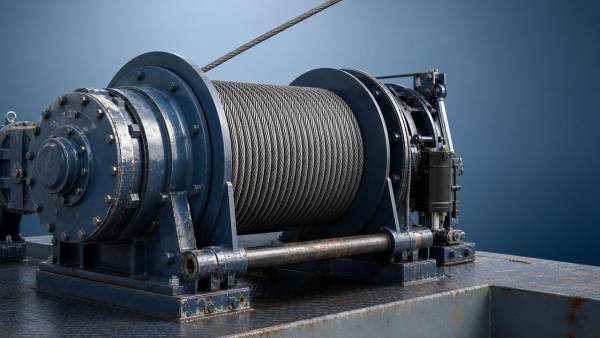
Offshore breakdowns cost time, catch, and crew confidence. For after-sales maintenance teams, commercial fishing winches that fail less offshore are not just a sales claim but a service benchmark built on load control, corrosion resistance, sealing integrity, and disciplined upkeep. This article explains the design choices, inspection points, and service routines that most directly improve reliability in rough marine duty.
Why a checklist matters for commercial fishing winches offshore
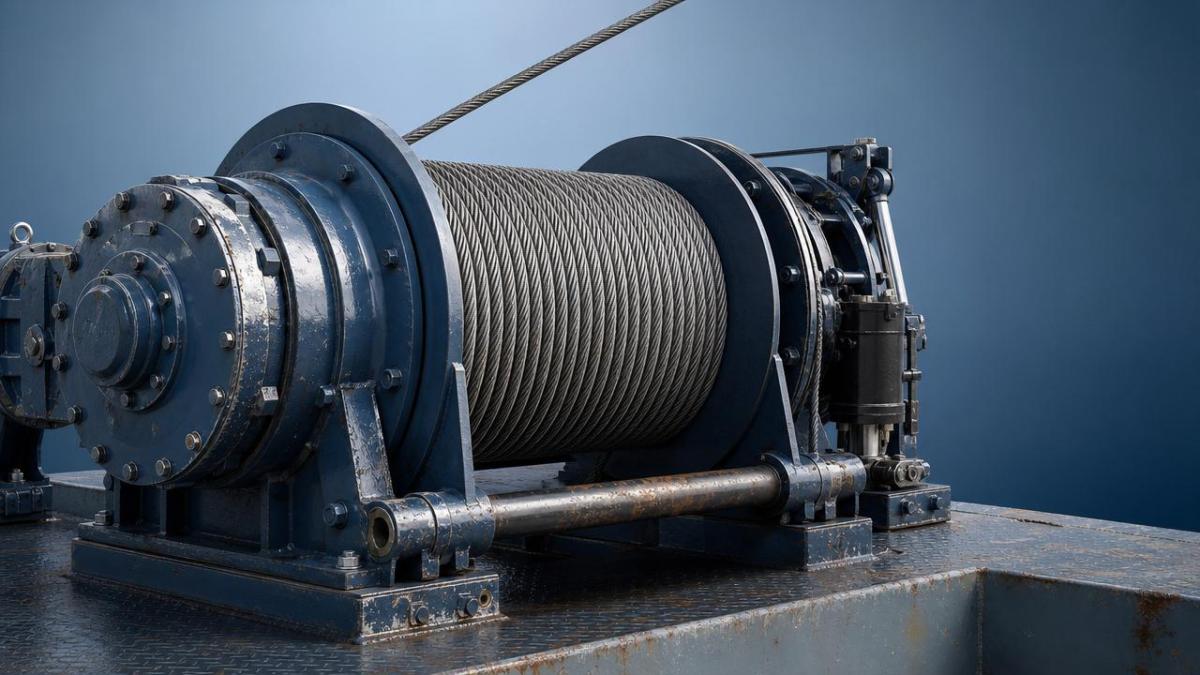
Commercial fishing winches operate under shock loads, salt spray, cyclic duty, and long maintenance intervals. Failure rarely comes from one dramatic defect alone. It usually develops through small issues that combine offshore.
A checklist turns reliability into a repeatable process. It helps separate durable commercial fishing winches from units that only look robust on paper, especially when service access is limited at sea.
It also improves consistency between installation, inspection, and repair. The same checklist can support acceptance testing, preventive maintenance planning, spare parts selection, and root-cause review after a stoppage.
Core checklist for commercial fishing winches that fail less offshore
- Verify rated line pull, drum capacity, and duty cycle against actual fishing loads, not catalog averages, so the winch avoids chronic overload and heat buildup.
- Check brake holding capacity under wet conditions and dynamic stopping events, because offshore failures often begin when braking margins shrink after wear or contamination.
- Inspect gearbox design for shock resistance, bearing support, and oil retention, since gear pitting and bearing fatigue increase quickly during repeated hauling cycles.
- Confirm motor protection, whether hydraulic or electric, with stable pressure control, thermal protection, and clean power delivery to reduce stalls and seal damage.
- Examine sealing at shafts, covers, connectors, and inspection ports, because saltwater ingress into commercial fishing winches is a leading cause of hidden internal failure.
- Review corrosion strategy across frame, fasteners, drum, and exposed fittings, including coatings, stainless selection, and galvanic isolation between dissimilar metals.
- Measure rope spooling geometry, fleet angle, and fairlead alignment so side loading does not damage flanges, bearings, or wire rope under heavy retrieval.
- Test load control response at low speed and high torque, where jerking, chatter, or delayed braking can overstress both gear trains and deck structures.
- Inspect lubrication points, oil sampling access, and grease purge paths, because difficult servicing leads to skipped maintenance and shorter offshore operating life.
- Validate sensor quality for pressure, temperature, speed, and overload alarms if fitted, since early warning is essential for commercial fishing winches in continuous duty.
- Confirm spare parts availability for seals, brake linings, bearings, valves, and controls, because long replacement delays turn small faults into major downtime events.
- Document commissioning values such as brake torque, hydraulic pressure, motor current, and drum runout to create a baseline for later offshore troubleshooting.
Design details that usually separate reliable units from failure-prone ones
Reliable commercial fishing winches usually show strength in unglamorous details. Shaft finishes matter. Seal lip materials matter. Drain paths, inspection covers, and hose routing matter even more offshore.
A winch can have high rated pull yet still fail early if the brake overheats, the drum support flexes, or the gearbox breathes moist air. Reliability is system balance, not only maximum force.
Application notes for different operating scenarios
Trawl and purse seine operations
These operations expose commercial fishing winches to frequent starts, shock recovery, and uneven line behavior. Brake modulation and drum structure become more important than peak pull alone.
Hydraulic pressure spikes should be monitored closely. If line tension rises suddenly during hauling, weak hose assemblies, poor valve tuning, or contaminated fluid can trigger cascading failures.
Longline and pot retrieval systems
Long, repetitive duty favors commercial fishing winches with predictable thermal behavior and stable low-speed control. Small alignment errors become severe after thousands of cycles in corrosive spray.
For these setups, focus on bearing temperature trend, rope tracking, and seal life. Low-speed chatter is an early warning that should never be ignored.
Cold water and remote offshore routes
In colder waters, lubricant viscosity, hose flexibility, and seal elasticity can shift outside expected ranges. Commercial fishing winches must be specified for startup performance, not only warm running conditions.
Remote routes also demand maintainability. Clear access to filters, drains, breathers, and brake adjustments reduces repair time when weather windows are short.
Commonly overlooked failure points
Breathers and pressure equalization
A poorly placed breather can pull moist air into housings during cooling. That moisture later becomes corrosion, degraded oil, and bearing distress inside commercial fishing winches.
Fastener relaxation and mount movement
Repeated load reversals can loosen mounts and shift alignment. Once the base moves, side loading increases across shafts, bearings, and drum supports, accelerating wear.
Contaminated hydraulic fluid or electrical connectors
Fluid cleanliness and connector sealing are often treated as secondary details. Offshore, they directly affect control stability, thermal stress, and unexpected stoppages under load.
Improper rope replacement practices
Changing rope diameter, construction, or lay without checking drum compatibility can alter spooling pressure and braking behavior. The winch may become less reliable even after a routine replacement.
Practical execution steps for maintenance teams
- Set a baseline after installation using brake values, pressure readings, amperage, oil condition, and bearing temperatures during a controlled load test.
- Schedule short, frequent inspections offshore, focusing on leaks, abnormal sound, hot spots, corrosion bloom, loose mounts, and irregular rope tracking.
- Use trend monitoring rather than pass or fail only. Small changes in heat, noise, or pressure often predict future commercial fishing winch failure.
- Standardize parts kits with seals, filters, brake components, fasteners, and approved lubricants so urgent repairs do not rely on improvised substitutions.
- Record every adjustment and replacement, including rope changes and fluid top-ups, because undocumented service history weakens later fault diagnosis.
A simple service rhythm that works
Before departure, inspect brakes, leaks, rope path, mounts, and controls. During operation, track heat, noise, and responsiveness. After return, wash down correctly, resample fluids, and recheck corrosion-prone points.
This rhythm keeps commercial fishing winches from drifting into failure between major service intervals. It also creates evidence for better warranty review and technical refinement.
Conclusion and next action
Commercial fishing winches that fail less offshore are built and maintained through disciplined attention to load control, sealing, corrosion protection, alignment, lubrication, and traceable service records. No single feature guarantees reliability at sea.
Start with one practical step: convert the checklist above into an inspection sheet linked to commissioning data and spare parts records. That approach makes commercial fishing winches easier to compare, maintain, and trust offshore.
Related Intelligence
- Commercial FishingWhat Should You Check in a Fishery Equipment Maintenance Contract?What should I look for in a fishery equipment maintenance contract? Explore coverage, response times, costs, records, safety, and biosecurity essentials.
- Commercial FishingDo commercial fishing vessels with hybrid diesel-electric propulsion reduce fuel cost per kg landed by more than 12%?Commercial fishing vessels with hybrid diesel-electric propulsion *can* cut fuel cost per kg landed by >12%—but only under precise operational and infrastructure conditions. Discover the real ROI.
- Commercial FishingHow to Choose Oyster Processing Equipment for Capacity, Hygiene, and Labor EfficiencyOyster processing equipment guide: compare capacity, hygienic design, and labor efficiency to build a reliable, scalable line and make smarter buying decisions.
The Morning Broadsheet
Daily chemical briefings, market shifts, and peer-reviewed summaries delivered to your terminal.
