

The Authority in Global Agricultural Chemistry & Bio-Resources
What to check before buying feed grain equipment
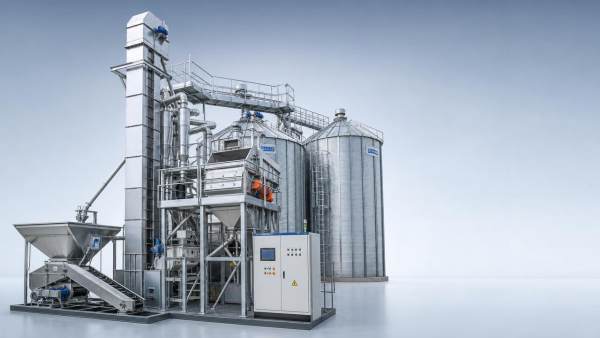
Investing in Feed & Grain processing equipment is a high-stakes decision for projects that must balance throughput, safety, compliance, and lifecycle cost. Before selecting any system, it is vital to verify capacity fit, raw material compatibility, control architecture, energy use, service access, and regulatory readiness. A disciplined review of Feed & Grain processing equipment at the planning stage can reduce downtime risk, avoid redesign expense, and improve long-term operational value.
When the operating scenario changes, what should be checked first?
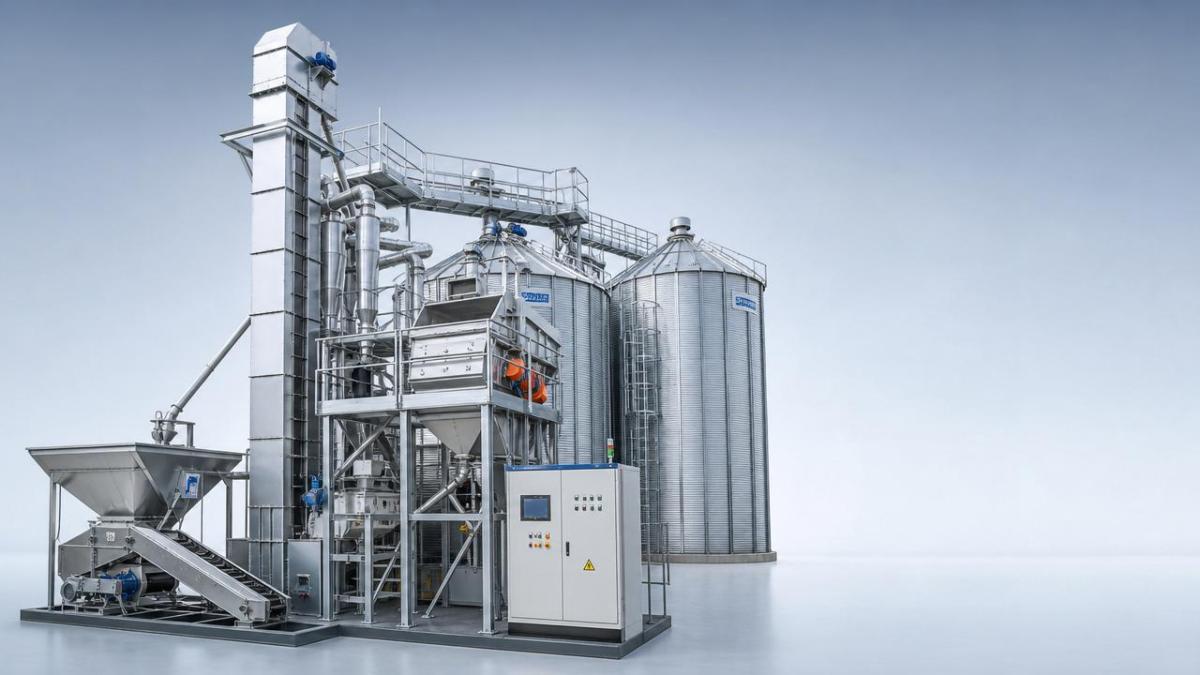
Not every plant needs the same Feed & Grain processing equipment configuration. Site conditions, product targets, and expansion plans shape the right buying decision.
A compact feed mill, a bulk grain handling terminal, and a mixed-use processing line face different operating pressures. Capacity alone never tells the full story.
The first check is whether the system matches the production scenario. This includes input material variability, shift pattern, utility stability, and cleaning frequency.
Feed & Grain processing equipment should be assessed against the actual duty cycle, not ideal laboratory conditions or peak brochure performance.
Scenario signals that affect equipment choice
- Moisture variation in incoming grain
- Frequent recipe changes in feed formulation
- Need for dust control near enclosed handling zones
- Limited electrical load or unstable utilities
- Future need for modular line expansion
In bulk grain intake and storage projects, where do buying mistakes happen?
For receiving, conveying, cleaning, and storing grain, the biggest error is underestimating flow variability. Peak intake windows often exceed average design assumptions.
Feed & Grain processing equipment in this scenario must handle surge loading without excessive carryback, spillage, or bottlenecks at transfer points.
Check conveyor type, elevator speed, cleaner sizing, aspiration performance, and the structural durability of wear-prone sections. Abrasion matters more than catalog polish.
Material sampling points also deserve attention. If incoming lots vary in contamination or moisture, weak sampling design can damage downstream quality control.
Critical checks for grain intake systems
- Rated throughput versus real peak unloading demand
- Dust collection integration and explosion protection design
- Screening efficiency for stones, fines, and foreign matter
- Access for belt alignment, chain tensioning, and inspection
- Corrosion protection in humid or coastal environments
In feed production lines, which checks protect product quality?
In feed manufacturing, formulation consistency and contamination control are central. Feed & Grain processing equipment must support accurate dosing, mixing, grinding, and pellet stability.
Hammer mills, mixers, conditioners, pellet mills, coolers, and sifters should be reviewed as one connected process, not separate machines.
A high-capacity grinder can create imbalance if the mixer residence time or pellet mill conditioning stage cannot keep up with the particle profile.
Check whether the Feed & Grain processing equipment supports traceability, batch repeatability, and effective cleanout between formulations containing sensitive additives.
Quality-focused questions before purchase
- Can the system achieve the target particle size distribution?
- How precise are micro-ingredient dosing and batch control?
- Is there enough cleanout access to reduce cross-contact?
- Do conditioner and pellet mill settings support recipe flexibility?
- Can operators verify process deviations in real time?
For integrated processing sites, how do utility and automation needs differ?
Some facilities combine grain handling, drying, feed processing, packing, and dispatch. In these integrated sites, automation architecture becomes a major buying checkpoint.
Feed & Grain processing equipment should communicate across scales, motors, temperature sensors, level probes, and safety interlocks through a clear control logic.
It is important to verify PLC compatibility, data logging depth, remote diagnostics, alarm hierarchy, and spare parts availability for control components.
Energy demand must also be checked under full-load and partial-load conditions. Oversized systems often waste power during normal operation.
Automation and utilities review points
- Confirm motor efficiency ratings and variable frequency drive strategy.
- Check compressed air quality and demand for pneumatic devices.
- Review steam, gas, or thermal oil needs for conditioning and drying.
- Validate SCADA visibility for critical quality and safety parameters.
- Assess backup plans for sensor failure and communication loss.
How do different application scenarios change equipment priorities?
The same Feed & Grain processing equipment category can require different specifications depending on the operating scenario. A comparison table helps clarify the differences.
What practical checks improve scenario fit before ordering?
A short list of structured checks can greatly improve the selection of Feed & Grain processing equipment across different project conditions.
- Request performance data based on comparable raw materials, not generic test runs.
- Map the full process from intake to dispatch before approving machine sizes.
- Review maintenance tasks by frequency, tools required, and shutdown duration.
- Confirm wear parts lead time and local technical support coverage.
- Check compliance with dust, noise, guarding, and electrical safety requirements.
- Ask for utility consumption ranges under expected seasonal operating conditions.
- Review layout drawings for operator movement, forklift paths, and service clearances.
Which compliance and maintenance issues are often overlooked?
Many projects focus heavily on output and price but neglect inspection access, sanitation design, and documentation quality. These oversights create long-term operating pain.
Feed & Grain processing equipment should come with clear manuals, electrical schematics, spare lists, and preventive maintenance schedules that fit the installed configuration.
Dust explosion risk is another frequent blind spot. Enclosures, venting, grounding, spark detection, and housekeeping design need careful review.
If the line handles medicated or specialty formulations, sanitation changeover and traceability controls deserve even stricter evaluation.
Common misjudgments before buying
- Choosing by nameplate capacity without process balance verification
- Ignoring maintenance access around drives, bearings, and screens
- Treating automation as optional in complex multi-step lines
- Underestimating local code, emissions, or food and feed safety obligations
- Assuming all Feed & Grain processing equipment performs equally with variable raw material quality
What should the next step look like before final approval?
Before signing, convert technical discussion into a decision checklist. Compare each Feed & Grain processing equipment option against the intended operating scenario, not just capital cost.
Document expected throughput, target product quality, utility limits, compliance needs, maintenance intervals, and future expansion assumptions. Then validate them against supplier evidence.
A site-specific review of layout, controls, wear exposure, and serviceability often reveals whether a promising design will perform reliably in daily operation.
Well-selected Feed & Grain processing equipment should deliver stable output, manageable maintenance, regulatory confidence, and room for operational upgrades over time.
For deeper technical evaluation, build a comparison matrix, request operating references, and test every major assumption before purchase. That is where durable value begins.
Related Intelligence
- Milling MachineryCan Agricultural Scientists Validate Grain Processing Machinery?Can agricultural scientists validate process machinery performance? Discover how grain equipment testing verifies throughput, quality, and efficiency before you invest.
- Milling MachineryGrain Processing Explained: From Cleaning and Milling to Finished Product QualityGrain Processing explained: discover how cleaning, conditioning, milling, and quality control turn raw grain into safe, consistent flour, feed, and food ingredients.
- Milling MachineryGerman Grain Processing Plants: Evaluating Automation and Energy-Efficiency UpgradesGrain processing Germany: evaluate automation and energy-efficiency upgrades to improve throughput, quality, safety, and lifecycle value.
The Morning Broadsheet
Daily chemical briefings, market shifts, and peer-reviewed summaries delivered to your terminal.
