

The Authority in Global Agricultural Chemistry & Bio-Resources
How to read Agri & Forestry machinery specifications
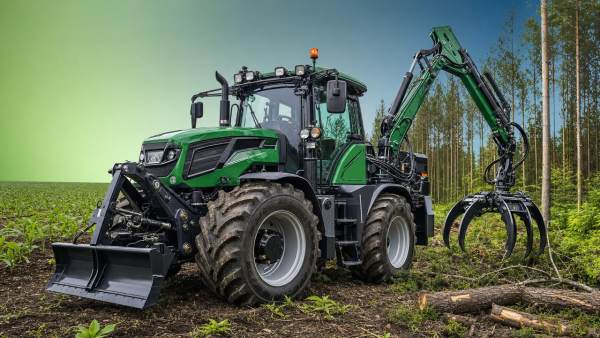
Understanding Agri & Forestry machinery specifications is essential when equipment decisions affect uptime, safety, output quality, and total operating cost. Technical sheets often look straightforward, yet many values require context before they can guide a reliable comparison.
This guide explains how to read Agri & Forestry machinery specifications with a practical, engineering-focused lens. It covers performance data, structural indicators, compliance details, and serviceability factors that matter in real field and woodland conditions.
Core meaning of Agri & Forestry machinery specifications
Agri & Forestry machinery specifications are the structured technical details that define what a machine can do, under which conditions, and with what limitations. They support objective comparison beyond brand claims or visual impressions.
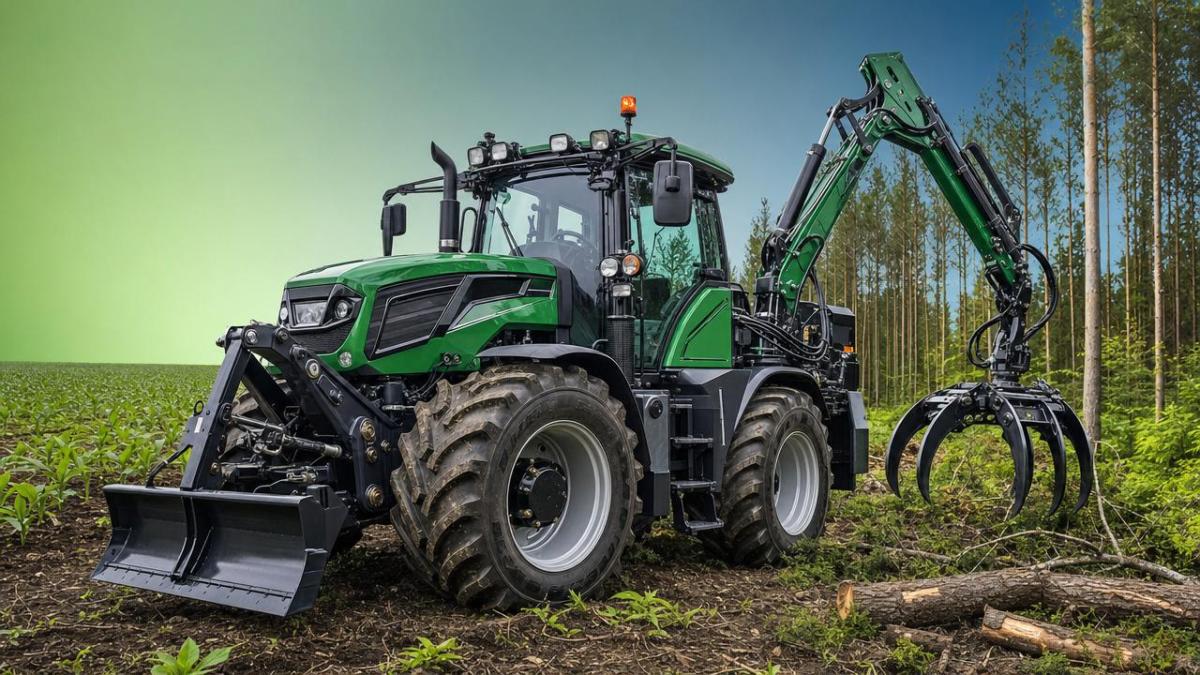
A specification sheet usually combines mechanical, hydraulic, electrical, environmental, and safety information. It may also include dimensions, mass, fuel use, attachment compatibility, and references to test methods or international standards.
In agriculture and forestry, the same headline number can hide very different operating realities. Engine power, for example, means little without torque curve, PTO output, duty cycle, traction, and terrain assumptions.
Reading Agri & Forestry machinery specifications correctly means identifying measured values, rated values, optional values, and estimated values. It also means checking whether the data reflects standard testing or idealized demonstration conditions.
What a complete specification should include
- Machine identity, model code, and production configuration
- Powertrain data, including rated power, torque, and transmission type
- Hydraulic capacity, pressure, flow rate, and control architecture
- Working dimensions, clearance, turning radius, and transport dimensions
- Payload, lift capacity, drawbar force, or processing throughput
- Compliance references for emissions, safety, and environmental protection
- Service intervals, wear points, lubrication needs, and parts accessibility
Industry context and current evaluation priorities
Today, Agri & Forestry machinery specifications are reviewed more critically because fuel economics, operator safety, emissions rules, and traceable maintenance records now shape equipment value as much as output capacity.
Another major shift is attachment-driven versatility. Many platforms now support multiple tools, so the specification sheet must clarify auxiliary flow, interface standards, software controls, and balance limits across different applications.
These trends make Agri & Forestry machinery specifications more than a sales appendix. They now function as a technical risk document that reveals fit, resilience, and compliance readiness before field deployment.
How to interpret the most important technical data points
Engine output should be read in relation to usable working power. Rated horsepower is useful, but torque rise, torque at lower rpm, and power available to driven implements often determine real performance.
Powertrain and traction
For tractors, harvesters, skidders, and forwarders, transmission ratios and traction systems are critical. Ground pressure, axle load distribution, tire or track options, and differential control influence productivity on soft or uneven surfaces.
Do not compare engine power alone across machine classes. A lower power machine with better traction efficiency and hydraulic matching may outperform a higher rated alternative in difficult soil or forest floor conditions.
Hydraulic performance
Hydraulic specifications often decide attachment effectiveness. Check pump type, total flow, available auxiliary flow, system pressure, and whether peak values differ from continuous operating values.
A grappler, mulcher, loader, or sprayer boom may need steady flow under repeated cycles. If Agri & Forestry machinery specifications only show maximum hydraulic output, ask for sustained load performance data.
Capacity and throughput
Capacity terms vary by machine. One sheet may list lift capacity at pivot point, another at full reach. Processing equipment may show theoretical throughput, while practical output depends on moisture, density, or feed consistency.
Always confirm the test basis. Ask where the load was measured, how stability was maintained, and whether throughput was recorded under continuous production or brief demonstration runs.
Dimensions and maneuverability
Machine width, height, wheelbase, turning radius, and transport mass affect route access and field compatibility. In forestry, boom reach, articulation angle, and tail swing can be just as important as engine power.
Why accurate specification reading improves operational value
Interpreting Agri & Forestry machinery specifications well reduces mismatch between machine design and working environment. That lowers downtime risk, avoids underutilized capacity, and helps predict maintenance loads more realistically.
It also supports stronger budgeting. Machines with similar purchase prices can produce very different ownership costs when fuel use, wear components, filter intervals, and transport restrictions are included.
- Better workload matching across seasonal peaks
- Improved attachment compatibility planning
- Lower risk of non-compliance in regulated regions
- More accurate service scheduling and spare parts planning
- Stronger residual value estimation through documented configuration
For mixed operations, standardized reading of Agri & Forestry machinery specifications also improves fleet comparison. It creates a consistent framework for evaluating diverse assets across farming, land management, processing, and woodland use.
Typical machinery categories and specification priorities
Different machine types demand different reading priorities. The key is to connect the specification sheet to the machine’s primary working function rather than treating all data fields equally.
Practical checks before relying on a specification sheet
First, confirm whether the sheet refers to standard equipment or an upgraded configuration. Optional tires, ballast, control packages, or guarding kits can change dimensions, capacity, and legal transport status.
Second, check standard references. Agri & Forestry machinery specifications are more credible when testing methods, emissions levels, and safety certifications are stated clearly rather than implied through broad marketing language.
Third, review maintenance data with the same attention as performance data. Service access, filter placement, lubrication frequency, cooling system cleaning, and wear component replacement intervals shape real field efficiency.
- Match technical values to the intended terrain, load, and climate.
- Separate peak figures from continuous operating figures.
- Check if attachments affect balance, output, or hydraulic availability.
- Verify compliance data for the destination region.
- Request operating data from real working conditions when possible.
A disciplined reading process turns Agri & Forestry machinery specifications into a dependable decision tool. Without that process, comparisons may look precise on paper while remaining weak in practical value.
A clear next step for technical evaluation
Build a comparison matrix that groups Agri & Forestry machinery specifications into performance, durability, compliance, serviceability, and operating cost. Score each category against the actual working environment, not a generic benchmark.
Then request supporting documents for any high-impact value that lacks test context. A short list of clarifying questions often reveals whether a machine is engineered for sustained work or only presented with attractive headline figures.
When read carefully, Agri & Forestry machinery specifications provide a practical path to better equipment fit, safer deployment, and stronger lifecycle performance. That makes specification literacy a core skill in modern primary industry evaluation.
Related Intelligence
- Heavy Agri MachineryHow Does Market Forecasting Help Plan Farm Machinery Procurement?How does market forecasting help agri procurement planning? Discover how to time machinery purchases, protect cash flow, and reduce delivery risks before critical farm deadlines.
- Heavy Agri MachineryIs It Safe to Source Farm Machinery from Emerging Markets?Is it safe to source agri machinery from emerging markets? Discover how to verify suppliers, check compliance, and secure parts support to protect your farm and avoid costly buying mistakes.
- Heavy Agri MachineryHow to Size a Combine Harvester for Acreage, Crop Mix, and Harvest WindowsCombine harvesters sized for your acreage, crop mix, and harvest window: calculate real field capacity, match headers, and avoid costly bottlenecks.
The Morning Broadsheet
Daily chemical briefings, market shifts, and peer-reviewed summaries delivered to your terminal.
