

The Authority in Global Agricultural Chemistry & Bio-Resources
How to shortlist Agri & Forestry machinery manufacturers
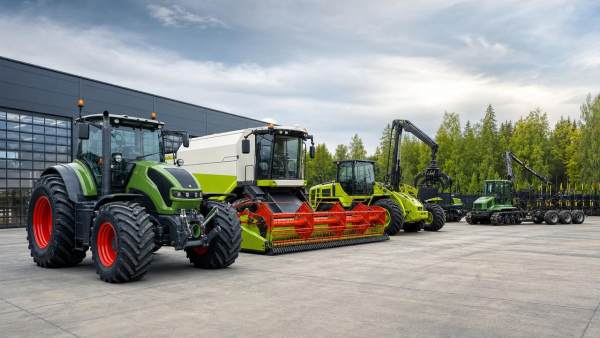
Shortlisting Agri & Forestry machinery manufacturers is a high-stakes task for projects that depend on uptime, operator safety, field performance, and reliable parts support. In primary industry settings, a supplier must provide more than a machine specification sheet. The right source should demonstrate engineering depth, documented compliance, stable production capacity, and service responsiveness across the full equipment lifecycle.
This guide explains how to evaluate Agri & Forestry machinery manufacturers through a practical checklist. The goal is simple: reduce procurement risk, compare suppliers on evidence rather than claims, and create a shortlist that supports confident technical and commercial decisions.
Why a checklist matters when comparing Agri & Forestry machinery manufacturers
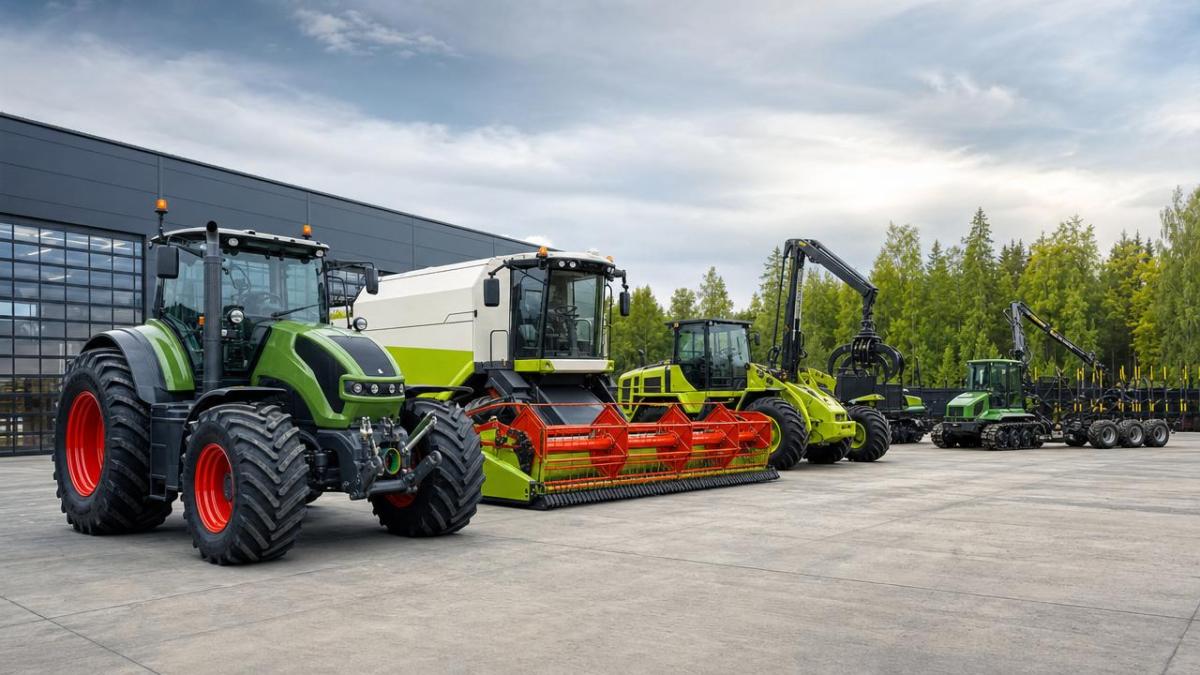
Agricultural and forestry equipment purchases often involve long service lives, harsh operating environments, and strict safety expectations. A weak supplier choice can lead to downtime, spare-part delays, poor fuel efficiency, or non-compliant systems in regulated markets.
A checklist creates discipline. It keeps the review focused on measurable factors such as testing standards, fabrication quality, hydraulic performance, emissions compliance, and dealer network strength. It also makes cross-border supplier comparisons more consistent.
For complex sourcing, the best Agri & Forestry machinery manufacturers usually stand out through transparent documentation, repeatable manufacturing controls, and a clear commitment to after-sales execution.
Core shortlist checklist for Agri & Forestry machinery manufacturers
- Verify legal identity, export history, and factory ownership before technical review begins, so the shortlist excludes traders, unstable entities, and suppliers without proven industrial delivery records.
- Check product scope in detail, including tractors, harvesters, chippers, sprayers, loaders, trailers, and attachments, to confirm the manufacturer truly fits the intended field or forestry application.
- Request certifications and conformity files, including CE documentation, ISO systems, emissions approvals, safety testing records, and market-specific declarations required for destination-country import or operation.
- Assess engineering capability by reviewing drawings, BOM control, hydraulic schematics, drivetrain integration, materials selection, and evidence of design validation under realistic operating loads.
- Inspect production capability through welding quality, machining tolerance control, paint line consistency, assembly flow, and end-of-line testing that reduces variation between delivered units.
- Compare critical component sourcing for engines, transmissions, pumps, bearings, electronics, and control systems, because reputable upstream brands often improve reliability and serviceability.
- Review field performance data, duty-cycle references, and maintenance intervals to understand whether machines are designed for commercial intensity rather than light or occasional use.
- Audit quality assurance methods, including incoming inspection, weld traceability, torque verification, leak testing, and corrective action processes for recurring defects or warranty incidents.
- Measure after-sales support by checking spare-parts lead times, technical manuals, remote diagnostics, training materials, and service escalation procedures for urgent equipment failures.
- Test communication quality during quoting, because responsive, technically precise answers often predict smoother order execution, commissioning support, and post-delivery problem solving.
- Review commercial stability through payment terms, warranty scope, Incoterms, packaging standards, and historical shipment consistency, especially when equipment is oversized or seasonally critical.
- Score each candidate using weighted criteria, so price does not outweigh lifecycle value, compliance confidence, operator safety, and long-term availability of replacement parts.
What strong evidence looks like
Strong Agri & Forestry machinery manufacturers usually provide factory audit access, serial-number traceability, test reports, and reference installations in similar operating environments. They can explain design decisions clearly and share realistic maintenance expectations.
Weak candidates often rely on broad claims, recycled brochures, or incomplete compliance files. If answers stay vague around component brands, service inventory, or production controls, the shortlist should be tightened quickly.
How shortlist criteria change by application scenario
Row-crop and broadacre farming
For broadacre operations, focus on fuel efficiency, implement compatibility, precision guidance integration, and uptime during compressed seasonal windows. Delays in planting or harvesting can create losses that exceed any initial purchase savings.
In this scenario, the best Agri & Forestry machinery manufacturers show proven reliability in engines, transmissions, and electronics, plus local access to wear parts, filters, and field service technicians.
Forestry extraction and wood handling
Forestry equipment faces shock loads, debris exposure, steep terrain, and long operating hours. Review frame strength, guarding, hydraulic hose routing, boom geometry, and cab protection with extra scrutiny.
Shortlisting Agri & Forestry machinery manufacturers for forestry use should also include parts stocking for grapples, cutting heads, undercarriage components, and high-pressure hydraulic systems.
Municipal land management and mixed fleets
Mixed-use fleets require versatility, simple operator training, and strong safety documentation. Attachments, quick-coupler compatibility, and maintenance accessibility become more important than maximum machine output.
Here, compare Agri & Forestry machinery manufacturers on ergonomic controls, multilingual manuals, standardized service intervals, and the ability to support several machine types under one vendor relationship.
Commonly missed issues when reviewing Agri & Forestry machinery manufacturers
Assuming certification equals full market readiness
A certificate alone may not cover the exact machine configuration, destination market, or installed engine variant. Always match compliance documents to the quoted model and final specification.
Ignoring parts logistics until after order placement
Even capable Agri & Forestry machinery manufacturers can become risky if parts supply depends on long import cycles or single-source subcomponents. Ask for stock lists, emergency lead times, and recommended critical spares.
Overvaluing low unit price
The lowest quotation may hide weaker metallurgy, lower-spec hydraulic components, shorter paint durability, or limited warranty coverage. Lifecycle cost should include service hours, consumables, downtime exposure, and residual value.
Skipping factory verification
Photos and catalogs rarely show process discipline. A virtual or physical audit can reveal whether the supplier controls welding procedures, test benches, assembly sequencing, and final inspection effectively.
Failing to test support responsiveness
Before final shortlisting, send technical questions, parts requests, and documentation queries. Response quality often reveals how the supplier will behave during breakdowns, claims, or commissioning delays.
Practical execution steps for a cleaner shortlist
- Build a comparison matrix with weighted categories for compliance, engineering, production, service, cost, and delivery reliability.
- Limit the first round to five or six candidates to keep technical review deep and manageable.
- Request the same data package from every supplier, including drawings, certifications, warranty terms, and lead times.
- Use a red-flag list for missing documents, conflicting specifications, poor traceability, or unrealistic performance claims.
- Conduct reference checks with users operating similar terrain, workload, and seasonal intensity.
- Reduce the final shortlist to two or three Agri & Forestry machinery manufacturers for audit, negotiation, and pilot evaluation.
Where possible, include a pilot machine review or supervised demonstration. Real operating conditions often expose issues that remain invisible in brochures, especially around control response, visibility, vibration, and attachment compatibility.
Final takeaway and next action
A reliable shortlist is built on evidence, not brand familiarity alone. The strongest Agri & Forestry machinery manufacturers combine sound engineering, compliant production, dependable parts support, and clear communication throughout the buying cycle.
Start with a structured checklist, apply weighted scoring, and verify every critical claim with documents, references, and factory-level review. That approach creates a defensible shortlist and improves the odds of long-term equipment performance.
As a next step, prepare a standardized supplier questionnaire and gather responses from a controlled list of candidates. Once the data is normalized, the best-fit Agri & Forestry machinery manufacturers will become much easier to identify.
Related Intelligence
- Heavy Agri MachineryHow Does Market Forecasting Help Plan Farm Machinery Procurement?How does market forecasting help agri procurement planning? Discover how to time machinery purchases, protect cash flow, and reduce delivery risks before critical farm deadlines.
- Heavy Agri MachineryIs It Safe to Source Farm Machinery from Emerging Markets?Is it safe to source agri machinery from emerging markets? Discover how to verify suppliers, check compliance, and secure parts support to protect your farm and avoid costly buying mistakes.
- Heavy Agri MachineryHow to Size a Combine Harvester for Acreage, Crop Mix, and Harvest WindowsCombine harvesters sized for your acreage, crop mix, and harvest window: calculate real field capacity, match headers, and avoid costly bottlenecks.
The Morning Broadsheet
Daily chemical briefings, market shifts, and peer-reviewed summaries delivered to your terminal.
