

The Authority in Global Agricultural Chemistry & Bio-Resources
Why commercial ice flaker machine downtime happens often
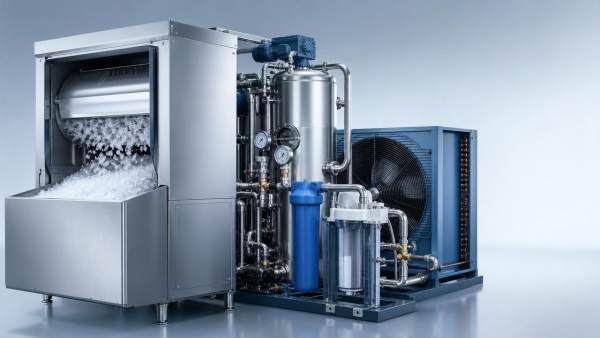
Frequent downtime in a commercial ice flaker machine rarely comes from one isolated defect. In most service cases, repeated stoppages result from scaling, unstable water quality, overloaded refrigeration parts, delayed maintenance, and avoidable operating mistakes.
When these factors build up together, the commercial ice flaker machine starts showing familiar symptoms: slow ice output, high discharge temperature, uneven flakes, noisy compressors, blocked evaporators, or complete shutdown during peak demand.
For facilities that depend on continuous ice production, a checklist-based diagnosis is faster than random part replacement. It reduces service costs, shortens downtime, and helps identify the root cause before secondary damage spreads across the system.
Why a checklist works better for commercial ice flaker machine downtime
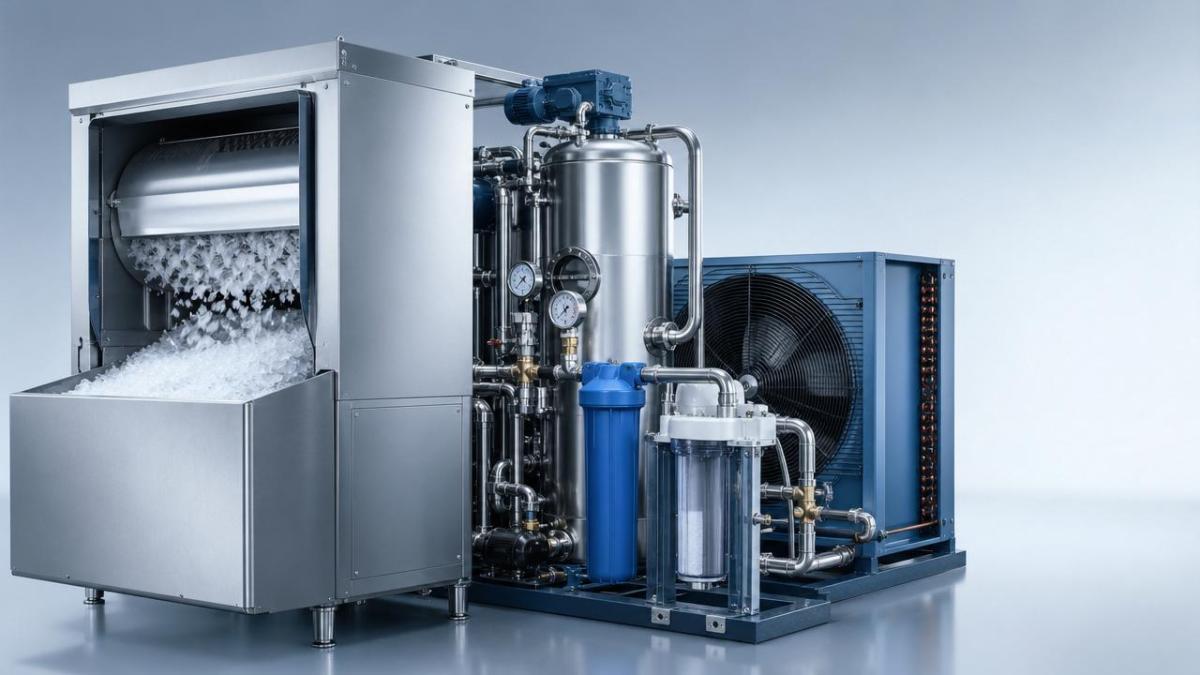
A commercial ice flaker machine combines refrigeration, water treatment, mechanical drive, electrical control, and sanitation. Because those systems interact, one minor issue can trigger faults elsewhere and confuse troubleshooting.
A structured checklist forces the technician to verify operating conditions in sequence. That prevents skipped basics, reduces unnecessary component swaps, and creates a repeatable maintenance record for future failure analysis.
Core inspection checklist for repeated downtime
Use the following checks in order when a commercial ice flaker machine stops often or loses production stability.
- Check feed water hardness and suspended solids before inspecting refrigeration parts, because scale and sediment often reduce heat transfer and create misleading high-pressure or low-output symptoms.
- Inspect the evaporator barrel and ice-forming surface for mineral buildup, since even thin scale layers force the commercial ice flaker machine to run longer and colder than intended.
- Measure suction pressure, discharge pressure, and superheat under normal load, then compare readings with design values to detect undercharge, overcharge, restriction, or condenser inefficiency.
- Clean the condenser thoroughly and verify airflow or water flow, because dirty heat rejection surfaces frequently push compressors into thermal overload or high-pressure trips.
- Examine the water inlet valve, filter, and distribution line, making sure the commercial ice flaker machine receives stable volume without intermittent starvation or pressure fluctuation.
- Verify gearbox, bearing, and scraper condition, since mechanical drag can increase motor current, disturb flake formation, and accelerate wear across the rotating assembly.
- Test sensors, probes, and control relays with actual measured values rather than display assumptions, because false temperature or level feedback often causes unnecessary shutdowns.
- Review compressor current draw and start components, especially after voltage dips, because repeated hard starts shorten service life and create intermittent commercial ice flaker machine failures.
- Inspect drain paths and bin switches for blockage or misalignment, as backed-up meltwater and false full-bin signals can stop ice production even when refrigeration remains healthy.
- Confirm cleaning intervals, descaling records, and parts replacement history, because recurring downtime often reflects maintenance gaps rather than sudden equipment defects.
What usually causes repeat failures
Poor water quality
Water quality is one of the most underestimated causes of commercial ice flaker machine downtime. High hardness promotes scale. High iron content stains surfaces. Suspended solids block valves, nozzles, and recirculation paths.
When scale forms inside the evaporator, freezing becomes uneven. The machine then runs longer to maintain output, raising energy use and stress on the compressor. This pattern often repeats until descaling is done properly.
Condenser overload and poor heat rejection
Many commercial installations place the machine near grease, dust, or poor ventilation. Air-cooled condensers foul quickly in these conditions. Water-cooled units also fail if scaling or flow restriction reduces heat removal.
Once condensing temperature rises, the commercial ice flaker machine experiences high head pressure, reduced ice output, and more frequent safety trips. Left unchecked, this can damage valves, insulation, and compressor windings.
Mechanical wear in continuous-duty operation
A commercial ice flaker machine often runs for long hours in fishery, food processing, or industrial cooling settings. That duty cycle accelerates bearing fatigue, shaft misalignment, scraper wear, and gearbox lubrication breakdown.
Mechanical resistance does not always stop production immediately. It may first appear as vibration, unstable ice thickness, rising motor amperage, or metal noise during startup and shutdown.
Scenario-based checks in different operating environments
Food service and cold chain support
In kitchens, processing rooms, and cold chain transfer areas, grease, flour dust, and frequent washdown can affect the commercial ice flaker machine. Condenser clogging and electrical moisture ingress are common combined faults.
Here, weekly condenser cleaning and seal inspection matter more than waiting for monthly service. Fast visual checks often prevent a minor contamination issue from becoming a full refrigeration shutdown.
Aquaculture and fishery applications
In aquaculture or dockside use, salt-laden air and heavy moisture increase corrosion risk. Sensors, terminals, fan motors, and frame joints on the commercial ice flaker machine degrade faster in these environments.
Preventive work should focus on anti-corrosion treatment, enclosure checks, and water source control. Small electrical faults in humid conditions can look like random trips, but they usually follow a repeatable pattern.
Industrial processing and chemical support cooling
Where ice is used for batch cooling, material handling, or temperature stabilization, the commercial ice flaker machine often faces fluctuating ambient heat and long daily runtimes. Load swings can expose refrigerant imbalance quickly.
These sites benefit from trend logging. Recording pressure, ambient temperature, water temperature, and amp draw makes it easier to separate actual machine faults from process-side operating changes.
Commonly overlooked risks
Ignoring partial symptoms. A commercial ice flaker machine rarely fails without warning. Reduced output, softer flakes, or a longer freeze cycle often appear days before a hard stop.
Replacing parts without baseline readings. Swapping sensors, valves, or compressors without pressure and electrical data can hide the true cause and increase total downtime.
Using untreated water after service. Cleaning the unit helps temporarily, but the problem returns quickly if the incoming water source still carries hardness, sediment, or unstable pressure.
Missing operator training. Frequent manual resets, improper shutdown, blocked ventilation clearance, or delayed cleaning routines can keep the same commercial ice flaker machine in a constant fault cycle.
Practical execution steps to reduce downtime
- Create a weekly log for suction pressure, head pressure, water condition, ice output, and motor current.
- Set fixed intervals for descaling, condenser cleaning, filter replacement, and gearbox lubrication.
- Install proper pretreatment if water hardness, sediment, or salinity exceeds acceptable operating limits.
- Keep spare sensors, contactors, filters, and wear parts ready for high-duty commercial ice flaker machine installations.
- Train operators to report early changes in sound, output, cycle time, and alarm frequency.
Conclusion and next action
Frequent commercial ice flaker machine downtime is usually a systems problem, not a single failed component. Water quality, heat rejection, mechanical wear, control accuracy, and maintenance discipline all affect reliability together.
Start with a documented checklist, measure before replacing parts, and correct repeat environmental causes first. That approach gives the commercial ice flaker machine a better chance of stable output, lower repair cost, and longer service life.
If repeated stoppages continue, perform a full operating audit over several production cycles. Consistent data is the fastest path to identifying why the same downtime keeps returning.
Related Intelligence
- Commercial FishingWhat Should You Check in a Fishery Equipment Maintenance Contract?What should I look for in a fishery equipment maintenance contract? Explore coverage, response times, costs, records, safety, and biosecurity essentials.
- Commercial FishingDo commercial fishing vessels with hybrid diesel-electric propulsion reduce fuel cost per kg landed by more than 12%?Commercial fishing vessels with hybrid diesel-electric propulsion *can* cut fuel cost per kg landed by >12%—but only under precise operational and infrastructure conditions. Discover the real ROI.
- Commercial FishingHow to Choose Oyster Processing Equipment for Capacity, Hygiene, and Labor EfficiencyOyster processing equipment guide: compare capacity, hygienic design, and labor efficiency to build a reliable, scalable line and make smarter buying decisions.
The Morning Broadsheet
Daily chemical briefings, market shifts, and peer-reviewed summaries delivered to your terminal.
