

The Authority in Global Agricultural Chemistry & Bio-Resources
Yongkang Hardware Export Index Rises; Heavy Agri Machinery Exports to Africa & Latin America Surge
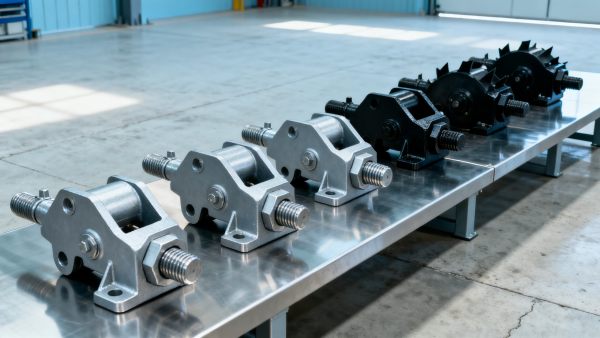
On April 30, 2026, the Yongkang Hardware Export Prosperity Index edged upward, driven primarily by strong export growth of heavy agricultural machinery components—especially tractor hitch systems and no-till planter parts—to Africa and Latin America. This development signals notable shifts in trade facilitation and market access for manufacturers and exporters serving Southern Hemisphere agricultural markets.
Event Overview
In April 2026, the Yongkang Hardware Export Prosperity Index recorded a slight increase. According to official customs data, exports of tractor suspension systems and no-till planter components to Africa and Latin America rose 67% year-on-year. Key destination countries—including Kenya and Colombia—have streamlined customs clearance for agricultural machinery imports, permitting direct release upon submission of Chinese manufacturers’ origin declarations and third-party test reports.
Industries Affected
Direct Exporters of Heavy Agricultural Machinery Components
These enterprises are directly exposed to the new customs facilitation measures. The simplified import process lowers time-to-market and reduces documentation-related delays in Kenya and Colombia, potentially improving order fulfillment cycles and customer retention in those markets.
Manufacturers Specializing in Tractor Hitch Systems and No-Till Planter Parts
As these product categories posted 67% YoY export growth, production planning, quality certification workflows, and labeling compliance (e.g., origin declaration formatting) become more operationally critical. Demand volatility may increase if policy adoption expands across other African or Latin American jurisdictions.
Supply Chain Service Providers (e.g., Customs Brokers, Certification Agencies)
With Kenya and Colombia now accepting Chinese-origin declarations and third-party test reports—rather than requiring full government-issued certificates—service providers must adapt documentation templates, verify issuer accreditation status, and clarify client guidance on acceptable report formats and language requirements.
Domestic Distributors and Aftermarket Parts Networks
While not directly exporting, these entities may face downstream pressure to align with evolving service expectations in target markets—for example, providing localized technical support or spare parts logistics compatible with equipment deployed under the new import regime.
What Enterprises and Practitioners Should Monitor and Act On
Track official updates from Kenyan and Colombian customs authorities
Current facilitation is confirmed for tractor hitch systems and no-till planter parts. Analysis shows that expansion to additional machinery categories—or formalization into bilateral trade protocols—remains unconfirmed and requires monitoring through official gazettes and WTO TBT notifications.
Validate documentation readiness for priority product lines
Enterprises should confirm whether their existing origin declarations meet format and signatory requirements set by Kenya’s KRA and Colombia’s DIAN—and whether their third-party testing labs are recognized under current guidelines. Observably, discrepancies in lab accreditation status have caused clearance delays in early pilot shipments.
Distinguish between regulatory signals and operational scalability
The current arrangement reflects administrative streamlining—not tariff reduction or quota expansion. From industry perspective, this means improved efficiency per shipment, but not necessarily lower landed costs or broader market eligibility without further policy alignment.
Prepare for regional replication in documentation and compliance workflows
Given the precedent set by Kenya and Colombia, companies exporting to other African Union or Pacific Alliance members should proactively review origin declaration templates, update internal SOPs for third-party report validation, and engage local partners to pre-test submission pathways.
Editorial Perspective / Industry Observation
This development is better understood as an emerging procedural signal—not yet a consolidated trade outcome. Analysis shows it reflects growing administrative coordination between Chinese manufacturing hubs and select Southern Hemisphere customs administrations, rather than broad-based tariff or regulatory harmonization. Observably, its immediate value lies in reduced friction for specific high-growth component categories, not systemic market access transformation. From industry perspective, sustained relevance depends on whether similar protocols gain traction in at least two additional countries within the next 12 months—and whether they extend beyond hardware components to assembled machinery.
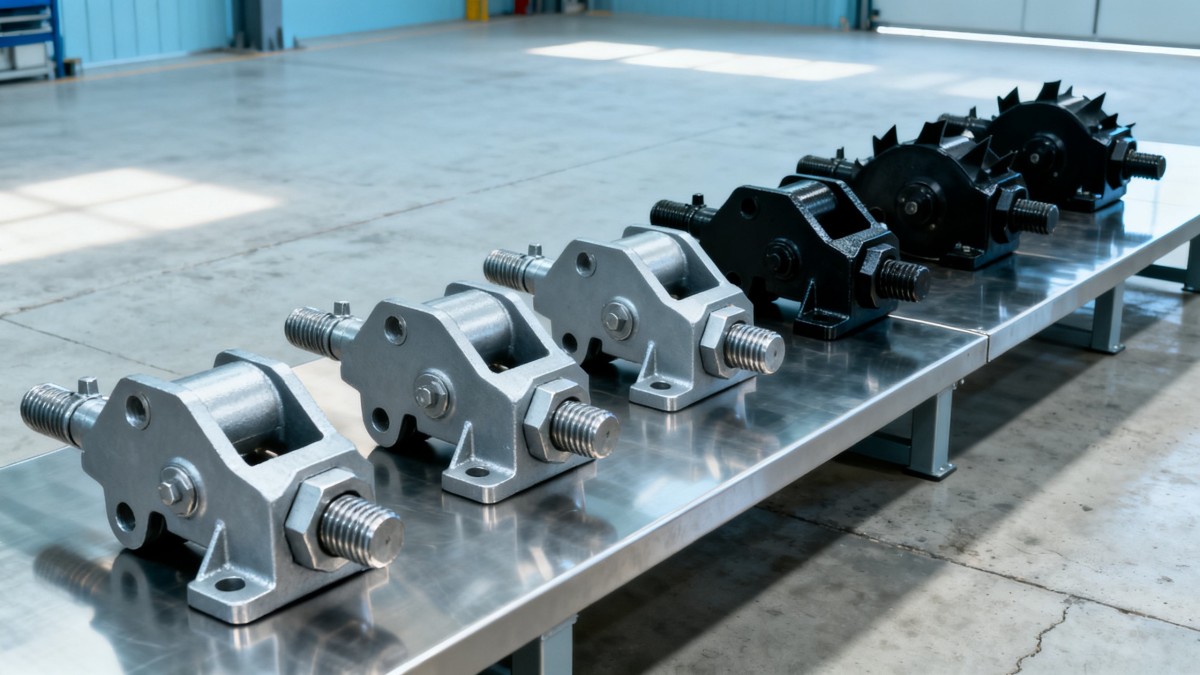
Conclusion: The April 2026 uptick in the Yongkang Hardware Export Prosperity Index highlights a targeted improvement in trade execution for certain heavy agri machinery components entering Africa and Latin America. It does not indicate a structural shift in global trade terms, but rather a pragmatic adjustment in import administration. Current evidence supports interpreting this as a near-term operational opportunity—particularly for exporters with established product compliance and documentation discipline—rather than a strategic inflection point requiring large-scale capacity reconfiguration.
Source: Yongkang Municipal Commerce Bureau export index release (April 30, 2026); General Administration of Customs of China regional trade statistics (April 2026); Kenya Revenue Authority Public Notice No. KRA/IMP/2026/04; Colombian National Directorate of Taxes and Customs (DIAN) Resolution 00521-2026.
Noted for ongoing observation: Formal inclusion of additional product categories or extension to other African/Latin American countries has not been confirmed and remains subject to future official announcements.
Related Intelligence
- Heavy Agri MachineryHow Does Market Forecasting Help Plan Farm Machinery Procurement?How does market forecasting help agri procurement planning? Discover how to time machinery purchases, protect cash flow, and reduce delivery risks before critical farm deadlines.
- Heavy Agri MachineryIs It Safe to Source Farm Machinery from Emerging Markets?Is it safe to source agri machinery from emerging markets? Discover how to verify suppliers, check compliance, and secure parts support to protect your farm and avoid costly buying mistakes.
- Heavy Agri MachineryHow to Size a Combine Harvester for Acreage, Crop Mix, and Harvest WindowsCombine harvesters sized for your acreage, crop mix, and harvest window: calculate real field capacity, match headers, and avoid costly bottlenecks.
The Morning Broadsheet
Daily chemical briefings, market shifts, and peer-reviewed summaries delivered to your terminal.
