

The Authority in Global Agricultural Chemistry & Bio-Resources
Copper & Aluminum Prices Remain High, Raising Milling Machinery Export Costs
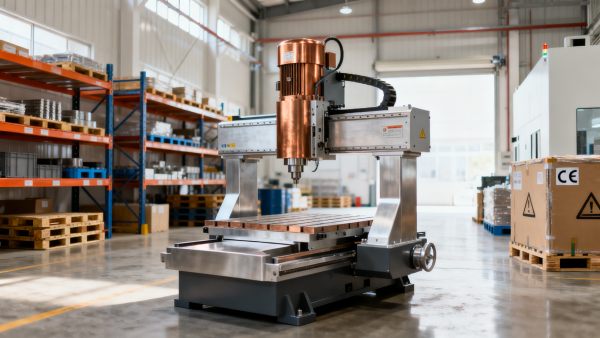
As of early April 2026, sustained high prices for copper and aluminum have driven up production and export costs for milling machinery manufacturers—particularly those sourcing raw materials in China’s domestic market. With the Chengdu Hardware & Electrical Machinery Price Index reaching 118 points (up 6.41% year-on-year), downstream equipment exporters are adjusting overseas quotations by 5–8%. This development warrants close attention from metalworking equipment exporters, global procurement teams, and supply chain managers operating across EU, North American, and ASEAN markets.
Event Overview
On April 1, 2026, the Chengdu Hardware & Electrical Machinery Price Index stood at 118 points, reflecting a 6.41% year-on-year increase. The rise was primarily attributed to elevated domestic prices for copper and aluminum. In response, exporters of milling machinery have raised their international quotations by 5–8%. European customers have shown relatively high acceptance of these increases, reportedly due to local peer equipment price hikes of approximately 12%.
Industries Affected by Segment
Direct Exporters of Milling Machinery
These firms face direct margin pressure as raw material cost inflation is passed through to final export pricing. The impact manifests in narrower quotation windows, longer negotiation cycles with price-sensitive buyers, and increased scrutiny of landed cost breakdowns—especially in markets where local competitors have also raised prices.
Raw Material Procurement Units (for OEM/ODM Manufacturers)
Procurement departments sourcing copper, aluminum, or semi-finished castings within China are encountering tighter supplier lead times and reduced flexibility on bulk order discounts. Cost volatility is now reflected not only in input invoices but also in extended payment terms imposed by upstream smelters and fabricators.
Metalworking Equipment Manufacturers (In-House Production)
Manufacturers integrating milling units into broader machine tool systems face cascading cost effects: higher BOM (bill-of-materials) values for structural frames, spindles, and cooling systems—all of which rely heavily on copper and aluminum alloys. This pressures internal transfer pricing and complicates cross-departmental budget alignment for Q2 2026.
Distribution & Channel Partners (EU-Focused)
European distributors and authorized resellers are absorbing some of the price adjustment burden—not via direct cost increases, but through compressed margins on standard configurations. Their ability to maintain volume depends increasingly on value-added differentiation, such as localized service packages or bundled software licenses.
What Enterprises or Practitioners Should Monitor and Do Now
Track official price indices and policy signals from China’s National Development and Reform Commission (NDRC) and Ministry of Commerce
While current copper/aluminum price levels are market-driven, any near-term intervention—such as adjustments to export tax rebates for non-ferrous metals or temporary reserve releases—could alter cost trajectories. Monitoring NDRC’s monthly commodity reports remains operationally relevant.
Focus on EU-market quotations and configuration options—not just headline price changes
The 5–8% export price increase is not uniform across models or regions. Firms should prioritize reviewing quoted SKUs with highest aluminum/copper content (e.g., large-bed CNC mills, high-torque spindle variants) and assess uptake of the newly introduced energy-efficient configuration option referenced in the source information.
Distinguish between price acceptance signals and actual order conversion trends
European customer acceptance of higher quotes—cited as comparatively strong—is based on observed behavior in early April 2026. It does not yet reflect confirmed order intake or contract renewals. Sales teams should treat this as a short-term negotiation dynamic, not a structural shift in willingness-to-pay.
Prepare dual-track communication materials for EU clients
One track emphasizes cost resilience in Chinese manufacturing (“China智造 cost resilience” as noted in the source); the other highlights technical upgrades—specifically energy-efficiency improvements—that offset price sensitivity. Both require clear, auditable documentation—not marketing narratives—to support commercial discussions.
Editorial Perspective / Industry Observation
Observably, this development functions less as an isolated cost shock and more as a stress test of value articulation in mid-tier capital equipment exports. The fact that EU buyers accept modest price increases—while local peers raise prices by 12%—suggests comparative cost discipline remains a competitive differentiator. Analysis shows that the current situation reflects a transitional phase: raw material cost pass-through has begun, but its full impact on order books, inventory planning, and long-term pricing architecture remains pending. From an industry perspective, the emphasis on “cost resilience” and configurational flexibility signals a move toward outcome-based commercial framing—shifting focus from unit price to total cost of ownership over equipment lifecycle.
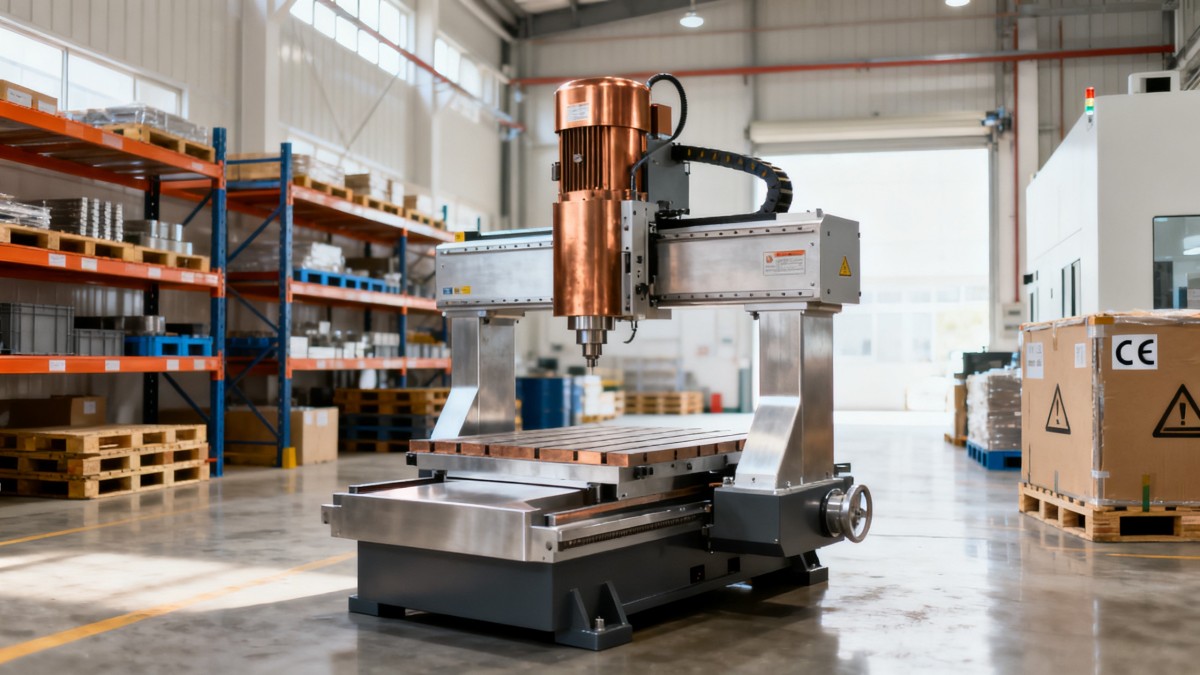
Conclusion: This update does not indicate a systemic disruption, but rather a measurable tightening in the cost–value calibration for milling machinery exports. It is better understood as a near-term operational signal—requiring tactical pricing and communication adjustments—rather than a strategic inflection point. Current conditions favor disciplined quoting, transparent cost rationale, and modular product offerings over broad-based price hikes or reactive cost-cutting.
Source: Chengdu Hardware & Electrical Machinery Price Index (April 1, 2026); industry field reporting on export quotation adjustments and EU buyer feedback. Note: Ongoing observation is warranted for Q2 2026 order intake data and any updates to China’s non-ferrous metal export policies.
Related Intelligence
- Milling MachineryGrain Processing Explained: From Cleaning and Milling to Finished Product QualityGrain Processing explained: discover how cleaning, conditioning, milling, and quality control turn raw grain into safe, consistent flour, feed, and food ingredients.
- Milling MachineryGerman Grain Processing Plants: Evaluating Automation and Energy-Efficiency UpgradesGrain processing Germany: evaluate automation and energy-efficiency upgrades to improve throughput, quality, safety, and lifecycle value.
- Milling MachineryGrain Processing in the UAE: Designing Facilities for Heat, Ports, and StorageGrain processing UAE insights for designing resilient facilities that manage heat, port logistics, storage quality, dust control, and reliable grain flow.
The Morning Broadsheet
Daily chemical briefings, market shifts, and peer-reviewed summaries delivered to your terminal.
