

The Authority in Global Agricultural Chemistry & Bio-Resources
Feed & Grain processing technology trends changing plant design
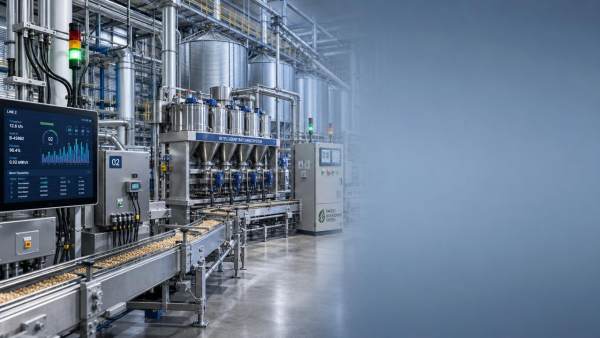
Feed & Grain processing technology is reshaping how modern plants are designed, operated, and scaled. For business planning, the shift is structural rather than incremental.
Rising energy costs, volatile grain quality, stricter traceability, and labor constraints now influence every design decision. Plant layouts must support flexibility, digital visibility, and compliance from day one.
Across the broader industrial landscape, Feed & Grain processing technology is becoming a strategic link between agricultural inputs, food systems, biochemical value chains, and industrial efficiency targets.
Plant design is moving from linear capacity thinking to adaptive system architecture
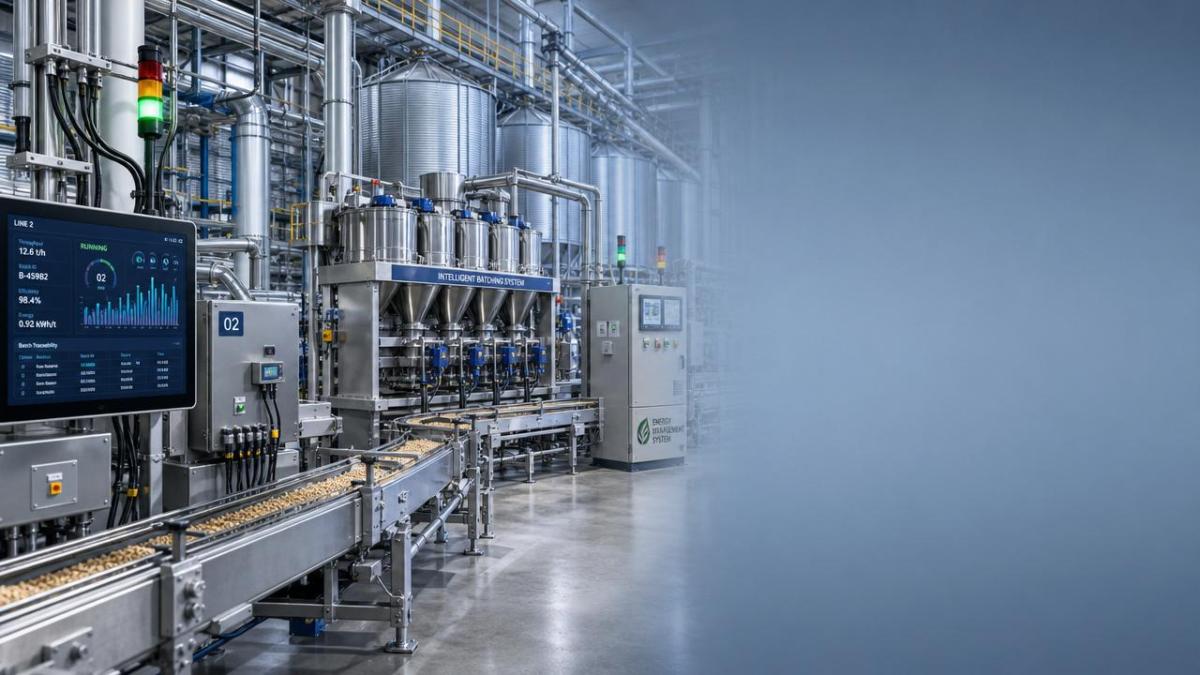
Traditional facilities were often built around fixed throughput assumptions. Today, Feed & Grain processing technology favors adaptable modules, smarter routing, and equipment that handles changing formulations without major shutdowns.
This change reflects a wider trend in integrated industry. Plants must process more ingredient types, support different batch sizes, and respond faster to market, weather, and regulatory shifts.
New designs increasingly separate core processing zones from utility, sanitation, and digital control layers. That approach reduces retrofit costs and improves long-term expansion options.
The strongest trend signals are visible in automation, traceability, and energy management
Recent investment patterns show that Feed & Grain processing technology is no longer judged only by output. It is judged by measurable control, recoverable data, and lower lifecycle operating cost.
Facilities are adopting sensor-rich handling systems, intelligent batching, in-line quality monitoring, and predictive maintenance tools. These upgrades reshape both process flow and building design.
At the same time, airflow systems, thermal processes, and utility networks are being redesigned to reduce wasted energy. That matters because energy inefficiency now directly weakens plant competitiveness.
Key drivers behind current Feed & Grain processing technology adoption
Automation is changing layout priorities inside feed and grain plants
In earlier designs, equipment placement focused on gravity flow and mechanical access. Modern Feed & Grain processing technology adds a new layer: data flow.
Control rooms, cable routing, sensor positions, machine interfaces, and remote diagnostics now influence layout as much as elevators, bins, mixers, and conveyors.
This has several consequences:
- Batching systems are placed for cleaner instrumentation and easier calibration.
- Maintenance zones are widened to support sensor service and component replacement.
- Material transfer paths are simplified to reduce hidden loss points.
- Operator intervention areas are reduced where closed-loop automation is possible.
As a result, better automation often leads to cleaner plant geometry, fewer bottlenecks, and more stable quality performance across shifts and seasons.
Ingredient handling and contamination control are becoming design-critical
Feed & Grain processing technology now operates in a stricter quality environment. Cross-contact prevention, dust control, pathogen risk management, and lot traceability affect design from intake to dispatch.
Plants handling specialty feeds, additives, or higher-value formulations especially need controlled routing. Shared lines without proper isolation can create operational and compliance risks.
Important design responses include dedicated ingredient paths, enclosed conveyors, improved aspiration, zoning barriers, and validated cleaning procedures embedded into workflow design.
Where the operational impact is most visible
The effects of upgraded Feed & Grain processing technology extend beyond the production floor. They influence quality assurance, inventory control, plant uptime, and capital planning.
- Inbound logistics gain from faster sampling, grading, and material segregation.
- Processing lines gain from recipe consistency and reduced rework.
- Utilities benefit from better load balancing and lower peak demand.
- Warehousing improves with clearer batch tracking and dispatch sequencing.
- Compliance systems improve through digital records and faster investigations.
Energy efficiency is now a core design metric, not a later optimization
A major shift in Feed & Grain processing technology is the treatment of energy as a design variable. Drying, grinding, pelleting, cooling, and dust collection can no longer be engineered in isolation.
Plants are increasingly modeled as integrated energy systems. Engineers are linking motor selection, fan performance, thermal recovery, compressed air use, and process scheduling.
This approach supports lower operating cost and more resilient performance during utility price volatility. It also strengthens environmental reporting and investment justification.
Priority checkpoints for evaluating design readiness
- Can the plant process variable grain quality without major throughput loss?
- Are traceability systems built into material movement rather than added later?
- Does the layout support modular expansion and phased automation upgrades?
- Are dust, hygiene, and cross-contact risks addressed structurally?
- Is energy performance measured across the full process chain?
- Can maintenance teams access critical assets without disrupting production?
Smarter decisions come from linking trends to capital planning horizons
Not every facility needs a full rebuild. However, every facility should assess how Feed & Grain processing technology trends affect three timelines: immediate reliability, medium-term flexibility, and long-term compliance resilience.
A practical planning model is to divide upgrades into layers. First, stabilize data visibility and critical controls. Next, improve material flow and contamination barriers. Then optimize energy and expand modular capacity.
What deserves close attention in the next phase of Feed & Grain processing technology
Several developments are likely to shape the next design cycle. Digital twins will improve commissioning and retrofit planning. AI-assisted quality control will strengthen response speed. Ingredient diversification will require more agile handling architecture.
At the same time, regulatory scrutiny around documentation, environmental performance, and process integrity will keep rising. That makes future-ready design a business necessity rather than a technical preference.
The most effective response is disciplined evaluation. Map material risk, utility intensity, automation gaps, and expansion constraints against expected market needs. Then prioritize changes that improve both resilience and measurable plant economics.
Feed & Grain processing technology is changing plant design through flexibility, deeper automation, stronger contamination control, and integrated energy thinking. The leaders in this transition will be those that treat technology choices as long-term infrastructure decisions.
A useful next step is a structured plant review covering layout logic, process data quality, utility performance, and compliance exposure. That review can reveal where targeted upgrades deliver the fastest strategic return.
Related Intelligence
- Milling MachineryGrain Processing Explained: From Cleaning and Milling to Finished Product QualityGrain Processing explained: discover how cleaning, conditioning, milling, and quality control turn raw grain into safe, consistent flour, feed, and food ingredients.
- Milling MachineryGerman Grain Processing Plants: Evaluating Automation and Energy-Efficiency UpgradesGrain processing Germany: evaluate automation and energy-efficiency upgrades to improve throughput, quality, safety, and lifecycle value.
- Milling MachineryGrain Processing in the UAE: Designing Facilities for Heat, Ports, and StorageGrain processing UAE insights for designing resilient facilities that manage heat, port logistics, storage quality, dust control, and reliable grain flow.
The Morning Broadsheet
Daily chemical briefings, market shifts, and peer-reviewed summaries delivered to your terminal.
