

The Authority in Global Agricultural Chemistry & Bio-Resources
What to check before buying feed processing equipment
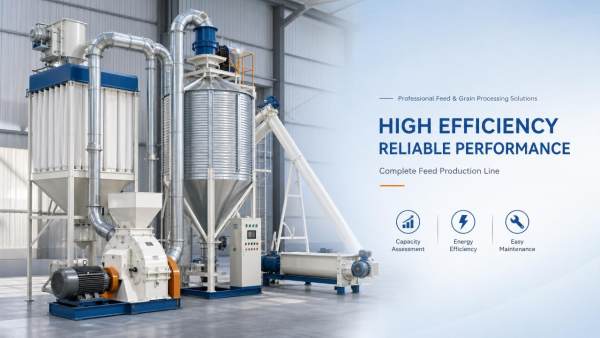
Before investing in Feed & Grain processing equipment, operators must evaluate more than price alone. Capacity, material compatibility, energy efficiency, safety standards, maintenance access, and supplier reliability directly shape output quality, uptime, and long-term operating cost. A disciplined review process reduces avoidable mistakes and helps ensure the selected Feed & Grain processing equipment fits production targets, site conditions, and compliance demands.
Why a checklist matters before buying Feed & Grain processing equipment
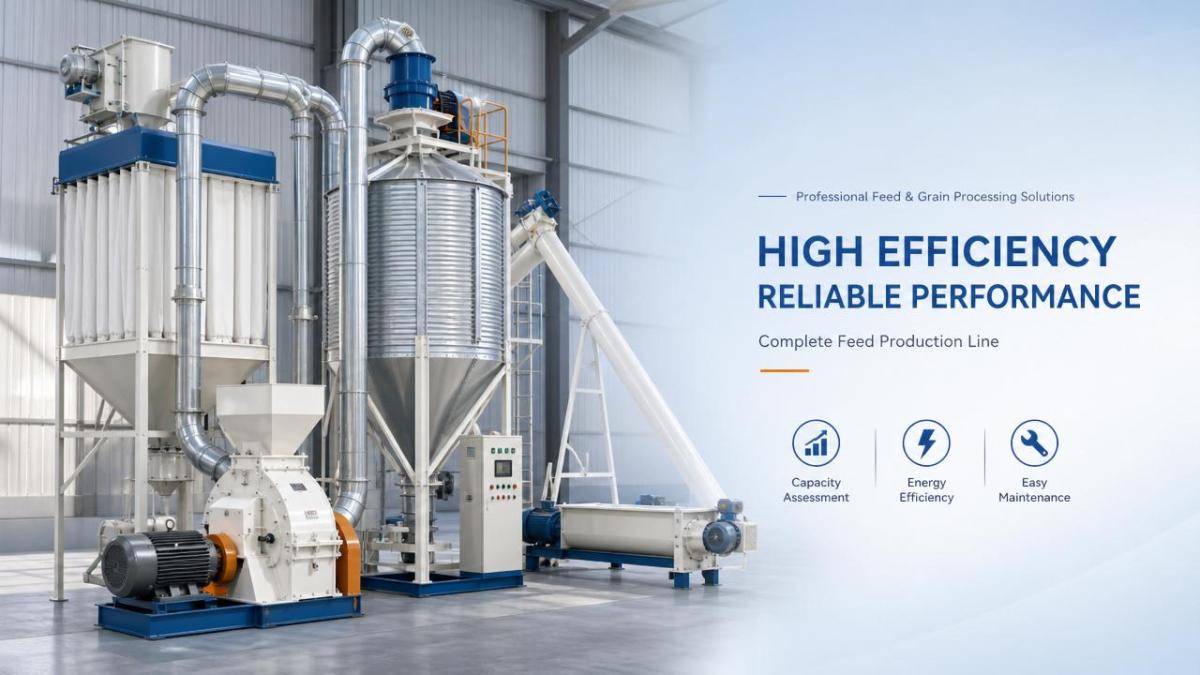
Feed mills, grain processors, and mixed agricultural operations often compare machines by headline capacity and quoted price. That approach misses the factors that usually determine real value after installation.
A checklist creates a consistent decision path. It forces a review of throughput, raw material behavior, wear parts, sanitation points, automation needs, and supplier support before money is committed.
For Feed & Grain processing equipment, this matters because process variation is expensive. Poor matching between machine design and material flow can lead to clogging, heat damage, excess fines, inconsistent particle size, and frequent stoppages.
Core checklist for Feed & Grain processing equipment
- Define actual throughput by hour and by shift, then compare rated output under similar moisture, density, and ingredient conditions instead of relying on ideal laboratory figures.
- Check material compatibility for corn, soybean meal, premixes, pellets, fish feed ingredients, or fibrous inputs, because different formulations create different friction, wear, and flow behavior.
- Verify particle size requirements at the discharge point, including grind uniformity, fines percentage, and rework rate, so the machine supports the downstream mixing or pelleting step.
- Review motor power, energy draw, and load stability under normal production, not just startup conditions, to estimate operating cost across seasonal production volumes.
- Inspect access points for screens, hammers, rollers, dies, bearings, and seals, because maintenance time strongly affects uptime for Feed & Grain processing equipment.
- Confirm dust control, aspiration, explosion protection, guards, interlocks, and emergency stops, especially where dry grain powder creates combustible or inhalation risks.
- Assess construction materials and surface finish, including contact parts, coating quality, and corrosion resistance, if additives, salts, oils, or humid conditions are involved.
- Ask for layout drawings, foundation loads, inlet and outlet heights, and service clearances to ensure the equipment fits the building and existing conveying lines.
- Evaluate automation level, control logic, sensor placement, and compatibility with plant software if the process depends on batch traceability or remote monitoring.
- Request wear part life data, spare part lead times, and local service availability, since delayed replacement parts can stop an entire feed or grain line.
- Check cleaning procedures and cross-contamination controls when switching formulas, especially in operations handling medicated feed, specialty nutrition, or sensitive ingredients.
- Review supplier documentation, factory testing records, and reference installations to confirm that the claimed performance of the Feed & Grain processing equipment is proven in practice.
Key comparison table
How checks change by application
Standard livestock feed lines
In standard feed production, consistency usually matters more than peak output. Feed & Grain processing equipment should deliver stable grind size, uniform mixing, and predictable flow into pelleting or bagging stages.
Screen changes, hammer wear, and die condition should be reviewed early. Small variations in these areas often create larger problems later, including poor pellet durability and uneven nutrient distribution.
Aquaculture and specialty formulations
Aquaculture diets and premium feed blends often use finer particle sizes, higher oil levels, and more sensitive ingredients. Here, Feed & Grain processing equipment must control heat buildup and limit contamination between batches.
It is also important to assess cleaning access and sealing quality. Residual carryover can compromise formulation accuracy and product performance in high-value applications.
Grain receiving and primary processing
Where the operation begins with bulk grain intake, upstream variability becomes the main concern. Moisture, foreign material, and density shifts can change how Feed & Grain processing equipment performs from one lot to another.
Machines should be sized with realistic buffer margins. Overly tight sizing may look efficient on paper but often causes bottlenecks during harvest peaks or during mixed-origin grain runs.
Commonly overlooked risks before purchase
Ignoring total lifecycle cost
A lower purchase price can hide higher power use, faster wear, and slower maintenance. For Feed & Grain processing equipment, the wrong machine often becomes more expensive within the first years of operation.
Trusting generic capacity claims
Quoted throughput often depends on ideal raw materials and simplified test conditions. Always compare performance using materials, moisture ranges, and formulations close to actual production.
Underestimating installation constraints
Height restrictions, floor load, duct routing, electrical supply, and access for future servicing can all affect implementation. Equipment that technically fits may still create operational compromises.
Overlooking documentation quality
Clear manuals, parts lists, wiring diagrams, and service procedures are not minor details. Good documentation shortens training time and supports safer, faster recovery during faults.
Practical steps to evaluate Feed & Grain processing equipment
- Collect sample formulations, expected moisture ranges, and target output data before requesting quotations.
- Ask each supplier to state power consumption, wear part schedule, and maintenance time in writing.
- Request a process flow review to confirm the equipment matches conveyors, bins, mixers, coolers, and packaging lines.
- Use factory acceptance testing or reference visits to validate claims under operating conditions close to your own.
- Score options against the same checklist so selection is based on evidence rather than presentation quality.
This structured method improves comparisons across brands and machine types. It also makes later commissioning easier because site, utility, and maintenance questions are answered before delivery.
Final takeaway
Choosing Feed & Grain processing equipment should begin with operational fit, not brochure claims. The best result comes from checking process requirements, maintenance realities, safety features, energy performance, and supplier credibility together.
Use a written checklist, compare evidence line by line, and validate performance with real materials whenever possible. That approach helps secure Feed & Grain processing equipment that supports reliable output, lower risk, and better long-term value.
Related Intelligence
- Commercial Feed PelletHow to Build a Sanitary Feed Production Plan That Reduces Cross-ContaminationSanitary feed production planning: reduce cross-contamination with smarter sequencing, validated flushing, material segregation, and traceable sanitation controls.
- Commercial Feed PelletFeed Pellet Mill Sourcing: How to Vet Suppliers for Capacity, Quality, and SupportFeed pellet mill sourcing made smarter: vet suppliers for proven capacity, pellet quality, lifecycle cost, factory controls, commissioning, and reliable after-sales support.
- Commercial Feed PelletFeed Production System Price Trends: Cost Drivers and Budgeting for New LinesFeed production systems price trend insights: compare cost drivers, automation, utilities, compliance, and total ownership costs to budget smarter for new feed lines.
The Morning Broadsheet
Daily chemical briefings, market shifts, and peer-reviewed summaries delivered to your terminal.
