

The Authority in Global Agricultural Chemistry & Bio-Resources
Feed & Grain processing technology trends changing output
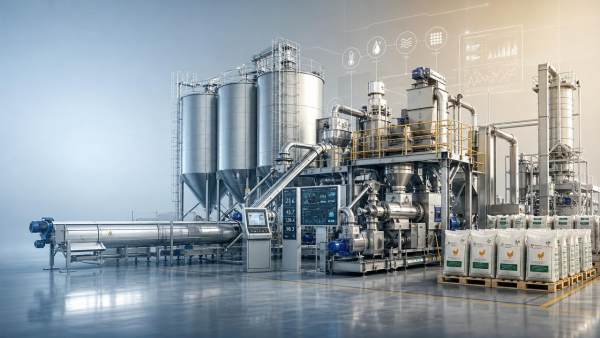
Feed & Grain processing technology is rapidly reshaping output, quality control, and cost efficiency across global supply chains. Rising input volatility, tighter food and feed safety rules, and stronger traceability expectations are accelerating investment in smarter processing systems.
Within the broader primary industries landscape, Feed & Grain processing technology now influences plant uptime, formulation consistency, energy intensity, and export readiness. Its impact extends beyond milling lines into compliance, procurement planning, maintenance strategy, and long-term capacity decisions.
This matters because modern output is no longer measured only in tonnage. It is measured in stable nutrient retention, lower waste, predictable moisture control, digital records, and the ability to respond quickly to market shifts.
Understanding Feed & Grain processing technology in operational terms
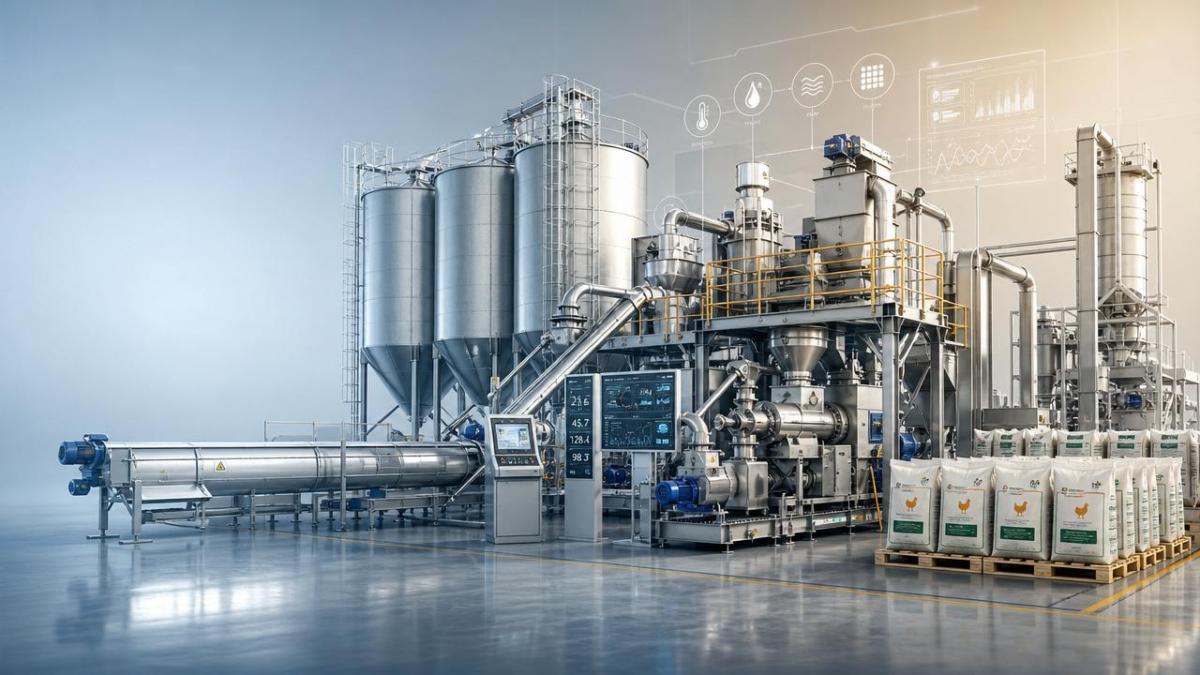
Feed & Grain processing technology covers the equipment, software, control systems, and analytical methods used to convert raw cereals and ingredients into stable, market-ready products.
Core stages often include intake, cleaning, drying, storage, grinding, dosing, mixing, conditioning, pelleting, extrusion, cooling, coating, packaging, and dispatch documentation.
Historically, processors focused on mechanical throughput. Current systems add sensor networks, automated controls, machine learning, and integrated quality assurance to improve every stage of output management.
The result is a more connected production model. Operators can now link raw material variability with process adjustments, maintenance alerts, and final product conformity in near real time.
Why the definition has expanded
Today, Feed & Grain processing technology includes digital verification, emissions monitoring, sanitation design, and batch genealogy. These functions are increasingly essential for regulated and export-oriented supply chains.
That broader definition aligns with the needs of integrated agriculture, biochemical production, and industrial food systems, where data integrity and process repeatability carry direct commercial value.
Market signals shaping current technology priorities
Several pressure points are driving adoption. Input prices remain unstable, labor is harder to secure, and global compliance frameworks are becoming more detailed and more enforceable.
At the same time, customers expect measurable proof of ingredient quality, contamination control, and production transparency. This is where advanced Feed & Grain processing technology becomes strategically important.
These signals show why technology selection is shifting from isolated machine upgrades to plant-wide performance architecture. Interoperability and data visibility are becoming core evaluation criteria.
Key Feed & Grain processing technology trends changing output
The most influential trends are not purely futuristic. Many are already delivering measurable gains in industrial facilities with mixed equipment generations and demanding production schedules.
1. Sensor-driven process control
Inline moisture meters, particle size analyzers, and temperature sensors reduce guesswork. Continuous readings help stabilize grinding, conditioning, and drying performance.
When connected to control software, these tools automatically adjust process settings. That improves yield consistency and lowers the risk of overprocessing or underprocessing.
2. Smart automation and predictive maintenance
Advanced Feed & Grain processing technology now combines PLC logic, industrial IoT devices, and asset monitoring. Vibration, load, and temperature patterns can reveal failure risks early.
This reduces unplanned shutdowns and helps maintenance schedules match actual equipment condition rather than fixed service intervals.
3. Precision grinding and formulation management
Particle size has a direct effect on digestibility, mixing quality, pellet durability, and energy use. New grinding systems improve uniformity while limiting excessive fines.
Formula management software also supports tighter dosing accuracy, better ingredient substitution control, and stronger cost discipline during volatile commodity cycles.
4. Energy-efficient thermal processing
Conditioning, drying, and cooling remain major energy consumers. Newer systems use improved airflow design, heat recovery, and smarter residence-time control.
These features lower utility intensity while protecting nutrient value and minimizing moisture-related losses during storage and transport.
5. End-to-end traceability platforms
Digital batch records connect raw intake, lot segregation, process events, test results, and shipping details. This strengthens recall readiness and customer confidence.
For export channels and regulated sectors, traceability is becoming a standard business requirement rather than a premium feature.
Business value across the integrated supply chain
The value of Feed & Grain processing technology reaches far beyond the production floor. It influences inventory planning, supplier management, logistics timing, and product acceptance risk.
- Higher output consistency improves contract reliability and customer retention.
- Better process visibility supports faster root-cause analysis and fewer quality deviations.
- Reduced waste and optimized energy use improve margin resilience.
- Digitized compliance records simplify audits and cross-border documentation.
- More stable product characteristics support premium positioning in specialized segments.
In combined agriculture and fine chemical ecosystems, this reliability matters. Feed ingredients, grain fractions, and by-products increasingly feed into complex downstream value chains.
A processor with better control over contamination, nutrient stability, and lot traceability is generally better positioned for long-term strategic partnerships.
Typical application scenarios and technology fit
Not every facility needs the same technology stack. The best Feed & Grain processing technology pathway depends on product type, regulatory exposure, plant age, and throughput goals.
This scenario-based approach prevents overinvestment and helps align capital deployment with practical production constraints.
Implementation priorities and common caution points
Adopting Feed & Grain processing technology requires more than purchasing equipment. Lasting gains depend on integration quality, operator readiness, and clear performance baselines.
Recommended priorities
- Map current bottlenecks by line, shift, and product category.
- Quantify losses from moisture drift, downtime, rework, and energy use.
- Prioritize technologies with measurable effects on output and compliance.
- Check compatibility with existing control architecture and reporting systems.
- Define validation metrics before installation begins.
Common issues to avoid
- Adding automation without reliable raw material data.
- Ignoring calibration routines for sensors and dosing systems.
- Underestimating cleaning design and contamination pathways.
- Deploying software tools without user training and governance.
- Judging success only by nominal machine speed.
A disciplined rollout usually starts with a high-impact section, such as grinding, thermal treatment, or traceability capture, then expands after performance verification.
A practical next step for evaluating technology direction
Feed & Grain processing technology is changing output by making production more observable, more controllable, and more defensible under commercial and regulatory scrutiny.
The strongest results typically come from linking process modernization with traceability, energy discipline, and data-backed quality management rather than isolated hardware upgrades.
A useful next step is a structured plant assessment. Review moisture variance, downtime causes, energy hotspots, batch records, and quality deviations against current production goals.
That evaluation creates a clearer roadmap for selecting Feed & Grain processing technology that improves output, protects compliance readiness, and supports long-term operational resilience.
For sectors tracked by AgriChem Chronicle, this disciplined approach offers a practical way to connect processing innovation with stronger industrial performance across the broader primary industries value chain.
Related Intelligence
- Commercial Feed PelletHow to Build a Sanitary Feed Production Plan That Reduces Cross-ContaminationSanitary feed production planning: reduce cross-contamination with smarter sequencing, validated flushing, material segregation, and traceable sanitation controls.
- Commercial Feed PelletFeed Pellet Mill Sourcing: How to Vet Suppliers for Capacity, Quality, and SupportFeed pellet mill sourcing made smarter: vet suppliers for proven capacity, pellet quality, lifecycle cost, factory controls, commissioning, and reliable after-sales support.
- Commercial Feed PelletFeed Production System Price Trends: Cost Drivers and Budgeting for New LinesFeed production systems price trend insights: compare cost drivers, automation, utilities, compliance, and total ownership costs to budget smarter for new feed lines.
The Morning Broadsheet
Daily chemical briefings, market shifts, and peer-reviewed summaries delivered to your terminal.
