

The Authority in Global Agricultural Chemistry & Bio-Resources
When a Lower Layer Cage Price Can Increase Long-Term Farm Operating Costs
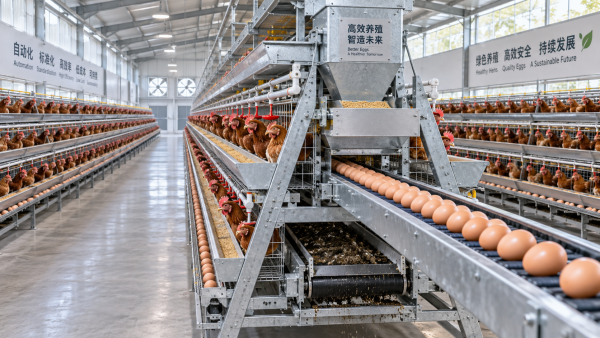
A low quotation for layer cages can look attractive when a farm is expanding, replacing worn equipment, or trying to control capital expenditure. Yet the purchase price is only one part of the economic result. If lower-cost cages create more egg losses, require frequent repairs, complicate manure removal, or limit future automation, the initial saving can be absorbed by operating costs over the life of the house.
For business decision-makers, the practical question is not whether a cage system is inexpensive at delivery. It is whether the system can maintain reliable production under the farm’s stocking plan, labor model, climate conditions, maintenance capacity, and market requirements. A lower figure may be justified in a simple, low-intensity operation. In other settings, it may shift risk into daily labor, replacement parts, mortality management, and production interruptions.
Why the Purchase Price Can Mislead
Cage procurement is often compared as a one-time equipment transaction: number of tiers, number of birds per cage, steel weight, included accessories, shipping cost, and installation price. Those figures matter, but they do not fully describe the operating burden created after the system is commissioned.
A layer house depends on several connected systems. Cages must work with feeding lines, drinkers, egg collection arrangements, manure handling equipment, ventilation, lighting, and staff access. Weakness in one part can affect the rest. For example, uneven cage rows may interfere with egg belts or collection trays. A poorly aligned drinking line may create wet manure beneath the cages. Corroded fasteners can make routine replacement of nipples, feed trough sections, or cage doors unnecessarily slow.
The lowest offer can also exclude components that the farm will ultimately need. A basic quotation may cover cage frames and wire panels but omit electrical controls, manure belts, egg transport equipment, spare parts, installation supervision, or adequate access platforms. Comparing a complete system with a partial material package can produce a false impression of savings.
A meaningful cost review should separate three figures: initial equipment cost, cost to make the system operational, and cost to keep it functioning through its intended service life. Farms that combine these figures early are less likely to choose an option that appears inexpensive only because essential costs have been deferred.
Where a Cheap Cage System Can Add Daily Operating Expense
Labor requirements often rise before owners notice
Labor is frequently the first recurring cost affected by cage design. If feed distribution is inconsistent, workers may spend time checking troughs and redistributing feed. If doors are difficult to open or do not close securely, routine inspection and bird removal take longer. Narrow service aisles can make it harder to observe birds, retrieve eggs, or repair equipment without disrupting other tasks.
Manual work may seem manageable at a small scale, but the burden changes as flock size increases. A few additional minutes per row during feeding checks, egg collection, or mortality removal can become a recurring daily expense. The issue is not simply the number of employees; it is whether staff spend their time on productive flock management or compensating for equipment limitations.
Egg losses can be hidden in the production record
Cage floor slope, wire finish, door geometry, egg roll-out paths, and collection interfaces all influence whether eggs reach the collection point intact. If eggs remain in the cage too long, roll unevenly, crack on poorly joined surfaces, or become contaminated by manure, the farm may lose value without seeing a dramatic equipment failure.
Breakage and downgraded eggs should be tracked separately from overall egg output. A farm can maintain reasonable laying numbers while still losing margin through cracks, dirt, shell damage, and sorting losses. In a system with automatic egg collection, poor alignment between cages and collection equipment can add another point of loss. The cheaper cage structure may then create an ongoing quality problem that is more expensive than its original price difference.
Corrosion creates both repair costs and hygiene risks
Layer houses expose metal equipment to moisture, dust, manure gases, cleaning activities, and local humidity. The rate of corrosion depends heavily on ventilation performance, manure handling, washing practices, and the local environment. A cage system that appears adequate in a dry demonstration setting may deteriorate faster in a humid house with weak air movement or delayed manure removal.
Material selection and protective treatment should be assessed in relation to the actual operating environment. Buyers should ask where corrosion is most likely to begin: wire welds, cage floors, feed trough joints, supports near manure belts, fasteners, drinking-line brackets, and interfaces between different metals. Once corrosion affects structural rigidity or animal-contact surfaces, repair becomes more than a cosmetic task.
Early replacement of panels, wire sections, brackets, or doors also brings indirect costs. Workers must enter occupied rows, birds may be disturbed, and repairs can be postponed when the house is busy. Deferred maintenance can then turn a limited defect into a larger operational problem.
System Compatibility Matters More Than a Standalone Cage Quote
Many procurement mistakes occur because cage units are evaluated in isolation. A cage design may be structurally acceptable yet poorly suited to the automation level the farm expects to use. This is particularly relevant when an operation plans to add automatic feeding, egg collection, manure removal, or environmental controls after the initial installation.
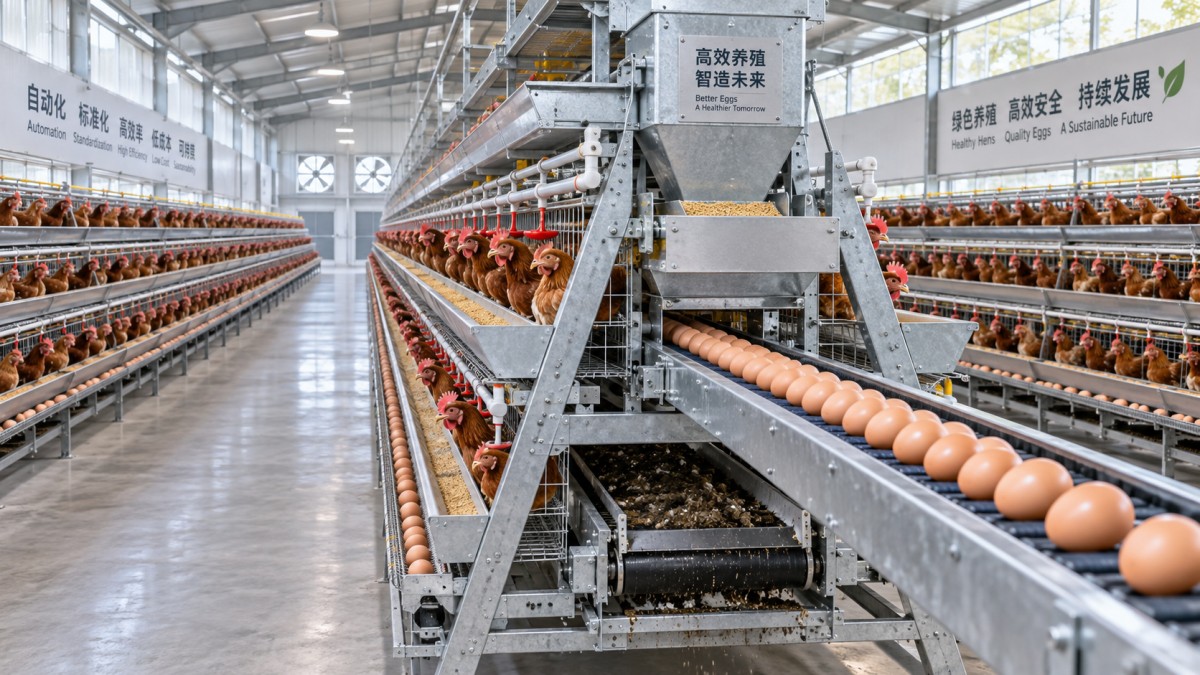
When reviewing an automatic A-type battery cage arrangement or a similar layout, buyers should confirm how the cage frame interfaces with the selected feeding, drinking, egg, and manure systems. The relevant questions are practical: Are the support points compatible? Is access available for adjustment and cleaning? Can belt tracking or scraper movement be inspected safely? Are electrical and mechanical components reachable without dismantling cage sections?
A useful starting point for comparing a quoted layer cages price is to identify exactly what configuration the figure represents. The same phrase can refer to a basic cage body, a partly equipped row, or a more integrated system with automated functions. Without a component-by-component scope, a comparison between suppliers may have little decision value.
Compatibility also affects future replacement. Farms should determine whether common wear items can be changed without cutting, welding, or modifying the main structure. If a damaged drinker pipe, feed trough section, or egg belt guide requires extensive dismantling, a modest spare-part cost may be overshadowed by labor and downtime.
Bird Welfare, Flock Management, and Financial Exposure
Housing equipment influences the conditions under which birds are inspected, fed, watered, and managed. The financial effect is not always immediate, but poor access and inconsistent equipment performance can make flock issues harder to identify early. A blocked nipple line, uneven feed supply, broken cage door, or sharp wire edge may affect only a limited area at first. If routine observation is difficult, the problem may persist longer than it should.
Decision-makers should assess cage design alongside their flock-management procedures. Can staff inspect all tiers without unsafe climbing or restricted sightlines? Can birds be removed efficiently when needed? Are feed and water points positioned so that uneven distribution can be identified? Does the layout support the farm’s cleaning and biosecurity routines?
Local animal welfare rules and customer requirements may also affect the acceptable housing format, stocking arrangement, and management practices. These requirements vary by market and can change over time. A lower-cost system becomes a poor financial choice if it cannot support the farm’s permitted operating model or requires costly modification to meet buyer, regulatory, or certification expectations.
What to Compare Before Selecting a Lower-Cost Offer
Rather than asking which proposal has the lowest unit price, procurement teams can use a total-operating-cost review. The review does not need speculative financial forecasts. It should identify the elements most likely to create recurring expense or operational exposure.
The same review should be applied to delivery and installation. Transport damage, incomplete packing lists, missing fasteners, unclear assembly instructions, and poor row alignment can all add cost before the first flock enters the house. Buyers should define who checks quantities, verifies dimensions, confirms equipment interfaces, and signs off on installation quality.
Installation Quality Can Determine Whether the System Performs as Quoted
A well-designed cage system can still perform poorly if installation is rushed or site conditions are not ready. Concrete floor levelness, building dimensions, drainage, ventilation openings, power availability, water pressure, and manure discharge arrangements influence final performance. If cage rows are installed before these conditions are confirmed, later correction can be disruptive and expensive.
Commissioning should include more than visual inspection. The farm should check row alignment, door operation, feed movement, drinker function, egg travel, manure removal, electrical safety, and access routes. Testing should occur before bird placement whenever possible, because correcting a mechanical issue in an empty house is simpler than doing so around a live flock.
Documentation has a practical role here. A clear equipment schedule can show what was supplied, where components belong, and which items are expected to wear over time. This helps management distinguish between a genuine equipment defect, an installation problem, and a maintenance issue. It also makes later purchasing of compatible replacement parts less uncertain.
When the Lowest Price May Still Be Rational
A lower-price option is not automatically a poor decision. It can make sense when the farm has a limited-scale operation, a short planning horizon, reliable in-house maintenance capability, low automation needs, and operating conditions that place limited stress on the equipment. It may also be reasonable where the cage design is simple, the component scope is transparent, and the buyer has confirmed that installation and replacement parts are manageable.
The risk rises when a low quotation is used for a large house, a labor-constrained operation, a humid or corrosive environment, or a project that depends on uninterrupted automated handling. In those conditions, equipment reliability affects several cost centers at once. A failure in one row can affect feed access, water supply, egg collection, manure handling, staff workload, and flock monitoring.
A Better Procurement Decision Uses Cost per Productive Year
Senior buyers do not need to predict every future repair to make a stronger decision. They can compare alternatives using a structured set of assumptions: expected service period, included automation, likely maintenance tasks, availability of spares, installation scope, labor implications, and the consequences of equipment downtime. The objective is to understand the cost per productive year, rather than treating the delivered cage price as the whole investment.
The strongest choice is usually the one that matches the farm’s operating reality. A cage system should be judged by its ability to support consistent feeding, watering, egg handling, manure management, inspection, maintenance, and compliance over time. When these factors are examined before the purchase order is issued, a lower initial price can be recognized either as a sensible saving or as a cost that will reappear later in the farm’s operating budget.
Related Intelligence
- Poultry Housing & CagingWhen a Lower Layer Cage Price Can Increase Long-Term Farm Operating CostsLayer cages price is more than an upfront quote. Discover how cheaper systems can raise labor, repair, egg-loss, and automation costs over time.
- Poultry Housing & CagingHow Poultry Equipment Layout Affects Cleaning, Biosecurity, and MaintenancePoultry equipment and their uses shape cleaning access, biosecurity, and maintenance. Discover layout strategies that reduce risks and improve farm efficiency.
- Poultry Housing & CagingMaintenance Challenges and Design Features That Extend Service Life of Automated Poultry Cage Systemsautomated poultry cages face corrosion, jamming & fatigue—discover design features that cut maintenance costs and extend service life by years.
The Morning Broadsheet
Daily chemical briefings, market shifts, and peer-reviewed summaries delivered to your terminal.
