

The Authority in Global Agricultural Chemistry & Bio-Resources
Key Buying Factors for Automatic H Frame Layer Battery Cage Systems
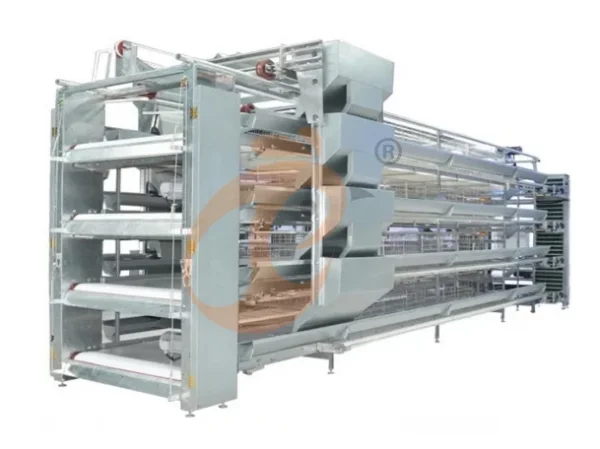
Key Buying Factors for Automated H-Frame Layer Housing Systems
Commercial egg production is becoming more capital-intensive, more data-driven, and more sensitive to labor efficiency, bird welfare, biosecurity, and operating cost control. For procurement teams, distributors, and enterprise decision makers, selecting a layer housing system is no longer a simple comparison of cage size and steel price. The decision affects farm layout, daily management, egg collection efficiency, manure handling, ventilation design, disease prevention, maintenance workload, and long-term return on investment.
H-frame layer cage systems are widely considered in medium and large-scale egg farms because they make better use of vertical space and can support centralized feeding, drinking, manure removal, egg collection, and environmental management. When automation is added, the system can reduce repetitive manual tasks and help standardize production routines. However, the benefits depend heavily on equipment quality, installation accuracy, local farm conditions, operator training, and supplier service capability.
A poor purchasing decision may create hidden costs that are not obvious during quotation comparison. Weak structural components may increase deformation risk. Inconsistent galvanization may shorten service life in humid poultry house environments. Poorly matched feeding or egg collection equipment may cause feed waste, cracked eggs, or operational interruptions. For this reason, buyers should evaluate the system as a complete production solution rather than a single equipment item.
Why Buyers Are Paying Closer Attention
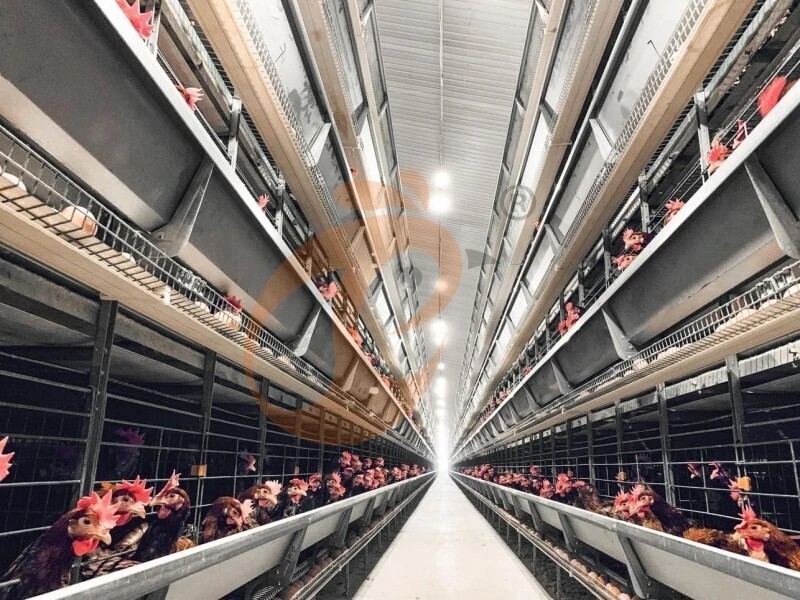
Several industry pressures explain why modern layer farms are reviewing housing system investments more carefully. Labor availability is one of the most practical concerns. In many regions, farms face difficulty hiring stable workers for routine feeding, egg handling, manure cleaning, and inspection tasks. Automated equipment can help reduce dependence on manual labor, but only when the system is reliable and easy to operate.
Another factor is production consistency. Egg producers serving supermarkets, distributors, food processors, and institutional buyers are often expected to maintain stable supply quality. Housing equipment influences bird density management, access to feed and water, egg cleanliness, and daily collection rhythm. A system that supports consistent routines can reduce avoidable variation in farm performance.
Biosecurity is also becoming a stronger purchasing consideration. Although cage equipment alone cannot prevent disease, a well-planned system can make cleaning, manure removal, ventilation control, and movement management more practical. Facilities that reduce unnecessary human contact with birds may help support better hygiene discipline when combined with proper farm protocols.
Structural Strength and Material Durability
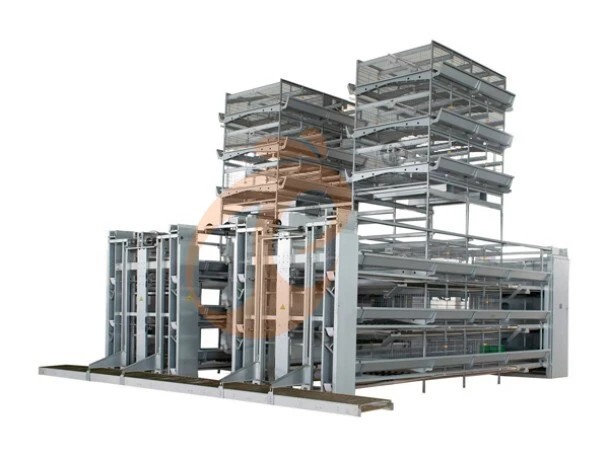
The frame is the foundation of the entire system. Procurement teams should examine steel thickness, load-bearing design, welding quality, cage mesh strength, and anti-corrosion treatment. In layer houses, equipment is exposed to moisture, ammonia, dust, cleaning activity, and long service cycles. Even when two suppliers provide similar-looking systems, differences in material grade and surface treatment may lead to very different maintenance outcomes.
Galvanized steel is commonly used, but buyers should not rely only on the word “galvanized” in a proposal. The consistency of coating, treatment method, and suitability for poultry house conditions matter. Areas near manure belts, water lines, and lower cage sections may face higher corrosion pressure. Buyers can request clear technical descriptions and inspect sample components before final approval.
For large projects, structural stability also affects installation safety and long-term operation. H-frame systems use multiple tiers, so alignment, support columns, cross beams, and floor requirements must be considered together. If the poultry house floor is uneven or the system is not installed precisely, egg belts, feeding trolleys, and manure belts may not run smoothly. This is why technical drawings and site preparation guidance should be included early in the procurement process.
Automation Level and Practical Farm Fit
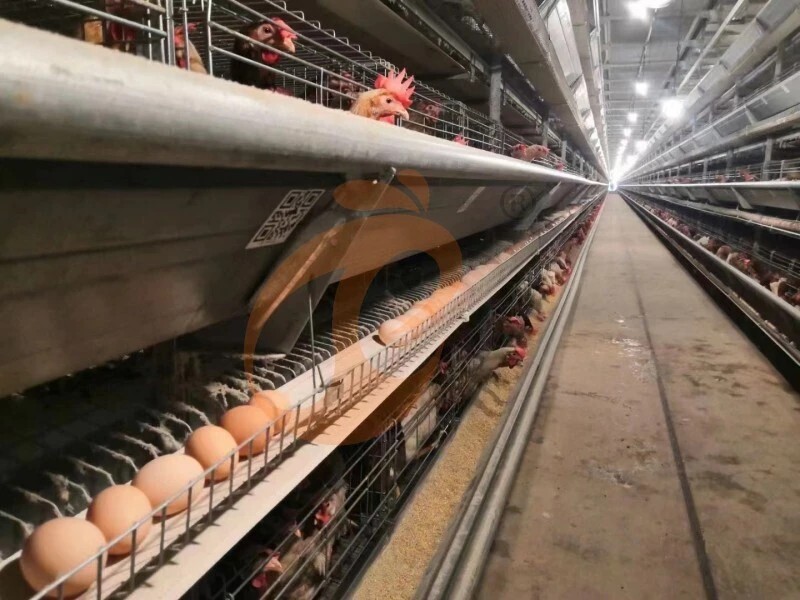
Automation should be evaluated according to actual farm needs, not only by the number of automated functions listed in a brochure. A farm with limited technical staff may prefer stable, easy-to-maintain mechanisms rather than overly complex controls. A larger enterprise with centralized management may place more emphasis on monitoring, uniform feeding, and integrated operation scheduling.
Common automated functions include feeding, drinking, egg collection, manure removal, and sometimes environmental control integration. Each function should be checked for daily usability. For example, feeding equipment should distribute feed evenly across cage rows and tiers. Drinking systems should provide sufficient access while minimizing leakage. Egg collection belts should move gently enough to reduce breakage. Manure removal systems should match the farm’s cleaning frequency, manure moisture condition, and disposal method.
For procurement teams evaluating long-term operating stability, Automatic H Frame Layer Battery Cage Systems can be assessed within a broader review of cage structure, automation reliability, installation conditions, operator training, maintenance routines, and supplier delivery capability.
Bird Welfare, Productivity, and Management Efficiency
Layer housing decisions directly influence bird behavior, feed access, water access, air movement, and inspection convenience. While regulatory requirements and market expectations vary by region, enterprises should still consider welfare-related design details because they can affect productivity and risk management. Appropriate cage space, smooth wire surfaces, secure doors, well-positioned troughs, and reliable drinking lines can reduce stress and help farm staff identify abnormal conditions earlier.
The relationship between equipment and production performance is practical rather than theoretical. If feed distribution is uneven, some birds may receive more feed while others receive less, which can influence flock uniformity. If drinking nipples leak, wet manure and higher ammonia may become more difficult to control. If egg collection is poorly aligned, cracked or dirty eggs may increase. These problems may appear small at first but can become costly when multiplied across thousands or tens of thousands of birds.
Good equipment should also make human management easier. Farm workers need to inspect birds, remove mortalities, monitor feed and water, respond to mechanical issues, and maintain hygiene routines. A system that looks efficient on paper but makes daily inspection difficult may create hidden management risk. Buyers should ask how staff will access each row and tier, how maintenance points are reached, and how emergency interruptions are handled.
Key Evaluation Criteria for Procurement Teams
Total Cost of Ownership Matters More Than Unit Price
Many buyers begin with a price comparison, but the lowest initial quotation is not always the most economical choice. A housing system usually serves the farm for many years, so total cost of ownership should include installation, building modification, energy consumption, labor savings, maintenance, spare parts, downtime risk, feed waste, egg damage, and service support.
A cheaper system may appear attractive when budgets are tight, yet weak components or poor alignment can increase maintenance frequency. If egg belts require frequent adjustment or manure belts fail during production, the cost of labor and lost efficiency can exceed the initial savings. On the other hand, a highly advanced system may not be suitable if the farm lacks trained technicians or stable power conditions. The best choice is normally the system that matches the buyer’s operating environment and management capacity.
Distributors should pay special attention to this issue because their reputation depends on end-user satisfaction. When supplying equipment to different markets, they may need to consider local climate, farm scale, operator skill level, spare parts logistics, and installation resources. A product configuration that works well in one region may require adjustment in another.
Installation, Commissioning, and Training
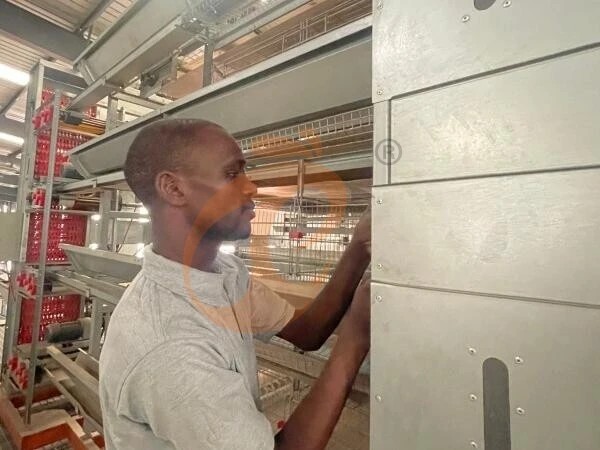
Installation quality can determine whether a technically sound system performs as expected. Even durable equipment may face operational problems if cage rows are not level, belts are not properly tensioned, motors are incorrectly positioned, or water pressure is not adjusted. Before placing an order, buyers should clarify who is responsible for installation, what technical drawings will be provided, and what site conditions must be prepared.
Commissioning is equally important. Feeding systems should be tested for even distribution. Drinking systems should be checked for leakage and consistent flow. Egg collection belts should be observed under realistic operating conditions. Manure belts should be tested to ensure smooth movement without deviation. These checks are not merely formal steps; they reduce the chance of production disruption after birds are placed in the house.
Training should cover both routine operation and troubleshooting. Farm staff need to know how to start and stop systems safely, adjust equipment, identify early signs of wear, clean key components, and respond to unexpected problems. Written manuals, maintenance schedules, and practical demonstrations can all help improve long-term operation.
Common Purchasing Mistakes to Avoid
- Comparing only cage capacity: Bird capacity is important, but buyers should also review access, ventilation, manure removal, feeding uniformity, and management convenience.
- Ignoring building compatibility: Poultry house width, length, height, floor strength, air inlet design, and equipment access routes can affect the final configuration.
- Underestimating spare parts needs: Belts, motors, nipples, connectors, and other wear parts should be available within a reasonable time frame.
- Overlooking local operating conditions: Climate, dust level, humidity, electricity stability, and water quality can influence equipment performance and maintenance frequency.
- Choosing automation without training: Automated equipment still requires skilled operators, regular inspection, and disciplined maintenance.
Scenario-Based Selection Advice
For expanding family-owned layer farms, the priority is often a balance between capacity growth and manageable operation. These buyers may benefit from configurations that reduce labor intensity but remain simple enough for daily maintenance by a small team. Clear manuals, accessible spare parts, and straightforward controls can be more valuable than advanced features that are rarely used.
For large commercial farms, standardization becomes more important. Enterprises operating multiple houses may focus on uniform cage dimensions, consistent automation performance, centralized maintenance routines, and easier staff training. They may also evaluate whether the supplier can support phased construction, future expansion, and consistent equipment quality across batches.
For distributors and project contractors, flexibility is essential. Their customers may have different building conditions, budgets, and production goals. A supplier that can provide technical drawings, configuration options, installation guidance, and practical troubleshooting support may reduce project risk. Distributors should also assess packaging, transportation efficiency, and documentation quality because these factors affect delivery and installation outcomes.
Practical Questions Before Final Approval
- Does the proposed system fit the poultry house dimensions, ventilation plan, manure handling route, and egg collection workflow?
- Are the frame, cage mesh, feeding system, drinking system, egg belts, and manure belts specified clearly enough for technical comparison?
- What installation support, commissioning guidance, and operator training are included?
- How quickly can spare parts be supplied, and which parts are most likely to require replacement during normal use?
- Can the system be maintained by the farm’s current staff, or will additional technical training be required?
- How will equipment performance be affected by local water quality, power supply, humidity, temperature, and cleaning practices?
Conclusion
Automated H-frame layer housing systems can support higher space utilization, improved labor efficiency, and more standardized farm operations, but the purchasing decision requires careful technical and operational review. Buyers should look beyond the initial quotation and examine structural strength, material durability, automation reliability, farm compatibility, installation quality, and after-sales support.
For procurement personnel, business evaluators, enterprise decision makers, and distributors, the most reliable decision process is one that connects equipment specifications with real farm conditions. A suitable system should not only house birds efficiently, but also support practical management, reduce avoidable downtime, and provide a stable foundation for long-term egg production.
Related Intelligence
- Poultry Housing & CagingHow Cage Specifications Affect Poultry Housing Costs in NigeriaLocally made poultry cage price in Nigeria: compare cage specifications, housing costs, durability, ventilation, manure systems, and installation factors for smarter poultry investment.
- Poultry Housing & CagingWhat Determines Battery Cage Prices in Nigeria Beyond Bird Capacity?Battery cage price in Nigeria depends on more than capacity. Compare steel, automation, logistics, and installation scope for a smarter poultry investment.
- Poultry Housing & CagingBuilding a Poultry Farm Equipment Solution Around Flock Size and LayoutPoultry farm equipment solution planning for flock size and layout—optimize feeding, water, ventilation, automation, and future expansion.
The Morning Broadsheet
Daily chemical briefings, market shifts, and peer-reviewed summaries delivered to your terminal.
