

The Authority in Global Agricultural Chemistry & Bio-Resources
SIH Bankruptcy Exposes Credit Risk for Feeding & Watering Systems Exporters
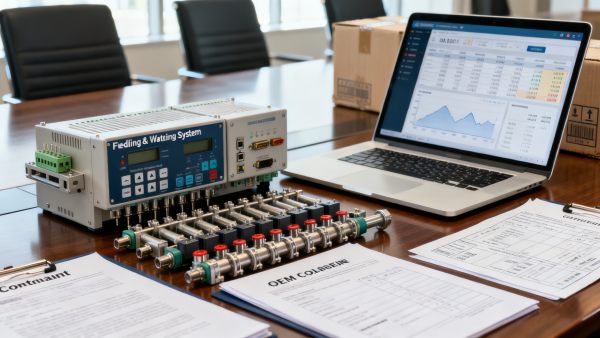
The timing of the underlying trading exposure is not clearly specified in the provided information, but one point is clear: SIH, a major U.S. home textile wholesaler, filed for bankruptcy protection in June 2026 with liabilities exceeding US$100 million, leaving Chinese suppliers with more than US$10 million in unpaid receivables. For exporters involved in OEM supply that includes Feeding & Watering Systems components, this development deserves close attention because it highlights how extended payment terms and low-asset distribution models can turn routine export business into concentrated credit risk.
What the confirmed information shows
According to the provided summary, SIH entered bankruptcy protection in June 2026 and reported liabilities of more than US$100 million. Among its top 30 unsecured creditors, half were Chinese companies, with unpaid amounts exceeding US$10 million in total.
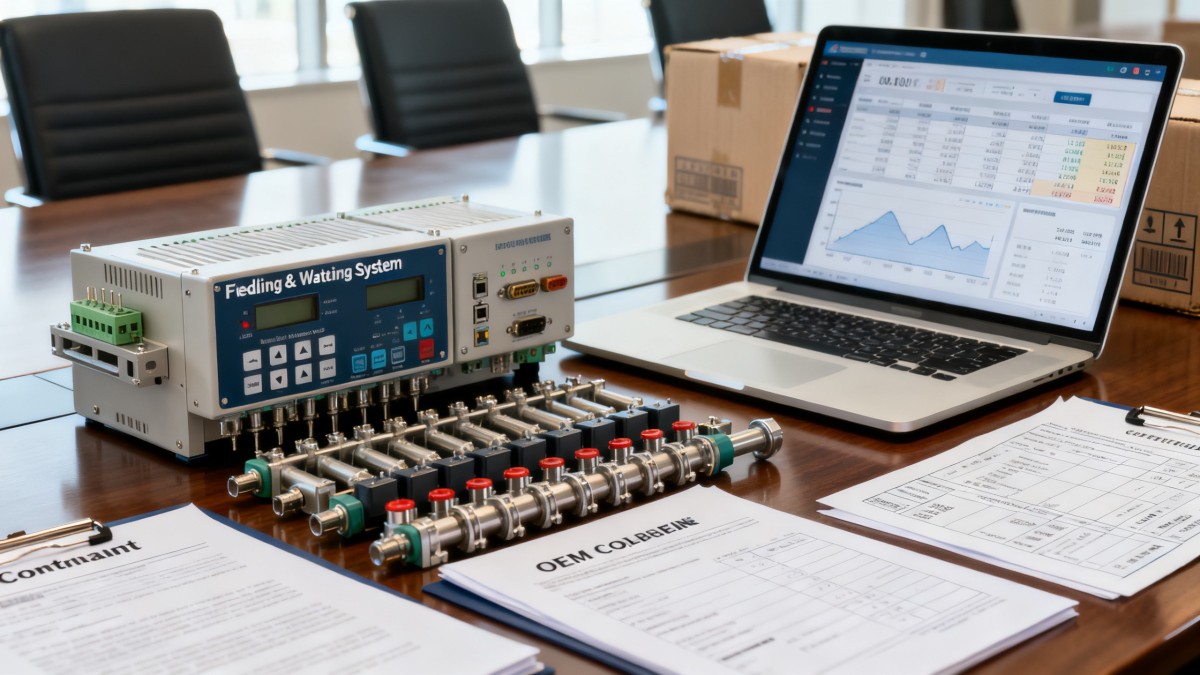
The same information indicates that SIH had long sourced OEM products containing Feeding & Watering Systems components, including smart feeding controllers and waterline disinfection modules. The case therefore extends beyond a single buyer default and directly involves exporters supplying related assemblies and modules into the U.S. market.
The confirmed facts also indicate that the incident exposed a specific type of buyer-side risk: U.S. asset-light distributors operating with an inventory-light or no-inventory ordering model, long payment cycles, and limited asset backing.
Where the pressure may appear across the supply chain
Exporters shipping OEM assemblies face receivables concentration risk
From an industry perspective, companies exporting finished or semi-finished OEM products linked to Feeding & Watering Systems may be affected first through delayed or unrecoverable accounts receivable. The key pressure point is not only shipment execution, but also the commercial structure behind shipments, especially when sales rely on long credit terms to a small number of U.S. distributors.
Component manufacturers may feel the impact indirectly
Manufacturers of items such as smart feeding controllers and waterline disinfection modules may not always contract directly with the overseas buyer, but they can still be exposed through reduced orders, disrupted payment flows, or cautious restocking by OEM customers. What deserves closer attention is whether upstream suppliers are effectively financing downstream credit risk without formal protection.
Trading and channel businesses need to reassess distributor quality
For trading companies and channel-focused exporters, the issue is not simply whether a buyer is large, but whether its operating model leaves enough financial support behind open-account purchases. Observably, distributors that place orders without carrying much inventory can expand quickly, yet that same structure may weaken supplier recovery prospects when repayment problems emerge.
Supply chain service providers may see higher documentation demands
Service providers involved in export documentation, payment arrangements, and trade risk support may face greater scrutiny from clients seeking stronger safeguards. The practical impact is likely to center on how payment security, credit review, and transaction evidence are prepared before shipment rather than after a dispute appears.
What companies should review now
Recheck buyer credit beyond order volume
Analysis shows that exporters should pay closer attention to whether a buyer's business model depends heavily on long payment cycles without meaningful asset support. Large purchase volumes alone do not reduce risk if the buyer's operating structure offers limited protection to unsecured suppliers.
Compare open-account exposure with secured payment tools
The provided information specifically points to the need for a combined risk-control approach using letters of credit and credit insurance. In practice, this means companies should review whether current exposure is overly dependent on unsecured post-shipment collection and whether transaction terms match the credit profile of the buyer.
Strengthen transaction records and claim readiness
For suppliers already working with asset-light distributors, it is worth reviewing contract terms, shipping documents, acceptance records, and communication trails tied to delivery and payment. Analysis shows that disciplined documentation becomes more important when suppliers rank as unsecured creditors.
Watch category-specific exposure in OEM programs
Businesses supplying OEM products that incorporate Feeding & Watering Systems modules should examine which product lines, customers, and accounts depend on similar distributor models in the U.S. market. The issue is not limited to one bankruptcy filing; it is also about whether the same commercial pattern exists elsewhere in the customer portfolio.
Why this matters beyond one bankruptcy case
Observably, this case should not be read only as an isolated payment dispute. It points to a broader warning signal around selling to asset-light distributors under long credit terms, particularly when suppliers remain unsecured and buyer inventory is thin. That said, the current information does not establish a wider market outcome on its own.
It is more appropriate to understand this as a structural risk signal rather than proof of a full sector shift. The immediate fact is one bankruptcy and one set of unpaid claims; the industry-level implication is that exporters may need to rethink how they evaluate distributor strength in the U.S. market.
How to read the current signal
The industry significance of this development lies less in the identity of a single failed buyer and more in the credit model it represents. For Feeding & Watering Systems exporters and related OEM suppliers, the rational takeaway is to treat this as a reminder that sales growth, long payment terms, and low buyer asset backing can combine into material receivables risk.
At this stage, it is more appropriate to interpret the event as a development that warrants continued monitoring and tighter trade-credit controls, rather than as a basis for broad conclusions about all U.S. buyers or all export categories.
Basis of this article and what still needs verification
This article is based on the user-provided news title, the note that the event timing was not clearly specified, and the provided event summary. No specific official source link was included in the input, so any further use of this information should continue to verify details against relevant source types such as court or official filings, company disclosures, industry association information, authoritative media reporting, and other formal trade-related records where available.
What still merits follow-up is whether subsequent official disclosures, creditor-related updates, or transaction-specific documentation clarify recovery prospects, payment ranking, or any further implications for exporters supplying comparable OEM categories.
Related Intelligence
- Feeding & Watering SystemsHow to Size Commercial Farm Feed Systems for Herd Capacity and Feed FlowFarm commercial feed systems: learn how to size storage, conveyors, and feed flow for herd capacity, peak demand, resilience, and efficient farm operations.
- Feeding & Watering SystemsSelecting a Nipple Drinking System for Broiler and Layer HousesNipple drinking system selection guide for broiler and layer houses: compare water flow, pressure control, flushing, durability, and installation needs.
- Feeding & Watering SystemsHow to Select Poultry Feeding Systems for Broiler Farms by Flock Size and Feed WasteFarm poultry feeding systems: learn how to match feeder design to broiler flock size, reduce feed waste, improve uniformity, and control lifecycle costs.
The Morning Broadsheet
Daily chemical briefings, market shifts, and peer-reviewed summaries delivered to your terminal.
