

The Authority in Global Agricultural Chemistry & Bio-Resources
Poultry Farm Systems Maintenance Checklist: What to Inspect Daily, Weekly, and Seasonally
Poultry Farm Systems Maintenance Checklist: What to Inspect Daily, Weekly, and Seasonally
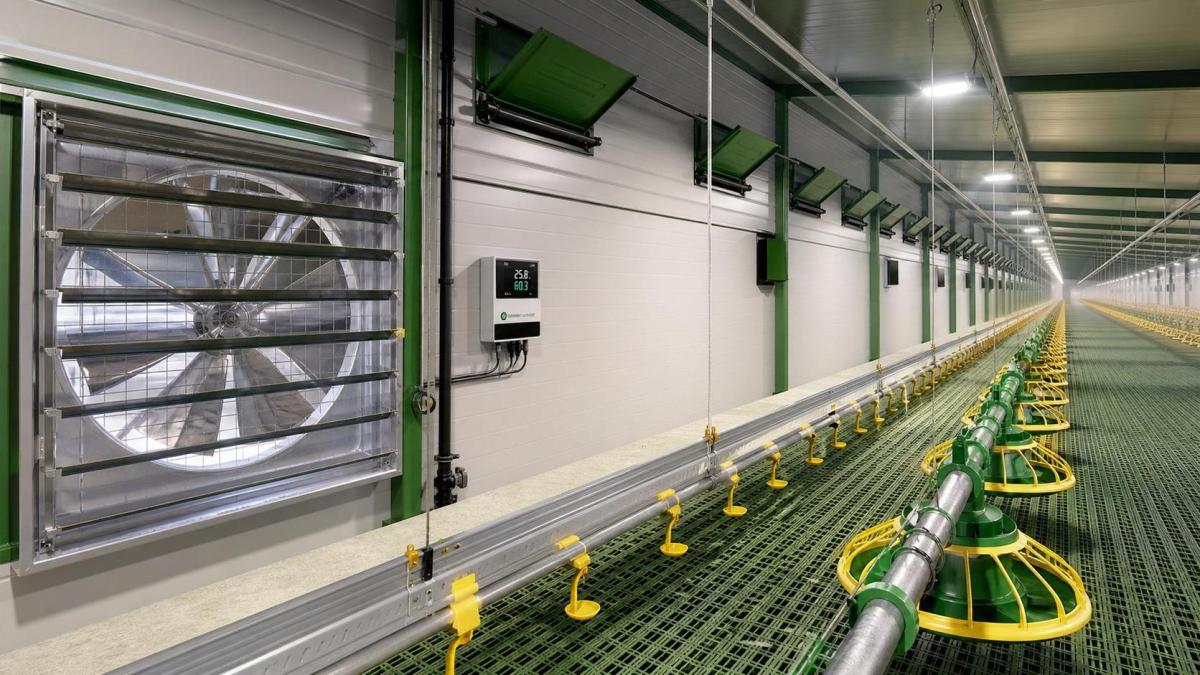
Effective poultry farm systems maintenance is the foundation of reliable ventilation, feeding, watering, and waste handling performance.
A clear inspection routine reduces unplanned downtime, protects flock health, and extends equipment life across demanding poultry environments.
In practice, most avoidable failures start small.
A blocked inlet, a drifting sensor, or a leaking nipple line can quietly become a flock-wide issue within hours.
That is why poultry farm systems maintenance should follow a time-based checklist, not a reactive repair mindset.
This guide breaks the work into daily, weekly, and seasonal inspections, with a focus on practical fault detection and service efficiency.
Why Poultry Farm Systems Maintenance Needs a Structured Routine
Poultry houses run as connected mechanical and environmental systems.
When one subsystem slips, other components usually work harder and wear faster.
For example, poor static pressure changes fan performance.
That shift can drive moisture buildup, uneven litter conditions, and stress around feed and water lines.
A structured poultry farm systems maintenance plan creates consistency across visits and sites.
It also improves service records, spare parts planning, and warranty decision-making.
More importantly, it helps technicians catch early warning signals before production losses become visible.
Daily Poultry Farm Systems Maintenance Checklist
Daily poultry farm systems maintenance should focus on fast checks with immediate operational impact.
These inspections are not deep service tasks.
They are short, repeatable checks that reveal change.
Ventilation and Climate Control
- Confirm all fans start, stop, and ramp correctly.
- Listen for bearing noise, belt slip, or blade imbalance.
- Check air inlets for full opening, smooth movement, and obstruction.
- Verify temperature, humidity, and pressure readings against actual house conditions.
- Look for condensation, stale zones, or uneven airflow near sidewalls.
If the numbers on the controller look normal but the house feels wrong, trust the mismatch and investigate.
Feeding Systems
- Inspect feed lines for uneven fill, dragging pans, or stalled augers.
- Check motors, gearboxes, and limit switches for heat or irregular cycling.
- Look for feed bridging in bins and poor feed flow at discharge points.
- Confirm pan height and line level match flock age and house layout.
Recent performance changes often show up first as uneven bird distribution around the line.
Watering Systems
- Inspect pressure regulators and verify stable line pressure.
- Walk nipple lines for leaks, clogged nipples, and wet spots below drinkers.
- Check medicator settings and confirm dosing equipment is clean and responsive.
- Review daily water consumption for sudden deviation from flock norms.
A subtle drop in water use can point to both equipment issues and flock stress.
Waste Handling and General House Condition
- Check manure belts, scrapers, or conveyors for alignment and buildup.
- Inspect litter moisture and ammonia-prone zones near drinkers and corners.
- Look for electrical faults, alarm events, and tripped breakers.
- Confirm backup power indicators are healthy and accessible.
Daily poultry farm systems maintenance works best when each check ends with a short note, not just a visual pass.
Weekly Poultry Farm Systems Maintenance Tasks
Weekly poultry farm systems maintenance goes deeper.
This is the right interval for cleaning, adjustment, and trend verification.
Drive Components and Moving Parts
- Inspect belts, chains, pulleys, and tensioners for wear and alignment.
- Lubricate approved points according to manufacturer intervals.
- Check fasteners, guards, and mounting brackets for movement.
- Measure motor current where abnormal load is suspected.
A weekly motor check can expose drag long before a shutdown happens.
Sensors, Controllers, and Alarms
- Clean sensor housings and remove dust from probes and controller vents.
- Compare sensor readings with handheld instruments.
- Test alarm outputs, communication links, and remote notifications.
- Review event logs for repeating faults, manual overrides, or unstable cycles.
More obvious failure is not the only concern.
Sensor drift can slowly distort the entire house environment without triggering an alarm.
Water Sanitation and Feed Delivery Accuracy
- Flush water lines where pressure loss, biofilm risk, or debris is present.
- Inspect filters and replace cartridges as needed.
- Verify feed scale accuracy and monitor delivery timing consistency.
- Check bin boots, seals, and transfer points for moisture intrusion.
Weekly poultry farm systems maintenance should always connect mechanical findings with flock behavior and consumption data.
Seasonal Poultry Farm Systems Maintenance Priorities
Seasonal poultry farm systems maintenance prepares the house for changing load, weather, and biosecurity pressure.
These inspections usually need more downtime and better scheduling.
Before Hot Weather
- Service tunnel fans, shutters, and evaporative cooling components.
- Descale pads, inspect pumps, and test water distribution uniformity.
- Verify generator capacity under full ventilation demand.
- Inspect roof insulation and heat load entry points.
Before Cold Weather
- Check heaters, gas lines, igniters, and safety shutoff devices.
- Seal air leaks around curtains, doors, and inlets.
- Calibrate minimum ventilation settings for stable air exchange.
- Inspect circulation fans for balanced mixing across the house.
Downtime Between Flocks
- Perform full cleaning of fans, motors, lines, controllers, and electrical panels.
- Replace worn bearings, damaged nipples, cracked hoses, and weak actuators.
- Test backup systems under load, not only by indicator status.
- Review maintenance logs and close recurring fault patterns.
Seasonal poultry farm systems maintenance is where long-term reliability is won or lost.
Common Warning Signs That Need Immediate Action
Some issues should move straight from inspection to corrective action.
In real service work, the faster response usually comes from pattern recognition, not from isolated readings.
How to Improve Poultry Farm Systems Maintenance Documentation
Good poultry farm systems maintenance depends on documentation that is simple enough to use every time.
A practical record should capture condition, action, and follow-up date.
- Record asset location and component identity clearly.
- Note readings before adjustment, not only final settings.
- Tag repeat issues for trend review during seasonal service.
- Link spare part use with failure cause whenever possible.
- Keep photo evidence for wear, leakage, corrosion, and wiring faults.
This also makes handover smoother between field teams, farm managers, and technical support staff.
Final Checklist for Reliable Operation
The best poultry farm systems maintenance routine is not the longest one.
It is the one that stays consistent across every house and every service cycle.
Daily checks catch operational drift.
Weekly work restores accuracy and stability.
Seasonal service protects the system before demand changes sharply.
When poultry farm systems maintenance is handled this way, equipment lasts longer, emergency visits drop, and flock conditions stay more predictable.
Use this checklist as a working standard, then refine it around local equipment, climate, and recurring fault history.
Related Intelligence
- Climate Control & VentilationHow to Specify Modular Control Panels for Poultry House Ventilation SystemsModular control panels for poultry ventilation: learn how to specify reliable I/O, sensors, alarms, variable-speed fans, and future-ready expansion.
- Climate Control & VentilationWhat Variable Speed Insights Matter Most When Optimizing Greenhouse Ventilation?Variable speed insights reveal how fan speed affects humidity, airflow, stability, and energy use in greenhouse ventilation. Learn what to adjust first for smarter, more reliable climate control.
- Climate Control & VentilationPoultry Ventilation for Broilers: How to Balance Airflow, Temperature, and Litter QualityPoultry ventilation for broilers made practical: learn how to balance airflow, temperature, humidity, and litter quality to improve flock health, growth, and house performance.
The Morning Broadsheet
Daily chemical briefings, market shifts, and peer-reviewed summaries delivered to your terminal.
