

The Authority in Global Agricultural Chemistry & Bio-Resources
Industrial Food Drying Oven Buying Guide: Capacity, Temperature Range, and Energy Use
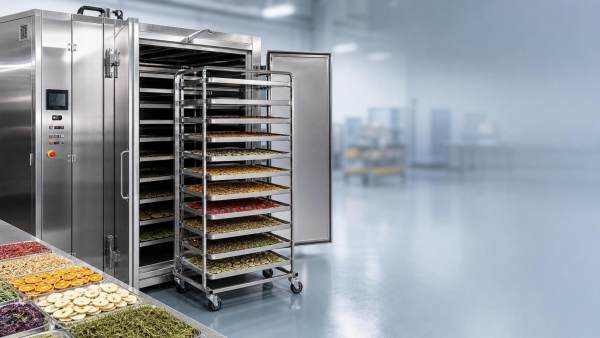
Industrial Food Drying Oven Buying Guide: Capacity, Temperature Range, and Energy Use
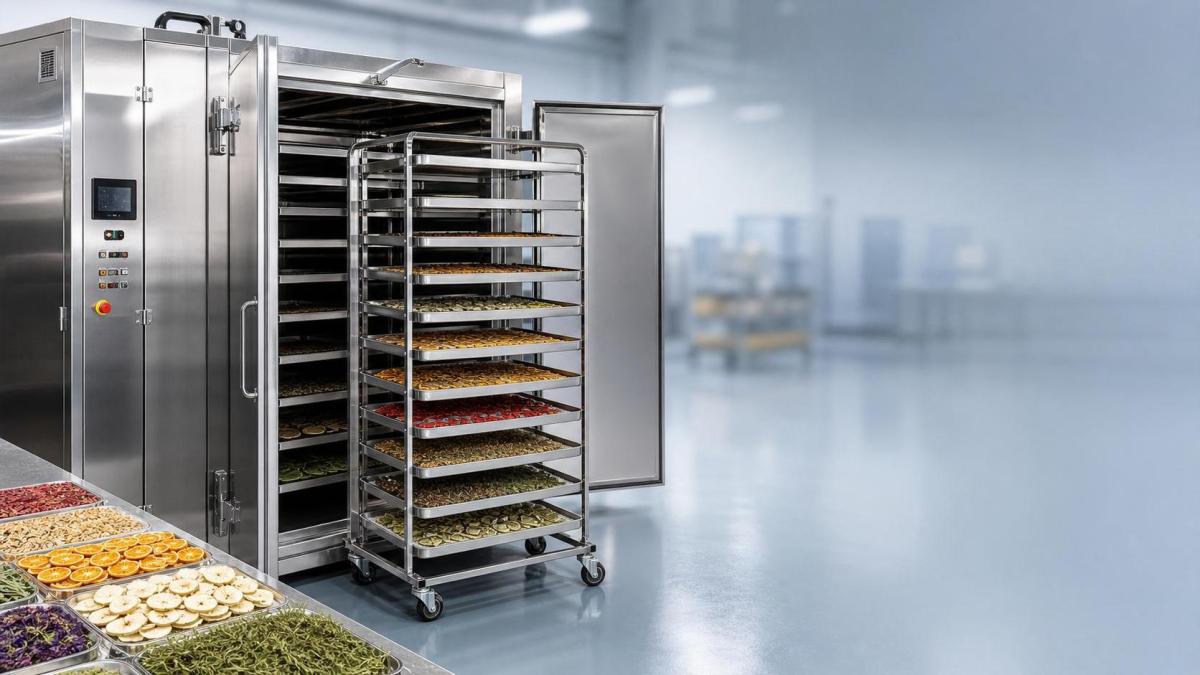
Choosing the right industrial food drying oven shapes product quality, operating cost, and daily throughput. A poor fit can create uneven moisture, excess energy use, and avoidable downtime.
For industrial buyers, the decision rarely comes down to price alone. Capacity, temperature range, airflow design, controls, and compliance all influence long-term value.
This guide explains how to compare an industrial food drying oven in practical terms. It focuses on purchase criteria that support reliable production and better procurement outcomes.
Start with Product and Process Requirements
Before comparing suppliers, define what the oven must dry. Different products respond very differently to heat, air velocity, humidity, and residence time.
Fruit slices, herbs, spices, seafood, grains, pet treats, and nutraceutical ingredients each have different moisture targets. That also means different oven configurations.
In real operations, procurement mistakes often start with incomplete process data. If the moisture profile is unclear, the selected industrial food drying oven may be oversized or underpowered.
- Define raw material type, batch size, and target final moisture.
- Record inlet moisture variation across seasons or suppliers.
- Confirm whether the process is batch or continuous.
- List cleaning, sanitation, and allergen-control requirements.
- Check whether color, aroma, texture, or nutrient retention is critical.
This first step saves time later. It also makes supplier quotations easier to compare on a like-for-like basis.
How to Size Capacity Correctly
Capacity is one of the most misunderstood specifications. Many buyers focus on tray count or chamber volume, but usable output matters more.
A larger industrial food drying oven is not always better. If loading density or airflow is wrong, extra chamber space may reduce drying consistency.
Start with required kilograms per hour or per batch. Then match this to evaporation load, product thickness, loading pattern, and cycle time.
Key capacity questions
- What is the planned daily production volume?
- What is the peak seasonal production requirement?
- How many hours per day will the oven run?
- Is there room for output growth over the next three years?
It is smart to allow moderate headroom. Still, too much spare capacity can increase capital cost, footprint, and energy waste.
Ask suppliers for real throughput under your product conditions. Rated capacity under ideal test conditions can look impressive but may not reflect plant reality.
Useful capacity comparison table
Evaluate Temperature Range and Control Precision
Temperature range matters, but precision matters just as much. Many food products need gentle drying rather than simply higher heat.
A suitable industrial food drying oven should cover your required temperature window without sacrificing uniformity. Wide specification ranges are only useful if control is stable.
For heat-sensitive ingredients, even small deviations can affect color, active compounds, flavor, or rehydration performance. That is especially relevant in high-value food and bio-ingredient processing.
What to verify
- Minimum and maximum operating temperature.
- Temperature uniformity across trays or zones.
- Control accuracy and sensor placement.
- Ramp, hold, and recipe programming functions.
- High-temperature safety cutoffs and alarms.
From a buying perspective, uniform airflow is closely tied to temperature performance. If one area runs hotter, drying results become uneven even when the display looks correct.
Ask for temperature mapping data, not only brochure specifications. Factory acceptance test records can reveal whether the industrial food drying oven performs consistently under load.
Look Beyond Power Rating to Real Energy Use
Energy use is often underestimated during sourcing. Nameplate power alone does not show actual operating cost.
A well-designed industrial food drying oven can reduce heat loss, shorten cycle times, and recover energy more effectively. Over a year, those gains can outweigh a higher purchase price.
Focus on energy consumed per kilogram of water removed or per kilogram of finished product. That metric is much more useful than installed kilowatts.
Energy features worth comparing
- Insulation thickness and door sealing quality.
- Recirculated air ratio and exhaust control.
- Variable-speed fans for airflow adjustment.
- Heat recovery or moisture exhaust optimization.
- Electric, steam, gas, or hybrid heating options.
Local utility prices will shape the final decision. In some plants, steam integration makes sense. In others, electric systems offer simpler control and lower maintenance.
Ask suppliers to estimate annual energy use using your production schedule. That makes total cost of ownership more realistic and easier to defend internally.
Check Airflow, Construction, and Hygiene Design
Airflow design is one of the biggest quality drivers in any industrial food drying oven. It affects drying uniformity, product appearance, and batch repeatability.
Horizontal or vertical airflow can both work well. The important question is whether the design matches the product geometry and loading pattern.
Construction quality matters too. Stainless steel contact surfaces, clean welds, and accessible interiors support sanitation and reduce contamination risk.
- Prefer food-grade contact materials and corrosion-resistant frames.
- Check whether trays, racks, and filters are easy to remove.
- Confirm cleaning access around fans, ducts, and drain points.
- Review door durability, hinges, seals, and latch design.
If sanitation is difficult, labor costs rise and line availability drops. In practice, easier cleaning often brings more value than a small upfront discount.
Do Not Overlook Compliance, Controls, and Service Support
For many facilities, compliance is a non-negotiable part of buying. The industrial food drying oven should align with food safety, electrical, and workplace requirements in the destination market.
That may include material certifications, temperature records, calibration routines, and documentation for audits. For some operations, digital traceability is becoming more important than before.
Supplier due diligence checklist
- Request technical drawings and utility requirements.
- Review certification, validation, and inspection documents.
- Confirm spare parts lead times and local service capacity.
- Ask about commissioning, operator training, and remote support.
- Check warranty scope for heaters, fans, controls, and sensors.
The more complex the control system, the more important after-sales support becomes. A sophisticated oven is only valuable when the plant team can keep it running smoothly.
Build a Smarter Comparison Framework
When several quotations look similar, a structured scorecard helps. It keeps the decision tied to production outcomes rather than presentation quality.
A practical comparison framework for an industrial food drying oven should balance technical fit, lifecycle cost, and supply risk.
This approach also supports internal approval. Stakeholders can see why one industrial food drying oven creates stronger value over its working life.
Final Buying Takeaway
The best industrial food drying oven is the one that fits your product, process, and cost structure without adding unnecessary complexity.
Start with accurate moisture and throughput data. Then compare temperature control, energy efficiency, airflow design, sanitation features, and service support in equal detail.
In a careful sourcing process, short-term price becomes only one part of the picture. Long-term consistency, utility savings, and operational reliability usually matter more.
If you are preparing a new purchase round, build a supplier checklist now, request performance data under load, and compare every industrial food drying oven on total value, not claims alone.
Related Intelligence
- Climate Control & VentilationHow to Specify Modular Control Panels for Poultry House Ventilation SystemsModular control panels for poultry ventilation: learn how to specify reliable I/O, sensors, alarms, variable-speed fans, and future-ready expansion.
- Climate Control & VentilationWhat Variable Speed Insights Matter Most When Optimizing Greenhouse Ventilation?Variable speed insights reveal how fan speed affects humidity, airflow, stability, and energy use in greenhouse ventilation. Learn what to adjust first for smarter, more reliable climate control.
- Climate Control & VentilationPoultry Ventilation for Broilers: How to Balance Airflow, Temperature, and Litter QualityPoultry ventilation for broilers made practical: learn how to balance airflow, temperature, humidity, and litter quality to improve flock health, growth, and house performance.
The Morning Broadsheet
Daily chemical briefings, market shifts, and peer-reviewed summaries delivered to your terminal.
