

The Authority in Global Agricultural Chemistry & Bio-Resources
India's BIS Mandates High-Temp/Humidity Testing for HVAC Equipment
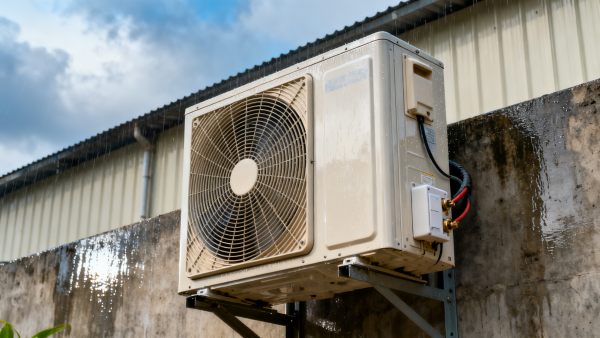
Effective May 11, 2026, the Bureau of Indian Standards (BIS) has enforced IS 17892:2026 — a new mandatory certification requirement for Climate Control & Ventilation (HVAC) equipment imported into or sold domestically in India. The regulation introduces stringent environmental reliability testing under high-temperature and high-humidity conditions, directly impacting supply chains, compliance timelines, and market access for global manufacturers — particularly those based in China.
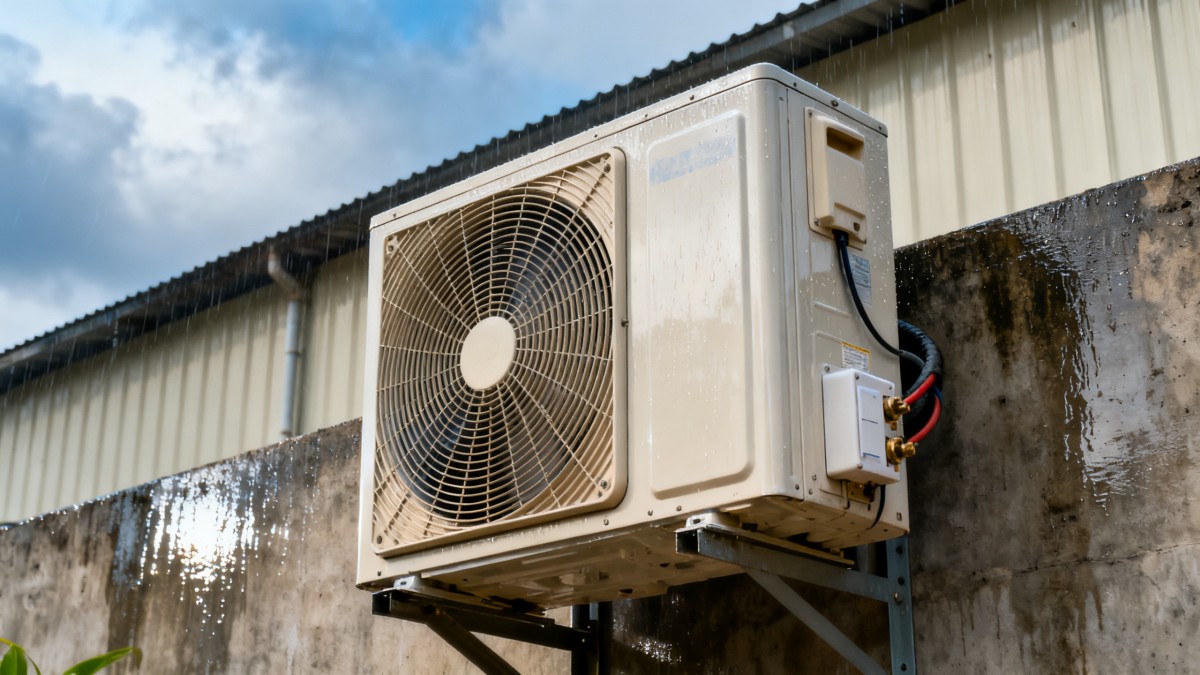
Event Overview
Starting May 11, 2026, all HVAC equipment placed on the Indian market must comply with IS 17892:2026. This standard mandates a 96-hour continuous environmental stress test at 40°C and 95% relative humidity. Certification under this standard is now a mandatory customs clearance prerequisite; non-compliant shipments will be rejected or returned at the port of entry.
Industries Affected
Direct Trading Enterprises: Exporters and distributors handling HVAC equipment for the Indian market face immediate operational disruption. Pre-clearance certification means shipment planning must now accommodate extended lab testing and BIS factory audits — leading to delays in order fulfillment and potential contract penalties if delivery windows are missed.
Raw Material Procurement Enterprises: Suppliers of critical components — such as moisture-resistant PCBs, corrosion-inhibited heat exchangers, and sealed motor assemblies — are seeing revised specification requests. Buyers increasingly require material-level validation data aligned with IS 17892:2026’s humidity exposure profile, shifting procurement from cost-driven to performance-verified sourcing.
Manufacturing Enterprises: Original Equipment Manufacturers (OEMs), especially Chinese HVAC producers exporting to India, must now integrate 96-hour accelerated aging tests into their internal quality gates. This adds both time and cost — notably, average time-to-market increases by 3–4 weeks per product line due to third-party lab scheduling and corrective iterations.
Supply Chain Service Providers: Customs brokers, certification consultants, and logistics integrators report rising demand for end-to-end BIS compliance support — including pre-audit gap assessments, test coordination with accredited labs (e.g., SGS, TÜV SÜD India), and documentation alignment with BIS Form VI and license renewal cycles. Service pricing and lead times are adjusting accordingly.
Key Focus Areas and Recommended Actions
Confirm Lab Accreditation Status Early
Only BIS-recognized laboratories may conduct the required 40°C/95%RH test. Companies should verify lab accreditation scope (e.g., whether it covers full-system vs. subassembly testing) before initiating validation — avoiding retesting due to invalid reports.
Align Factory Audit Readiness with Product Certification Timeline
BIS requires successful product testing before scheduling the mandatory factory inspection. Manufacturers should initiate internal process documentation updates (e.g., humidity control records, material traceability logs) concurrently with lab work — not after test completion.
Evaluate Product Design Resilience Beyond Minimum Requirements
While IS 17892:2026 specifies 96 hours, field experience in Indian coastal and tropical zones suggests longer-term degradation risks. Analysis shows that products passing only the minimum threshold often exhibit early condensation-related failures post-deployment — making extended stress profiling (e.g., 168-hour cycling) a prudent differentiator.
Editorial Insight / Industry Observation
Observably, this regulation reflects a broader shift in India’s conformity assessment strategy — away from prescriptive safety-only checks toward system-level environmental resilience. It is not merely a technical update but signals increasing regulatory emphasis on real-world durability, especially in climate-vulnerable markets. From an industry perspective, the 3–4 week delay cited in official guidance likely underestimates cumulative bottlenecks: lab capacity constraints, translation/localization of technical documentation, and regional variations in BIS field officer interpretation remain unresolved variables.
Conclusion
This requirement marks more than a procedural change — it redefines baseline market access criteria for HVAC in India. Rather than treating IS 17892:2026 as a one-time compliance hurdle, forward-looking enterprises are embedding its environmental logic across R&D, sourcing, and QA workflows. A rational reading suggests that adaptability — not just certification — will determine competitive positioning over the next 3–5 years.
Source Attribution
Official mandate published in the BIS Gazette Notification No. S.O. 1782(E), dated March 22, 2026; IS 17892:2026 full text available via the BIS e-Store (https://www.manakonline.in). Implementation timeline and enforcement protocols confirmed through BIS Regional Office circulars issued April 2026. Ongoing monitoring recommended for updates on accredited lab lists and transitional provisions for legacy stock — both subject to revision prior to May 2026.
Related Intelligence
- Climate Control & VentilationHow to Specify Modular Control Panels for Poultry House Ventilation SystemsModular control panels for poultry ventilation: learn how to specify reliable I/O, sensors, alarms, variable-speed fans, and future-ready expansion.
- Climate Control & VentilationWhat Variable Speed Insights Matter Most When Optimizing Greenhouse Ventilation?Variable speed insights reveal how fan speed affects humidity, airflow, stability, and energy use in greenhouse ventilation. Learn what to adjust first for smarter, more reliable climate control.
- Climate Control & VentilationPoultry Ventilation for Broilers: How to Balance Airflow, Temperature, and Litter QualityPoultry ventilation for broilers made practical: learn how to balance airflow, temperature, humidity, and litter quality to improve flock health, growth, and house performance.
The Morning Broadsheet
Daily chemical briefings, market shifts, and peer-reviewed summaries delivered to your terminal.
