

The Authority in Global Agricultural Chemistry & Bio-Resources
India BIS Enforces IS 17892:2026 for Climate Control Devices
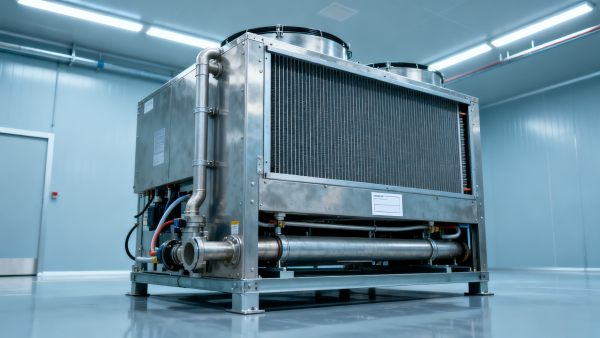
India’s Bureau of Indian Standards (BIS) announced on May 10, 2026, that from August 1, 2026, all imported climate control and ventilation equipment must comply with IS 17892:2026 — specifically passing a 72-hour operational test at 45°C and 95% relative humidity. This requirement directly affects manufacturers, exporters, and importers supplying HVAC&R products to the Indian market, particularly those based in tropical-climate-experienced supply chains such as China.
Event Overview
On May 10, 2026, the Bureau of Indian Standards (BIS) officially notified that, effective August 1, 2026, all imported climate control and ventilation equipment must undergo and pass the high-temperature, high-humidity performance test specified in IS 17892:2026 — 72 consecutive hours of operation at 45°C and 95% RH. A test report issued by a BIS-recognized laboratory is mandatory for market access. IS 17892:2026 replaces the previous IS 302 standard and introduces significantly stricter environmental resilience requirements tailored to India’s tropical conditions.
Industries Affected
Direct Trading Enterprises (Importers & Exporters)
These entities face immediate compliance risk: shipments arriving in India after August 1, 2026 without valid IS 17892:2026 test reports may be detained or rejected at customs. Impact manifests in delayed clearance, increased documentation burden, and potential contractual liability if delivery timelines are missed due to unanticipated testing lead times.
Original Equipment Manufacturers (OEMs), Especially Chinese-Based
OEMs supplying climate control and ventilation units to Indian importers must now validate product design against tropical operational stress. The 45°C/95%RH test stresses components including motors, insulation, condensate management systems, and electronic controls. Failure to pass implies redesign or component-level qualification — both adding cost and time to pre-market preparation.
Supply Chain & Certification Service Providers
Laboratories accredited by BIS for IS 17892:2026 testing are limited in capacity and geographic distribution. Demand for testing slots is expected to rise sharply ahead of the August deadline. Service providers offering test coordination, report translation, and BIS liaison support will see increased workload — but only if they maintain up-to-date BIS recognition status for this specific standard.
Key Focus Areas and Recommended Actions
Monitor official BIS communications for implementation clarifications
While the effective date (August 1, 2026) and core test requirement are confirmed, BIS has not yet published detailed guidance on acceptable test report formats, sample size requirements, or transitional arrangements for pending consignments. Stakeholders should track updates via the BIS website and official gazette notifications.
Prioritize testing for high-volume and high-risk product categories
Not all climate control devices carry equal thermal/hygrometric load. Units with enclosed electronics, non-ventilated enclosures, or passive condensate drainage mechanisms are more likely to fail the 45°C/95%RH test. Exporters should identify these categories first and allocate testing resources accordingly.
Distinguish between regulatory signal and operational readiness
The May 10 notification is an enforceable regulation, not a draft proposal. However, actual enforcement rigor — e.g., whether customs officers routinely verify test reports at entry points or rely on importer self-declaration — remains subject to field-level interpretation. Businesses should assume full verification unless official exemptions are published.
Initiate lab engagement and sample submission well before July 2026
BIS-recognized labs typically require 4–6 weeks for test scheduling, execution, reporting, and report validation. Given rising demand, securing test slots before mid-July 2026 is advisable. OEMs should also confirm whether their chosen lab is explicitly authorized for IS 17892:2026 (not just general electrical safety standards).
Editorial Perspective / Industry Observation
Observably, IS 17892:2026 signals a strategic shift in India’s technical regulation framework — from generic electrical safety (as under IS 302) toward climate-specific functional reliability. Analysis shows this is less about harmonization with international norms and more about de facto localization of performance expectations for tropical deployment. It is currently best understood as an operational threshold, not merely a policy signal: compliance is verifiable, enforceable, and tied to physical product behavior under defined stress conditions. The broader implication is that future Indian standards for building services equipment may increasingly embed environmental duty-cycle validation — making pre-compliance testing a structural part of export planning rather than a one-off certification step.
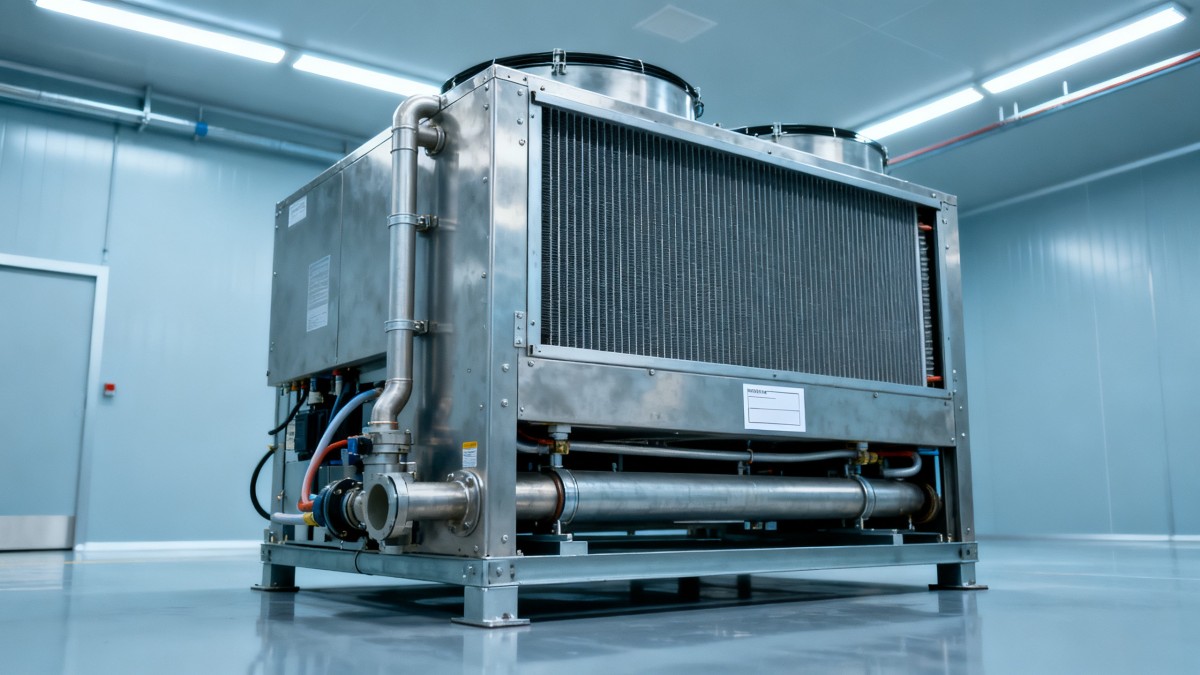
In summary, IS 17892:2026 establishes a concrete, time-bound technical barrier for climate control and ventilation equipment entering India. Its significance lies not in novelty alone, but in its enforceability, specificity, and direct linkage to real-world operating conditions. Current understanding should treat it as a binding operational requirement — not a provisional guideline — requiring proactive validation, not reactive response.
Source: Bureau of Indian Standards (BIS), Official Notification dated May 10, 2026. Note: Implementation details such as lab accreditation lists, report format templates, and enforcement protocols remain under active monitoring and are subject to further official publication.
Related Intelligence
- Climate Control & VentilationHow to Specify Modular Control Panels for Poultry House Ventilation SystemsModular control panels for poultry ventilation: learn how to specify reliable I/O, sensors, alarms, variable-speed fans, and future-ready expansion.
- Climate Control & VentilationWhat Variable Speed Insights Matter Most When Optimizing Greenhouse Ventilation?Variable speed insights reveal how fan speed affects humidity, airflow, stability, and energy use in greenhouse ventilation. Learn what to adjust first for smarter, more reliable climate control.
- Climate Control & VentilationPoultry Ventilation for Broilers: How to Balance Airflow, Temperature, and Litter QualityPoultry ventilation for broilers made practical: learn how to balance airflow, temperature, humidity, and litter quality to improve flock health, growth, and house performance.
The Morning Broadsheet
Daily chemical briefings, market shifts, and peer-reviewed summaries delivered to your terminal.
