

The Authority in Global Agricultural Chemistry & Bio-Resources
Agri and Forestry: What Slows Equipment Upgrades More Than Budget
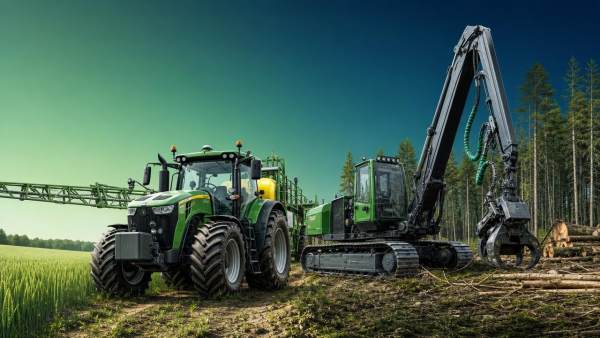
Agri & Forestry modernization is being delayed by operational friction, not just capital
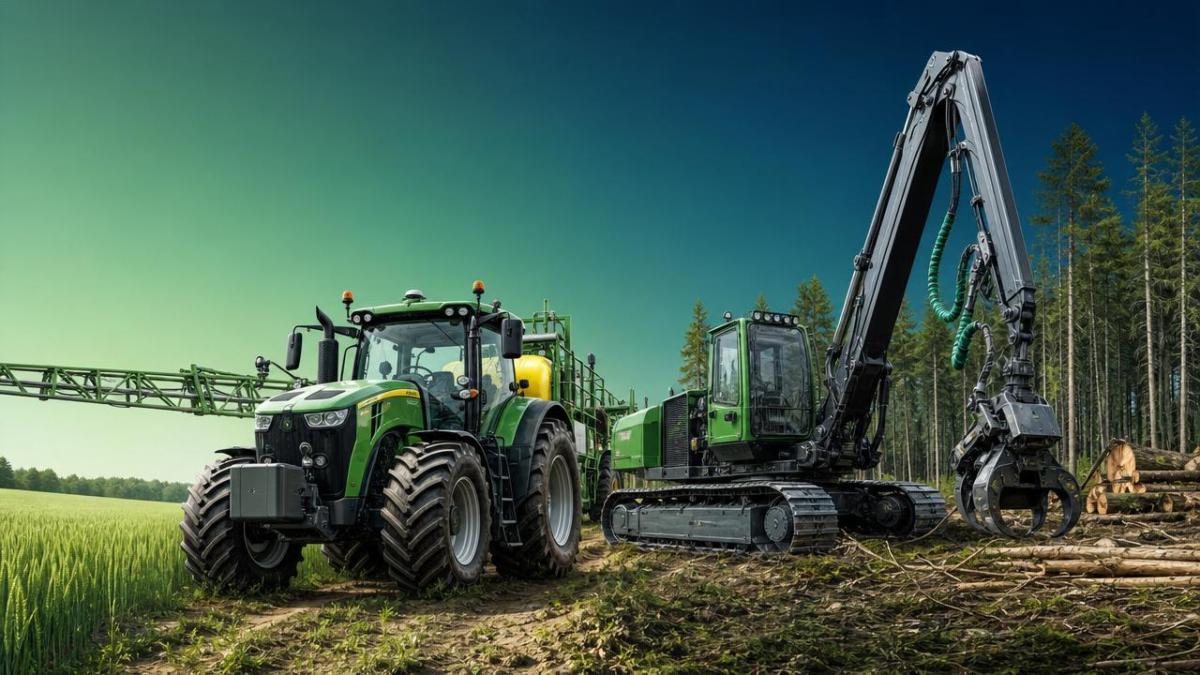
In Agri & Forestry, delayed equipment upgrades are often blamed on budget, but capital is rarely the only barrier.
Modern fleets now sit inside tighter compliance systems, digital workflows, and volatile service networks.
That changes how upgrade decisions are made.
A new harvester, forwarder, sprayer, or precision tractor may look productive on paper.
Yet the real question is whether the wider operation can absorb that change without adding new risk.
For Agri & Forestry operators, equipment renewal now depends on integration readiness, regulatory certainty, parts continuity, and workforce capability.
When those conditions are weak, even well-funded projects are delayed.
This matters across the wider industrial landscape.
Food supply, timber flows, biomass processing, and fine chemical feedstock chains all depend on field and forest productivity.
Understanding what really slows Agri & Forestry upgrades helps reduce downtime, avoid stranded investments, and improve long-term resilience.
The upgrade environment has changed faster than many asset strategies
Five years ago, many replacement cycles focused on age, fuel use, and financing cost.
Today, Agri & Forestry equipment decisions are shaped by connected sensors, telematics platforms, emissions rules, and remote service expectations.
This creates a more complex threshold for action.
An upgrade is no longer a simple machine swap.
It often means adapting software, retraining operators, validating data flows, and confirming spare parts access across multiple seasons.
In Agri & Forestry, this broader risk envelope can outweigh the sticker price.
Another shift is timing pressure.
Weather volatility, labor scarcity, and tighter harvest windows make uptime more valuable than ever.
That sounds like a reason to upgrade faster.
In practice, it can make organizations more cautious.
If a new machine introduces unexpected calibration issues or software faults, the cost of disruption can exceed the gains from modernization.
What slows Agri & Forestry equipment upgrades more than budget
The barriers are usually structural rather than financial.
They sit between the machine, the workforce, the regulator, and the supply chain.
Compliance risk has become a first-order decision factor
Agri & Forestry equipment now operates under stronger scrutiny around emissions, soil impact, chemical application accuracy, and land management reporting.
If a machine configuration fails local requirements, the issue is not theoretical.
It can affect insurability, subsidy eligibility, and contract performance.
Serviceability often matters more than specification
A machine with excellent field performance still becomes a liability if components are backordered or technicians are unavailable.
This is especially true in Agri & Forestry environments with short operating windows and remote locations.
Digital capability can create a paradox
Telematics, mapping, dosing controls, and predictive diagnostics promise efficiency.
But they also raise questions about data ownership, cybersecurity, interoperability, and software support cycles.
Without clear answers, Agri & Forestry upgrades are postponed.
These constraints affect more than field operations
The impact spreads across upstream and downstream business functions.
That is why Agri & Forestry equipment strategy belongs in wider operational planning.
- Production planning becomes less reliable when replacement timing keeps slipping.
- Maintenance teams face rising pressure to keep aging fleets productive.
- Compliance teams carry more reporting burden when older systems lack traceable data outputs.
- Financial forecasting weakens when utilization and downtime assumptions become unstable.
- Supply chain partners absorb volatility when harvest, haulage, or forestry extraction performance fluctuates.
In integrated value chains, delayed Agri & Forestry upgrades can also affect feedstock quality and delivery consistency.
That matters for grain processors, bio-based ingredient producers, pulp operations, and fine chemical intermediates linked to crop inputs.
The strongest upgrade cases now start with readiness, not replacement age
Aging equipment still matters, but readiness is the better predictor of successful modernization.
The most resilient Agri & Forestry upgrade programs test operational fit before approving full rollout.
Key areas to examine before moving forward
- Regulatory fit across target operating regions and land-use categories
- Spare parts lead times for critical wear items and electronic modules
- Training requirements for operators, supervisors, and service personnel
- Integration needs with ERP, fleet software, GIS, and traceability systems
- Fuel, power, or charging infrastructure where alternative drive systems are involved
- Seasonal deployment risk if a pilot fails during a narrow production window
This approach reduces the chance of buying technically advanced equipment that cannot perform at enterprise scale.
A practical response framework for Agri & Forestry upgrade decisions
A phased method usually works better than a full fleet shift.
It creates evidence, lowers disruption, and improves internal confidence.
What should be monitored during the pilot
- Actual uptime versus promised uptime
- Operator error frequency during peak activity
- Data accuracy across mapping, yield, or treatment records
- Repair response times and parts fill rates
- Net return under realistic seasonal conditions
Where Agri & Forestry leaders should focus next
The smartest next step is not always immediate replacement.
It is building a clearer evidence base around where delay creates the highest operational exposure.
Start by identifying machines that combine three traits: recurring downtime, weak compliance visibility, and poor service certainty.
Then compare those assets against digital readiness, training capacity, and support coverage.
In Agri & Forestry, this sequence often reveals that the biggest obstacle is not affordability.
It is system preparedness.
For organizations operating across regulated supply chains, that distinction is critical.
It turns equipment planning from a capital purchase discussion into a resilience strategy.
A disciplined Agri & Forestry upgrade roadmap should therefore answer four questions before any major order is placed.
- Will the equipment remain compliant across its full operating life?
- Can the organization support it with parts, skills, and software continuity?
- Will the data it generates improve decisions rather than create new silos?
- Is the return measurable under real field or forestry conditions?
If those answers are strong, investment can move faster and with less risk.
If they are weak, delaying the purchase may be the most efficient decision.
That is the real lesson shaping Agri & Forestry upgrades today.
Related Intelligence
- Heavy Agri MachineryMachinery Supplier Verification: A Due-Diligence Checklist for Overseas BuyersMachinery supplier verification made practical: use this due-diligence checklist to assess quality, compliance, export readiness, and after-sales support before buying overseas.
- Heavy Agri MachineryHow to Assess Heavy Agricultural Machinery Producers for Dealer Support and Parts AvailabilityHeavy agricultural machinery producers: learn how to assess dealer expertise, critical parts availability, service response, and downtime risk before you buy.
- Heavy Agri MachineryCan Agricultural Equipment Be Retrofitted for Precision Agriculture?Can agricultural equipment be retrofitted for precision agriculture? Discover practical upgrades, compatibility checks, costs, and smarter ways to boost farm efficiency.
The Morning Broadsheet
Daily chemical briefings, market shifts, and peer-reviewed summaries delivered to your terminal.
