

The Authority in Global Agricultural Chemistry & Bio-Resources
Which Agri and Forestry Machinery Specs Affect Field Performance Most
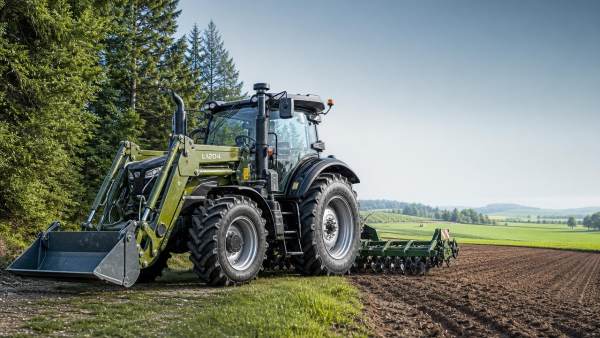
For technical evaluators, comparing Agri & Forestry machinery specifications is not just about horsepower or price—it is about predicting real field performance, lifecycle efficiency, and compliance under demanding operating conditions. From engine output and hydraulic capacity to implement compatibility, traction, and durability, the right specifications determine whether machinery delivers measurable productivity gains across agricultural and forestry applications.
Why do Agri & Forestry machinery specifications matter more than brochure claims?
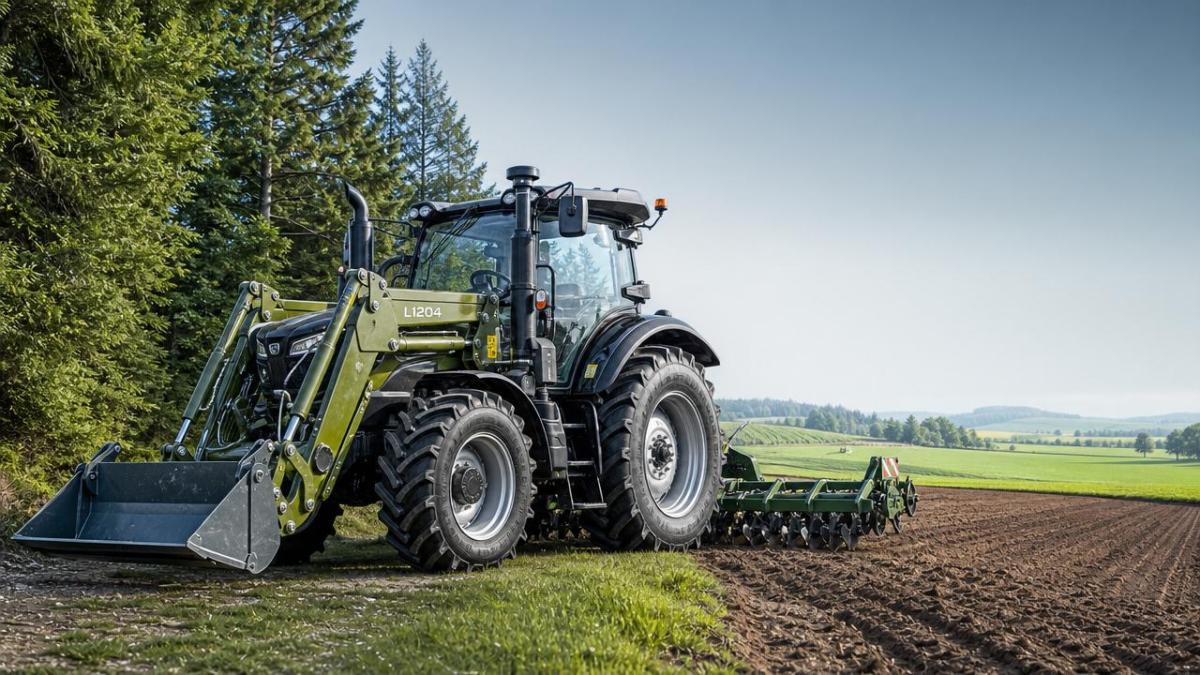
In real procurement work, Agri & Forestry machinery specifications function as the closest proxy for expected field output, operating stability, and maintenance burden. Marketing language may describe a machine as robust or versatile, but technical evaluators need measurable values that translate into draft force, lifting ability, fuel use, uptime, and soil interaction.
This is especially true in mixed primary industries, where machines are expected to support row-crop cultivation, land preparation, timber handling, roadside vegetation management, and material movement across variable terrain. A specification sheet becomes useful only when each value is read against application conditions, operator behavior, and implement demand.
AgriChem Chronicle approaches Agri & Forestry machinery specifications through the same discipline used in regulated industrial sourcing: evaluate the data, verify the operating context, and connect technical parameters with risk. That method helps procurement teams avoid under-specifying machines that fail in the field or over-specifying units that inflate capital and service costs.
- A high engine horsepower rating means little if usable PTO power, torque reserve, and cooling performance are weak under sustained load.
- A large hydraulic flow figure is less valuable if pressure, valve configuration, and implement compatibility do not match the work cycle.
- A heavy chassis may improve traction in forestry, but it can also increase soil compaction in agricultural applications.
Which core specifications affect field performance most?
Technical evaluators often ask which Agri & Forestry machinery specifications deserve the highest weighting in a scoring model. The answer depends on task intensity, terrain, implement load, duty cycle, and service environment. Still, a small set of parameters repeatedly determines whether a machine performs reliably or becomes an operational bottleneck.
The table below summarizes the specifications that most directly influence field performance in both agricultural and forestry settings, and it shows how each one should be interpreted during evaluation.
The key lesson is that no single specification predicts performance on its own. Agri & Forestry machinery specifications should be read as an interdependent system. An evaluator who compares hydraulic output without checking transmission ratios, ballast options, tire configuration, and implement mass may miss the actual limiting factor.
How engine and drivetrain data should be interpreted
Rated horsepower is a starting point, not a decision endpoint. In heavy tillage, chipping, forestry mulching, or loaded extraction, torque rise and power retention under thermal stress are often more relevant than headline power. Machines that hold output in dusty, high-load conditions usually outperform machines that look stronger only at rated test points.
Transmission selection also shapes real productivity. Powershift, CVT, hydrostatic, and mechanical systems each suit different work patterns. Frequent loader work and variable forestry movement may favor fine speed control, while sustained drawbar work may prioritize transmission efficiency and durability.
Why hydraulics often decide implement productivity
For many attachments, insufficient hydraulic flow produces a direct productivity penalty. Boom response slows, cycle times lengthen, and attachment functions become inconsistent. Technical evaluators should distinguish between total pump flow, implement-available flow, and whether the machine can maintain pressure and oil temperature during repeated duty.
How do application scenarios change which specifications matter most?
A machine that performs well in broadacre agriculture may not be suitable for forest edges, plantations, steep haul paths, or mixed-use estates. The importance of Agri & Forestry machinery specifications shifts with terrain, traction demand, debris exposure, operator hours, and attachment changes.
The scenario matrix below helps technical evaluators align key specifications with actual work profiles rather than generic machine categories.
This comparison shows why technical evaluation should begin with workload mapping. Procurement errors often happen when buyers compare machines within the same power band but ignore that their work cycles are fundamentally different. One machine may excel at drawbar work, while another delivers superior attachment versatility and lower idle losses.
Agricultural duty cycles
In agriculture, field efficiency depends on matching power delivery and implement width while limiting compaction and fuel waste. Tire footprint, ballast adjustability, and headland maneuverability can affect overall output as much as engine rating. A technically sound machine is one that keeps slip under control while maintaining agronomic quality.
Forestry and land-management duty cycles
Forestry conditions introduce shock loading, impact exposure, contamination risk, and steep operating angles. Here, Agri & Forestry machinery specifications related to guarding, cooling package protection, hose routing, frame rigidity, and braking become central. Evaluators should also consider recovery logistics when a machine fails in remote areas.
What should technical evaluators check before shortlisting equipment?
A good shortlist is built from machine-task fit, not from catalog popularity. Before requesting quotations, technical evaluators should translate operating requirements into a specification checklist that procurement, operations, and maintenance can all use.
- Define the dominant task by annual hours, not by occasional use. This prevents buying for rare peaks while under-serving everyday work.
- List all required implements and verify hitch type, PTO demand, hydraulic couplers, flow requirement, and transport dimensions.
- Model the site conditions, including soil type, slope, debris exposure, haul distance, and seasonal temperature range.
- Check service access intervals, filter locations, cooling cleanout design, and wear points to estimate maintenance downtime.
- Review operator safety and compliance factors such as braking, lighting, rollover protection, guarding, and local transport rules.
In the ACC editorial framework, this shortlisting process is strengthened by cross-disciplinary verification. Machinery evaluation is rarely isolated from supply chain realities. Replacement parts, fluids, emissions requirements, and import documentation can influence lifecycle suitability as much as base specifications.
Common red flags in specification review
- Comparing gross engine power across machines tested under different reporting conditions without reviewing usable PTO or drawbar performance.
- Assuming hydraulic flow figures are fully available to attachments during simultaneous steering, lift, and transmission demand.
- Ignoring transport dimensions, axle loading, or turning radius for operations that move frequently between sites.
- Focusing on acquisition price while neglecting wear components, downtime exposure, and field support response time.
How do compliance, durability, and lifecycle cost change the final decision?
For institutional buyers and industrial farming operators, the best Agri & Forestry machinery specifications are not only those that improve output. They also need to support compliance, predictable maintenance, and long-term asset control. A machine that performs strongly for one season but fails emissions, guarding, or serviceability expectations may become a costly procurement mistake.
Technical evaluators should therefore extend the review beyond performance figures and incorporate durability-related indicators into the scoring method.
This broader view is where ACC adds value for technical evaluators. Because our coverage spans machinery, feed processing, biochemical sourcing, and regulated primary industries, we understand how equipment choices intersect with documentation needs, audit expectations, and operational continuity across complex supply chains.
FAQ: what do buyers and evaluators most often get wrong?
Is higher horsepower always the best choice?
No. If traction, transmission matching, and implement compatibility are poor, extra horsepower may not convert into productive work. It can increase fuel use, purchase cost, and soil impact without raising effective output. Technical evaluators should examine the whole powertrain and the actual workload profile.
Which Agri & Forestry machinery specifications matter most for attachment-heavy operations?
Hydraulic flow, pressure stability, auxiliary circuit layout, lift geometry, and front or rear axle loading usually matter most. Attachment-heavy work often fails not because the engine is too small, but because the hydraulic and structural systems are mismatched to continuous implement demand.
How should buyers compare machines for both farm and forestry use?
Start by separating core hours by task. If more than half the annual workload is forestry or rough-ground movement, prioritize protection, stability, cooling, and traction. If field operations dominate, focus more on PTO efficiency, compaction control, and implement integration. Dual-use claims should always be tested against real annual duty cycles.
What is the biggest mistake in specification-based procurement?
The biggest mistake is evaluating isolated numbers instead of system performance. A machine is not selected by horsepower alone, hydraulic flow alone, or price alone. The right decision comes from how the specifications work together under field conditions, service constraints, and compliance requirements.
Why work with AgriChem Chronicle when evaluating Agri & Forestry machinery specifications?
AgriChem Chronicle supports technical evaluators who need more than generic machinery content. Our editorial approach connects Agri & Forestry machinery specifications with procurement logic, industrial compliance awareness, and supply chain transparency. That is critical for organizations managing complex, multi-site, or regulated operations.
If you are comparing equipment for agricultural production, forestry operations, estate maintenance, or integrated primary processing environments, ACC can help you structure a more defensible evaluation process.
- Request support for parameter confirmation, including engine, hydraulic, hitch, and traction suitability against your intended workload.
- Discuss product selection criteria for mixed-use agriculture and forestry operations where a single machine must serve multiple duty profiles.
- Review delivery-cycle considerations, parts availability expectations, and service access issues before finalizing procurement.
- Clarify compliance and documentation concerns related to operating standards, import conditions, or site-specific safety requirements.
- Open a quotation discussion with a clearer technical brief, reducing rework between engineering, procurement, and operations teams.
For technical teams under pressure to justify machine choice with evidence, not assumptions, a disciplined review of Agri & Forestry machinery specifications is the most practical starting point. ACC helps turn that review into an informed sourcing decision grounded in field reality.
Related Intelligence
- Heavy Agri MachineryMachinery Supplier Verification: A Due-Diligence Checklist for Overseas BuyersMachinery supplier verification made practical: use this due-diligence checklist to assess quality, compliance, export readiness, and after-sales support before buying overseas.
- Heavy Agri MachineryHow to Assess Heavy Agricultural Machinery Producers for Dealer Support and Parts AvailabilityHeavy agricultural machinery producers: learn how to assess dealer expertise, critical parts availability, service response, and downtime risk before you buy.
- Heavy Agri MachineryCan Agricultural Equipment Be Retrofitted for Precision Agriculture?Can agricultural equipment be retrofitted for precision agriculture? Discover practical upgrades, compatibility checks, costs, and smarter ways to boost farm efficiency.
The Morning Broadsheet
Daily chemical briefings, market shifts, and peer-reviewed summaries delivered to your terminal.
