

The Authority in Global Agricultural Chemistry & Bio-Resources
Why Aquaculture Water Test Kits Give Inconsistent Results in Practice
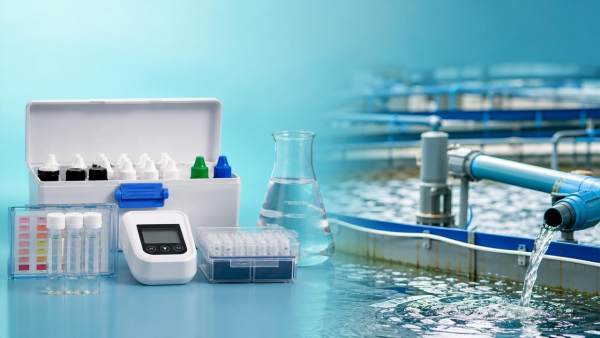
Why inconsistent aquaculture water test kits results are becoming a bigger operational issue
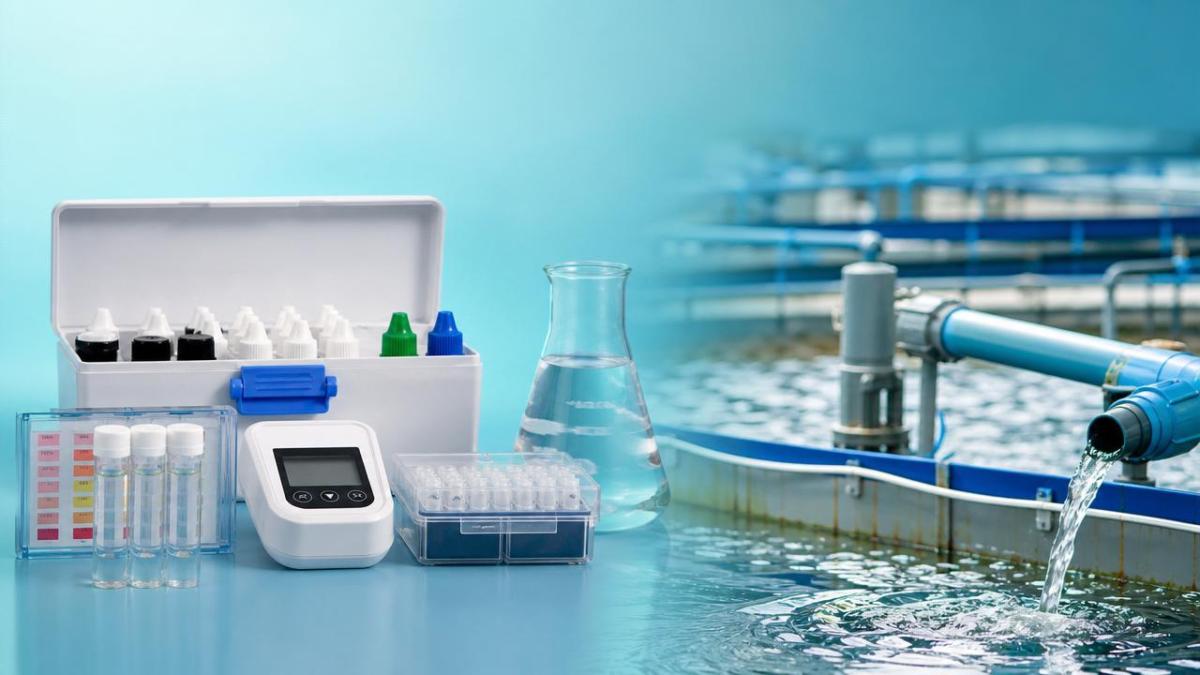
In daily pond, tank, and recirculating system management, aquaculture water test kits are expected to support fast, practical decisions.
Yet many field teams report inconsistent readings for ammonia, nitrite, nitrate, alkalinity, pH, dissolved oxygen, and salinity.
That inconsistency is not a minor inconvenience. It can distort diagnosis, delay treatment, and trigger unnecessary chemical correction.
The issue matters more now because aquaculture systems are becoming denser, more automated, and more sensitive to water quality swings.
As production intensifies, small measurement errors can quickly translate into stock stress, feed loss, disease pressure, and compliance concerns.
This is why aquaculture water test kits should be assessed not only as tools, but as risk points within operational maintenance.
In practice, unreliable results usually come from a combination of user technique, kit condition, sample handling, and environmental interference.
Understanding these factors helps maintenance personnel improve repeatability and restore confidence in routine water quality control.
Field conditions are changing faster than many testing routines
The use environment for aquaculture water test kits has changed significantly over recent years.
More facilities now operate under variable temperatures, higher biomass loading, mixed water sources, and tighter intervention windows.
At the same time, testing is often distributed across shifts, sites, or service teams with different experience levels.
This creates a basic trend: the demand for consistency is rising, while the testing context is becoming less controlled.
Colorimetric kits that seemed acceptable in stable environments may perform poorly in mobile, humid, or low-light field conditions.
Digital meters can also drift when sensors age, fouling accumulates, or calibration discipline weakens.
As a result, operators often compare numbers from different aquaculture water test kits without recognizing method-specific limitations.
The main drivers behind unreliable aquaculture water test kits readings
Inconsistent outcomes usually do not come from one single defect.
They emerge from several practical drivers acting together during sampling, testing, interpretation, and storage.
Sampling is often the first hidden source of error
Many users blame aquaculture water test kits when the real problem begins at the water source.
A sample taken near an aerator, feeder, drain, or surface film may not represent the actual system average.
Parameters such as dissolved oxygen and pH can shift within minutes after collection.
If the sample warms up, settles, or off-gasses before testing, the kit may appear inconsistent even when functioning correctly.
Reagent age and storage conditions matter more than many teams expect
Field service records often show partially used kits stored in vehicles, pump rooms, or humid work areas.
These are poor conditions for stable reagent performance.
Even quality aquaculture water test kits can lose reliability when caps are left loose or bottles face repeated temperature cycling.
Expired color strips and oxidized liquid reagents commonly produce weak, delayed, or distorted results.
How inconsistent aquaculture water test kits affect operations beyond the lab table
The operational impact extends well beyond one questionable measurement.
When aquaculture water test kits disagree with each other, teams often hesitate between intervention and observation.
That hesitation can stretch response time during ammonia spikes, oxygen stress, or biofilter instability.
- Unnecessary dosing may increase operating cost and destabilize water chemistry.
- Delayed correction may expose stock to avoidable physiological stress.
- Conflicting records make root-cause analysis harder after mortality or growth setbacks.
- After-sales support becomes slower because baseline data cannot be trusted.
- Regulatory and audit documentation may appear weak if readings lack traceable consistency.
In integrated operations, poor testing discipline can also disrupt feeding plans, water exchange scheduling, and treatment verification.
That makes aquaculture water test kits part of a wider production control chain, not an isolated maintenance accessory.
The most important checkpoints for improving practical accuracy
Consistency improves when testing is standardized around a few critical checkpoints.
These steps reduce avoidable variation without requiring major capital investment.
- Fix exact sampling points, depths, and times for each monitored system.
- Label all aquaculture water test kits with opening date, expiry date, and storage condition.
- Use a simple timing protocol for mixing, waiting, and reading color reactions.
- Read color cards under the same light source whenever possible.
- Rinse vials with sample water first and avoid detergent residue.
- Cross-check critical parameters with a second method on a defined schedule.
- Record unusual water appearance, odor, foam, or treatment status beside each result.
- Calibrate digital devices using fresh standards, not assumptions from previous readings.
Method matching is as important as kit quality
Not all aquaculture water test kits are equally suitable for every production environment.
Strip tests may support quick screening, but they are weaker for fine trend tracking.
Liquid reagent kits offer better sensitivity in many cases, but they demand stricter timing and handling discipline.
Digital instruments are useful for frequent checks, yet they require cleaning, calibration, and sensor replacement planning.
A practical program often combines methods rather than relying on one tool for all decisions.
A workable response plan for service teams and site operators
When inconsistent readings appear, the response should be structured rather than reactive.
This approach creates traceability and reduces the chance of correcting the wrong problem.
It also builds a stronger evidence base when comparing aquaculture water test kits across brands or measurement methods.
What deserves closer attention in the next phase of water quality management
The broader trend is clear: water testing in aquaculture is moving toward higher verification, not just higher frequency.
As farms digitize records and tighten environmental control, inconsistent aquaculture water test kits will face more scrutiny.
The strongest improvement opportunities lie in standard operating routines, cross-validation, and environment-specific method selection.
Short-term gains often come from better storage, disciplined timing, and stable sampling points.
Longer-term gains come from linking manual kits with calibration logs, digital records, and periodic laboratory confirmation.
If inconsistent readings are a recurring issue, start by auditing the actual testing routine before replacing equipment.
In many cases, aquaculture water test kits fail in practice because the process around them is unstable.
A disciplined review of sampling, storage, timing, and validation can quickly improve confidence in every future water quality decision.
Related Intelligence
- Aeration & Water TechSelecting Solids Filtration for Aquaculture: Flow Rates, Loading, and Fish WelfareSolids filtration aquaculture guide: compare flow rates, peak loading, capture performance, maintenance, and fish welfare to choose a reliable system.
- Aeration & Water TechWhat RO water treatment systems deliver consistent 98% salt rejection at 25°C with feed TDS over 3,000 ppm?RO water treatment systems that deliver proven 98% salt rejection at 25°C with >3,000 ppm TDS—engineered for API synthesis, aquaculture & grain processing.
- Aeration & Water TechCan pond aeration systems maintain dissolved oxygen above 5 mg/L during summer stratification in catfish ponds?Pond aeration systems can sustain >5 mg/L DO during summer stratification—when engineered for mixing *and* oxygen transfer. See field-proven data & design essentials.
The Morning Broadsheet
Daily chemical briefings, market shifts, and peer-reviewed summaries delivered to your terminal.
