

The Authority in Global Agricultural Chemistry & Bio-Resources
Is Laboratory Research equipment for biochemical safe?
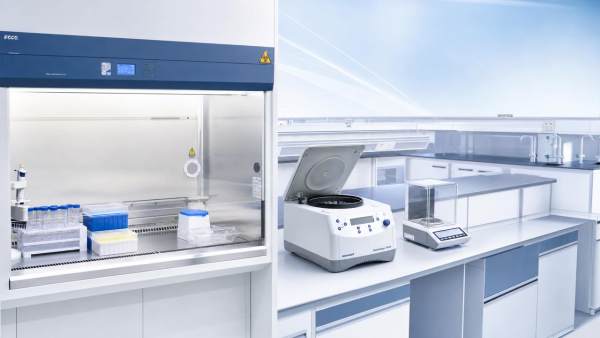
For quality control and safety managers, the question “Is Laboratory Research equipment for biochemical safe?” is more than a compliance concern—it directly affects data integrity, operator protection, and regulatory readiness. In biochemical laboratories, equipment safety depends on validated design, proper calibration, contamination control, and adherence to GMP, FDA, EPA, and institutional safety standards. This article examines the key risks, evaluation criteria, and best practices that help organizations choose and manage laboratory systems with confidence.
In primary industries and fine chemical supply chains, laboratory decisions rarely stay inside the lab. A poorly controlled centrifuge, biosafety cabinet, incubator, or analytical balance can affect API release data, feed additive verification, bio-extract purity, and wastewater compliance. For procurement teams supporting agricultural biochemistry, the right question is not only whether equipment is safe on paper, but whether it remains safe across 3 shifts, 12-month calibration cycles, and multi-site audit conditions.
What Makes Biochemical Laboratory Equipment Safe?
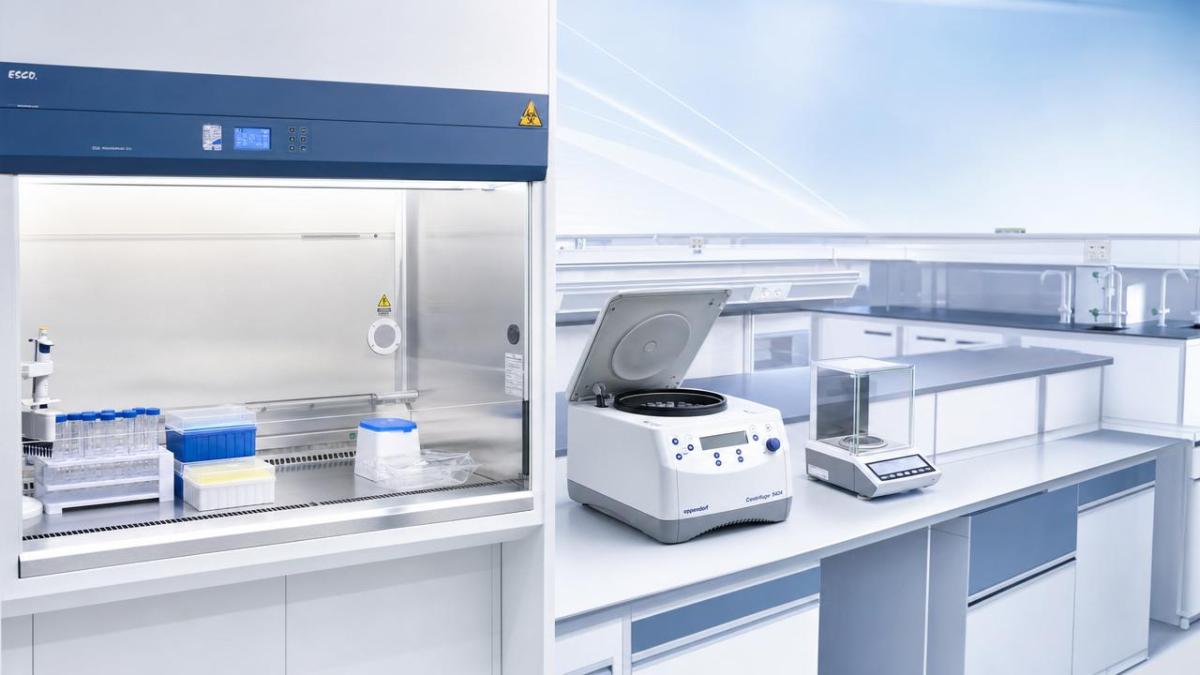
Laboratory Research equipment for biochemical work is safe when engineering controls, operating procedures, maintenance records, and user competency work together. Safety is therefore a system, not a single certificate or specification sheet.
For quality control laboratories, a “safe” system usually meets 4 baseline expectations: it protects operators, preserves sample integrity, prevents environmental release, and produces traceable data. Missing any one of these can create both safety exposure and regulatory risk.
Core safety dimensions for biochemical applications
- Containment: aerosol, vapor, splash, and biological material control during routine and abnormal operations.
- Measurement reliability: calibration tolerance, repeatability, temperature stability, and data logging accuracy.
- Material compatibility: resistance to solvents, acids, alkalis, disinfectants, enzymes, and corrosive residues.
- Operational safeguards: interlocks, alarms, lockout functions, emergency stops, and access control.
- Documentation: IQ, OQ, PQ records, maintenance logs, deviation reports, and user training evidence.
For example, a refrigerated centrifuge used for enzyme preparation may require imbalance detection, sealed rotors, speed verification within a defined tolerance, and temperature stability commonly controlled around 2°C–8°C. A biosafety cabinet may require airflow verification every 6–12 months, depending on institutional policy and usage intensity.
Safety is application-specific
The same instrument can have different risk levels in different sectors. A mixer used for non-pathogenic plant extracts may be low risk, while a similar unit handling microbial fermentation intermediates requires stricter containment, cleaning validation, and waste handling controls.
This is why safety managers should avoid generic purchasing decisions. Laboratory Research equipment for biochemical testing must be evaluated against the actual matrix, hazard class, batch size, analytical method, and cleaning frequency.
Key Risks for Quality Control and Safety Teams
Biochemical laboratories serving agriculture, fine chemicals, aquaculture, feed, and API-related workflows face overlapping risks. Many incidents begin with small deviations: a failed seal, a temperature drift of 1°C–2°C, or an expired calibration label.
For decision-makers, risk analysis should cover at least 5 categories: biological exposure, chemical incompatibility, cross-contamination, equipment malfunction, and data integrity failure. Each category requires a different control strategy.
The following table outlines common equipment categories and practical safety checkpoints. It is designed for QC managers comparing Laboratory Research equipment for biochemical use before purchase or audit preparation.
The table shows that safety is measurable. Managers should define the review interval before commissioning, not after a deviation occurs. This approach also supports GMP-style documentation and strengthens supplier qualification files.
Common hidden failure points
Hidden risks often appear in utilities and accessories rather than the main instrument. Unstable voltage, incompatible tubing, poor drainage, insufficient ventilation, and reused consumables can compromise otherwise qualified equipment.
A practical pre-use inspection should include 8 items: power supply, grounding, seals, alarms, temperature display, software access, cleaning status, and calibration label. This check can usually be completed in 5–10 minutes per critical instrument.
How to Evaluate Laboratory Research Equipment for Biochemical Procurement
A safe purchasing decision begins before the quotation stage. QC and safety managers should translate process hazards into procurement specifications, then require suppliers to provide verifiable documentation rather than broad marketing claims.
For biochemical laboratories, selection criteria should include compliance fit, containment design, calibration support, cleaning compatibility, software traceability, spare parts availability, and service response. A balanced evaluation normally requires 2–4 weeks for high-risk instruments.
A 6-point purchasing checklist
- Define the sample type, hazard level, expected throughput, and operating hours per week.
- Confirm applicable standards, including GMP expectations, FDA data integrity principles, EPA waste controls, or institutional biosafety rules.
- Request technical documentation, including user manuals, safety features, calibration procedures, and maintenance requirements.
- Assess installation conditions, such as bench load, exhaust demand, water quality, drainage, and temperature range.
- Review lifecycle support, including spare parts for 3–5 years, service availability, and training options.
- Plan qualification steps, including IQ, OQ, PQ, acceptance criteria, and deviation handling.
This checklist is especially relevant for Laboratory Research equipment for biochemical applications where instruments interact with regulated data. A low purchase price may become expensive if qualification, service, or documentation gaps delay release testing.
The next table summarizes procurement factors that safety managers should score during supplier comparison. A simple 1–5 scoring method can help align safety, QC, procurement, and operations teams.
The strongest supplier is not always the one with the longest brochure. It is the one that can explain risk controls, provide documents quickly, and support the equipment across its working life.
When to reject a quotation
Safety managers should be cautious if a supplier cannot provide maintenance instructions, calibration intervals, material compatibility details, or software access controls. These gaps often become expensive during commissioning.
A quotation should also be challenged when critical accessories are excluded. For example, rotors, certified weights, temperature probes, exhaust connections, filtration modules, and validation kits may add 10%–25% to the real project cost.
Implementation: From Installation to Daily Control
Even well-selected Laboratory Research equipment for biochemical work can become unsafe if installation and training are rushed. Implementation should follow a controlled sequence with clear ownership and documented acceptance criteria.
A practical rollout plan has 5 stages: site readiness, installation, qualification, training, and routine monitoring. For complex systems, the full cycle may take 2–6 weeks depending on utilities, validation scope, and user availability.
Stage 1: Site readiness
Before delivery, confirm bench capacity, electrical load, ventilation, floor level, ambient temperature, water quality, and waste routing. A mismatch at this stage can create vibration, overheating, drainage failures, or inaccurate readings.
Stage 2: Qualification and acceptance
Installation qualification confirms the correct equipment, accessories, utilities, and documents are present. Operational qualification tests alarms, ranges, functions, and safety interlocks under defined conditions.
Performance qualification then verifies the system under real laboratory conditions. For a stability chamber, this may include temperature mapping at 9 or more points. For a balance, it may include repeatability, eccentricity, and linearity checks.
Stage 3: Training and routine control
User training should cover normal operation, emergency shutdown, cleaning, waste handling, deviation reporting, and first-line troubleshooting. Annual retraining is advisable for critical equipment, with additional training after SOP changes.
Daily control can be simple but must be consistent. Logbooks should capture user name, sample type, pre-use checks, cleaning status, alarm events, and any abnormal conditions. Electronic records need access control and audit trails.
Maintenance intervals that matter
- Daily: cleaning status, visible damage, alarm display, and basic function check.
- Weekly: seals, filters, drainage, cables, chamber cleanliness, and consumable condition.
- Monthly: trend review, rotor condition, temperature deviation, and user compliance records.
- Every 6–12 months: calibration, preventive maintenance, airflow testing, or temperature mapping.
These intervals should be adapted to actual usage. Equipment operating 16–24 hours per day, or handling corrosive reagents and biological material, may require shorter inspection cycles.
Regulatory Readiness and Data Integrity
For regulated biochemical laboratories, safety and data integrity are connected. If equipment cannot prove who changed a method, when an alarm occurred, or whether calibration was valid, the analytical result may be questioned.
Laboratory Research equipment for biochemical operations should support traceability appropriate to its risk level. Not every device needs advanced software, but critical instruments should maintain controlled methods, user permissions, time-stamped records, and backup procedures.
Audit-ready records to maintain
- Approved SOPs with version control and effective dates.
- Training records linked to each operator and equipment type.
- Calibration certificates with due dates, tolerances, and out-of-tolerance actions.
- Preventive maintenance reports, repair notes, and replaced parts records.
- Deviation investigations, corrective actions, and effectiveness checks.
- Cleaning logs, contamination events, and waste disposal documentation.
A well-maintained file reduces audit stress. During an inspection, teams should be able to retrieve critical records within minutes, not days. This is particularly important for API-related testing and environmental compliance programs.
Software considerations
If equipment connects to a laboratory information system, assess password rules, audit trails, data export formats, backup frequency, and user role separation. Shared passwords are a common weakness and should be eliminated.
For higher-risk instruments, data backup should be scheduled at least daily or weekly, depending on test volume. Access rights should be reviewed every 3–6 months, especially after staff changes.
Common Misconceptions About Equipment Safety
Many laboratories assume new equipment is automatically safe. In reality, safety depends on correct application, installation quality, operator behavior, and lifecycle control. New instruments can still fail acceptance testing.
Misconception 1: Certification replaces risk assessment
Certificates help, but they do not define your process hazards. A certified device may be unsuitable for volatile solvents, high-salt samples, pathogenic materials, or corrosive extraction residues.
Misconception 2: Maintenance can wait until failure
Reactive maintenance may reduce short-term cost, but it increases downtime and deviation risk. Preventive maintenance is usually less disruptive than emergency repair during harvest-season testing or batch release deadlines.
Misconception 3: Operator experience is enough
Experienced users still need documented training. Auditors and safety reviewers require evidence, not assumptions. Training also standardizes actions during alarms, spills, power failures, and abnormal readings.
These misconceptions are preventable. When managers treat Laboratory Research equipment for biochemical use as part of a controlled quality system, safety becomes repeatable rather than dependent on individual habits.
FAQ for Safety Managers and QC Leaders
The following questions often arise during procurement, qualification, and audit preparation. They reflect practical concerns across biochemical, agricultural, feed, extract, and fine chemical laboratories.
How often should biochemical laboratory equipment be calibrated?
Many critical instruments follow a 6–12 month calibration cycle, but the interval should reflect usage intensity, risk level, manufacturer guidance, and previous deviation history. Daily verification may still be required.
Is imported equipment safer than domestic equipment?
Country of origin alone does not determine safety. Documentation quality, service support, compliance alignment, material compatibility, and qualification performance are more reliable decision factors.
What should be checked before using shared equipment?
Check cleaning status, last user record, calibration validity, visible contamination, accessories, alarms, and method settings. Shared systems need stricter log discipline because cross-contamination risk is higher.
Can one SOP cover all equipment?
A general laboratory safety SOP is useful, but critical instruments need equipment-specific procedures. A centrifuge, biosafety cabinet, and stability chamber have different hazards and acceptance criteria.
Building a Safer Equipment Strategy
Laboratory Research equipment for biochemical environments is safe when it is selected, installed, qualified, operated, and maintained within a documented control framework. The best results come from early collaboration between QC, safety, engineering, procurement, and suppliers.
For organizations in agriculture, fine chemicals, bio-extracts, aquaculture, APIs, feed, and grain processing, this approach protects people while strengthening analytical confidence. It also supports regulatory readiness across GMP, FDA, EPA, and institutional audit expectations.
AgriChem Chronicle helps industrial buyers and technical teams evaluate biochemical laboratory systems with a sharper view of risk, compliance, and lifecycle value. To compare safer equipment strategies, review supplier documentation, or explore sector-specific guidance, contact us to get a tailored solution or learn more about available solutions.
Related Intelligence
- Custom SynthesisThird-Party Testing of Chemical Synthesis Impurities: Methods and Detection LimitsExplore chemical synthesis impurities third party testing methods, detection limits, and reporting essentials to verify supplier claims and make confident sourcing decisions.
- Custom SynthesisWhat Are Common Pitfalls in Fine Chemical Supplier Audits?What are common pitfalls in fine chemical supplier audits? Discover hidden risks in data integrity, impurity controls, and process changes—and learn how to qualify suppliers with confidence.
- Custom SynthesisWhat Data Should a Chemical Manufacturer Provide for a GMP Audit?What data should a chemical manufacturer provide for GMP audit readiness? Explore the essential records for traceability, validation, data integrity, and confident compliance.
The Morning Broadsheet
Daily chemical briefings, market shifts, and peer-reviewed summaries delivered to your terminal.
