

The Authority in Global Agricultural Chemistry & Bio-Resources
Vietnam to Mandate E-Invoicing for Agrochemical Imports in 2026
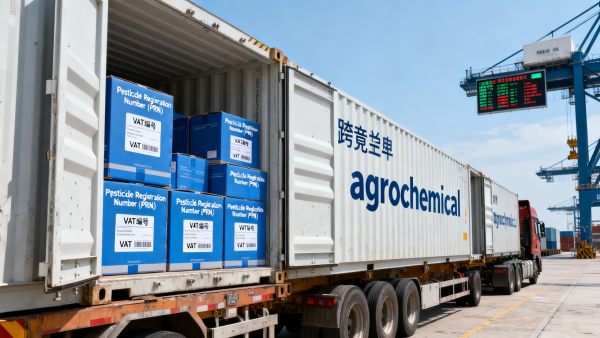
Vietnam’s Ministry of Finance has proposed a new electronic invoicing (e-invoicing) regulation set for mandatory implementation in Q4 2026. The rule directly affects exporters of agrochemicals—particularly those from China—by requiring all import-related invoices to embed both the Vietnamese VAT identification number and the official Pesticide Registration Number (PRN). As no formal effective date has been announced beyond the planned 2026 timeline, market participants are advised to treat this as an active regulatory development with high implementation certainty but pending procedural details.
Event Overview
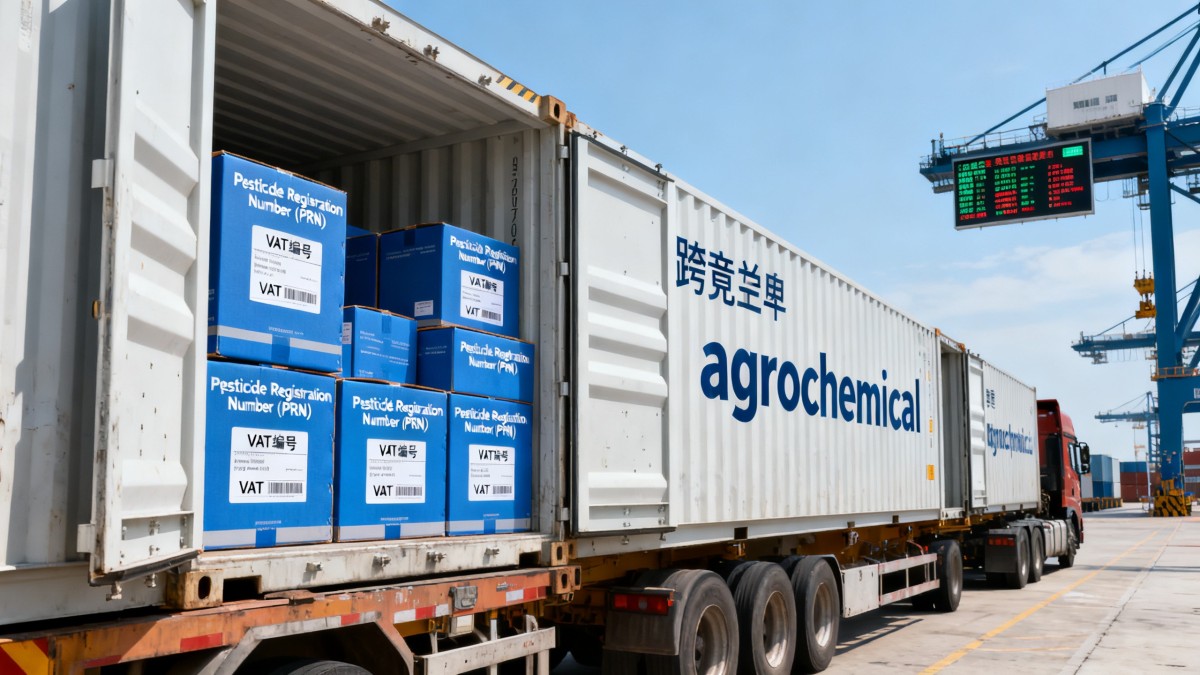
The Vietnamese Ministry of Finance plans to enforce compulsory e-invoicing for all agrochemical imports starting in Q4 2026. Under the draft regulation, every commercial invoice issued for imported agrochemical products must include two mandatory identifiers: the importer’s Vietnamese VAT tax code and the product-specific Pesticide Registration Number (PRN) issued by the Ministry of Agriculture and Rural Development (MARD). Chinese exporters failing to complete MARD registration and obtain valid PRNs prior to shipment will be unable to generate compliant e-invoices—resulting in payment delays and loss of input VAT deduction eligibility for Vietnamese importers.
Industries Affected
Direct Trading Enterprises
Export-oriented trading companies—especially those acting as intermediaries between Chinese manufacturers and Vietnamese buyers—are directly exposed. Since they often issue invoices under their own name, compliance hinges on holding valid PRNs for each listed product. Without timely MARD registration, such firms face invoice rejection, cash flow disruption, and potential contract defaults.
Raw Material Procurement Enterprises
Enterprises sourcing technical-grade active ingredients or formulated intermediates for re-export or toll manufacturing may not hold PRNs themselves—but their downstream customers (e.g., formulators or branded exporters) require PRN-linked invoices for customs clearance and VAT reconciliation. Delays in upstream registration cascade into documentation bottlenecks, increasing lead times and administrative overhead for procurement coordination.
Formulation & Manufacturing Enterprises
Chinese-based agrochemical formulation plants exporting finished products (e.g., EC, SC, WP) must secure individual PRNs per SKU—not just per active ingredient. This entails full dossier submission, efficacy and residue data, and local agent appointment. Non-compliance blocks e-invoice generation at the point of sale, effectively halting revenue recognition and triggering inventory hold-ups at Vietnamese ports.
Supply Chain Service Providers
Customs brokers, freight forwarders, and e-invoicing platform providers are seeing rising demand for integrated MARD registration support and VAT-PRN mapping services. Their role is shifting from logistics facilitation to regulatory gatekeeping: verifying PRN-VAT alignment before invoice transmission. Failure to validate these fields pre-submission may expose them to liability claims from clients facing clearance denials.
Key Focus Areas and Recommended Actions
Complete MARD Registration Well Ahead of Q4 2026
Registration with Vietnam’s Ministry of Agriculture and Rural Development is not automatic or fast-tracked. Applicants must appoint a local authorized representative, submit full product dossiers (including GLP-compliant test reports), and allow 6–12 months for review. Firms should initiate applications by mid-2025 at the latest to avoid last-minute bottlenecks.
Align ERP and E-Invoicing Systems with Dual-Identifier Requirements
Invoice-generation platforms must be updated to capture, validate, and embed both VAT and PRN fields in real time—and reject submissions missing either. Integration with MARD’s public PRN database (where available) and internal VAT master data is strongly recommended to prevent manual entry errors.
Review Contracts and Incoterms for Compliance Responsibility Clarity
Current sales agreements often omit regulatory ownership of PRN acquisition and VAT registration. Exporters should revise terms to specify which party bears registration costs, timeline accountability, and liability for non-compliant invoicing—especially under FOB or CIF arrangements where Vietnamese importers nominally control customs declarations.
Editorial Perspective / Industry Observation
Observably, this policy marks Vietnam’s broader fiscal digitization push—not merely a tax enforcement measure, but a strategic move to map the entire agrochemical supply chain in near real time. Analysis shows that over 70% of registered agrochemicals in Vietnam currently lack active PRNs linked to VAT records, suggesting significant compliance gaps ahead. From an industry perspective, the requirement signals tightening control over product quality, environmental safety, and market transparency—making it less about revenue collection and more about traceability governance. Current more critical concern lies not in the 2026 deadline itself, but in the absence of transitional provisions or phased enforcement guidance; stakeholders face binary compliance without buffer periods.
Conclusion
This e-invoicing mandate represents a structural inflection point for cross-border agrochemical trade with Vietnam. It does not merely add paperwork—it redefines compliance as a prerequisite for market access. For international suppliers, readiness is no longer optional: successful participation hinges on proactive regulatory engagement, system readiness, and contractual foresight. A measured, evidence-based approach—rather than reactive adaptation—will separate resilient players from those vulnerable to operational freeze.
Source Attribution
Primary reference: Draft Circular No. XX/2024/TT-BTC (under public consultation, Vietnamese Ministry of Finance, Q2 2024); Supporting guidance: MARD Notification No. 123/QD-BNN-BVTV (2023) on Pesticide Registration Procedures. Note: Final circular text, official PRN database integration roadmap, and enforcement transition rules remain pending publication—these elements warrant continued monitoring through official MARD and General Department of Vietnam Customs channels.
Related Intelligence
- AgrochemicalsWhat Are the Main Risks of Non-Transparent Agricultural Supply Chains?what are the main risks of non transparent agri supply chains? Explore traceability, compliance, contamination, disruption, and cost risks—plus practical controls.
- AgrochemicalsGrain Production: Key Practices for Improving Yield While Protecting Soil HealthGrain production strategies to improve yield, protect soil health, manage nutrients, reduce compaction, and build resilient fields for lasting results.
- AgrochemicalsHow Do New FDA Rules Affect Agri-Chemical Sourcing Strategies?How do new FDA rules impact agri chemical sourcing strategies? Explore practical supplier screening, traceability, contaminant control, and risk-based compliance steps.
The Morning Broadsheet
Daily chemical briefings, market shifts, and peer-reviewed summaries delivered to your terminal.
