

The Authority in Global Agricultural Chemistry & Bio-Resources
ECHA Adds Five Agrochemical Substances to SVHC List
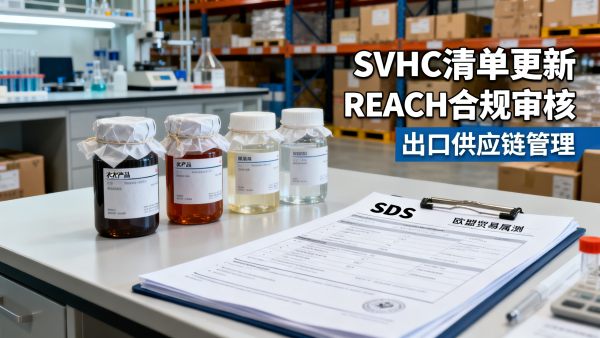
On July 29, 2026, the European Chemicals Agency (ECHA) added five widely used agrochemical intermediates, including fluazinam and metolachlor-related substances referenced in the supplied event summary, to the SVHC Candidate List. The update is notable because it activates stricter REACH-related notification, authorization, and supply-chain information duties, with immediate relevance for exporters, importers, procurement teams, and customs-facing compliance functions involved in Agrochemicals and APIs shipments to the EU.
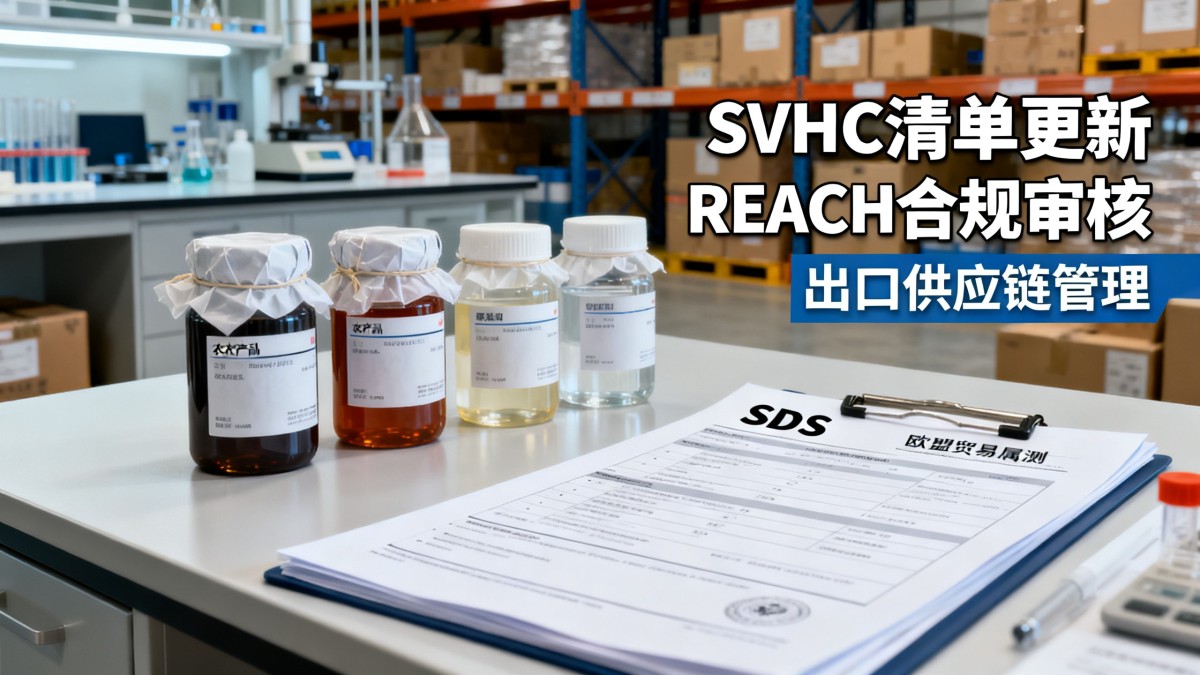
What Has Formally Changed Under REACH
According to the provided event information, ECHA formally included five commonly used agrochemical intermediates in the SVHC Candidate List on July 29, 2026. The substances named in the input include fluazinam and benztiazuron-related agrochemical intermediates as referenced in the original summary. The stated regulatory consequence is that stricter obligations under REACH will be triggered, including notification, authorization, and supply-chain information transmission requirements. The same event summary also states that this change directly affects the compliance route and customs clearance timing for China-based companies exporting Agrochemicals and APIs products to the EU, and that importers need to reassess the completeness of supplier SDS and SCIP filings.
Where the Pressure Will Show Up First
Export documentation and customs-facing compliance
From an industry perspective, exporters are likely to feel the impact first in document readiness and shipment release coordination. Because the event summary specifically points to stricter notification and information transmission duties, the practical risk area is whether product-related compliance files are complete, internally consistent, and aligned across shipment documents, SDS records, and downstream declarations. What deserves closer attention is that customs timing may be affected not only by the listed substances themselves, but also by how quickly supporting compliance materials can be reviewed and confirmed.
Importer due diligence and supplier review
For EU importers and their sourcing teams, the change raises the threshold for supplier file verification. The supplied information explicitly highlights the need to reassess supplier SDS and SCIP filing completeness. Analysis shows that this places more pressure on importer-side checks of whether upstream declarations, hazard communication materials, and substance-related disclosures are current enough for ongoing trade and product intake decisions.
Procurement and delivery planning across the supply chain
For procurement functions, contract execution and delivery planning may require closer coordination with compliance teams. The rule change does not automatically describe a trade stoppage, but it does indicate that additional review steps may enter the process before export release or import acceptance. Observably, businesses handling Agrochemicals and APIs linked to the affected substance scope should pay attention to whether supplier qualification, order confirmation, and shipping schedules now depend more heavily on updated compliance documents.
Practical Priorities for Companies Now
Recheck SDS consistency before shipment execution
Analysis shows that one immediate task is to verify whether supplier SDS content is complete and consistent with current substance status and downstream trade use. This is especially relevant where multiple entities in the chain rely on the same set of technical and compliance documents for sales, transport, customs, and customer acceptance.
Review SCIP-related filing completeness
The event summary directly identifies SCIP completeness as a point requiring reassessment. It is more appropriate to understand this as a documentation and declaration control issue that may affect importer confidence, transaction timing, and internal release procedures. Where filing responsibility or document ownership is unclear, companies may need to clarify it quickly within the supply chain.
Watch for changes in compliance interpretation and execution practice
The provided information confirms the listing event and its compliance implications, but it does not provide detailed enforcement steps or implementation guidance. For that reason, companies should monitor how official wording, customer requirements, and transaction-level compliance checks evolve in response to the listing. This is particularly relevant for businesses that depend on stable customs timing or short delivery commitments.
Align procurement, trade, and regulatory teams on affected product lines
What deserves closer attention is internal coordination. If affected Agrochemicals or APIs products remain in active export or sourcing programs, procurement teams, regulatory staff, and trade operations teams will need a shared view of which files must be updated, who owns the latest version, and where delays could emerge in order handling or border clearance.
How This Signal Should Be Read
Observably, this development is more than a routine list update for companies trading into the EU. It signals an already effective compliance change in how certain agrochemical-related substances must be managed under REACH-linked obligations. At the same time, it would be premature to treat the current information as a complete picture of downstream execution outcomes, because the supplied facts do not include detailed enforcement practice, customer-specific acceptance rules, or market-wide response. From an industry perspective, this is best read as a concrete compliance trigger accompanied by a need for continued observation.
Why the Market Will Keep Watching This
The immediate significance of this event lies in its effect on compliance routing, document readiness, and shipment timing rather than in any confirmed market outcome. Analysis shows that the most reasonable interpretation at this stage is that the SVHC listing creates a clearer regulatory burden for affected trade flows, especially where exporter documentation and importer verification were already tightly linked to delivery schedules. It is more appropriate to understand this as a rule change that has already landed, while its exact execution rhythm across procurement, customs handling, and customer requirements still needs to be watched.
Basis of This Article and What Still Needs Verification
This article is generated from the user-provided news title, event date, and event summary. For events of this kind, relevant source types typically include official regulatory notices, publications by supervisory authorities, customs or trade-administration updates, industry association communications, standards-related documents, and reporting by authoritative trade media. No specific official source link was provided in the input, so the exact official link remains to be verified on an ongoing basis. Continued attention is still needed on detailed implementation wording, compliance interpretation, tender-document changes, industry feedback, and how companies carry the new requirements into actual export and import operations.
Related Intelligence
- AgrochemicalsGrain Production: Key Practices for Improving Yield While Protecting Soil HealthGrain production strategies to improve yield, protect soil health, manage nutrients, reduce compaction, and build resilient fields for lasting results.
- AgrochemicalsHow Do New FDA Rules Affect Agri-Chemical Sourcing Strategies?How do new FDA rules impact agri chemical sourcing strategies? Explore practical supplier screening, traceability, contaminant control, and risk-based compliance steps.
- AgrochemicalsBrazil Eases Entry for Chinese Visitors Ahead of August Agrochemical ShowBrazil eases entry for Chinese visitors ahead of AgrochemShow, helping agrochemical businesses plan faster meetings, visits, and exhibition travel in Sao Paulo.
The Morning Broadsheet
Daily chemical briefings, market shifts, and peer-reviewed summaries delivered to your terminal.
