

The Authority in Global Agricultural Chemistry & Bio-Resources
ARC Fertilizer Technology Gains Ministry Recognition
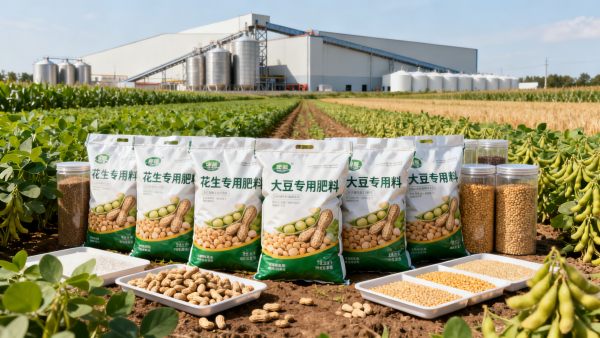
On June 5, 2026, China’s Ministry of Agriculture and Rural Affairs added Xinyangfeng’s ARC bio-coupling technology to its “Spark Technology” list, putting new attention on how specialized peanut and soybean fertilizers may link crop safety, export compliance, and input innovation. For fertilizer producers, oilseed supply-chain participants, export-oriented agribusinesses, and procurement teams, the development is worth watching because it combines official recognition, large-scale domestic application, and ongoing international review steps tied to overseas market access.
What the June 5 recognition confirms
The confirmed facts are relatively clear. Xinyangfeng developed the ARC technology together with the team led by Academician Li Peiwu of the Chinese Academy of Agricultural Sciences. On World Environment Day, June 5, 2026, the technology was formally included in the Ministry of Agriculture and Rural Affairs “Spark Technology” catalog. According to the provided information, the technology uses a “microbes carried by fertilizer” model and has reduced aflatoxin contamination by 80%.
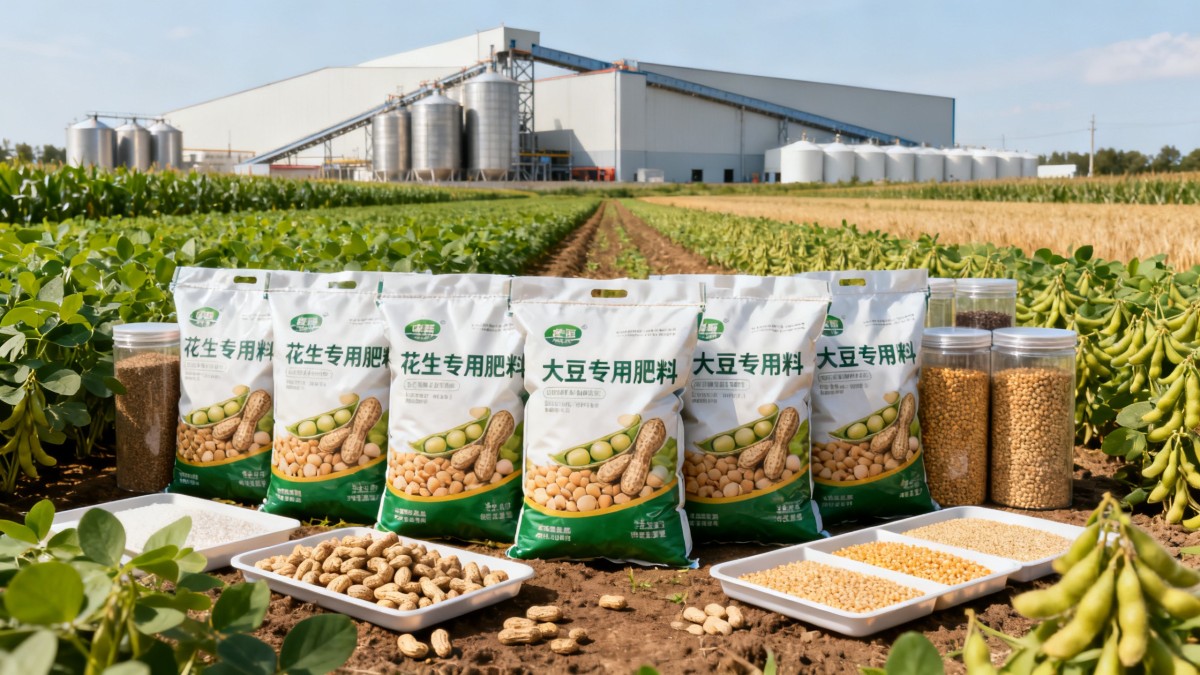
The same information states that the technology has already been applied at scale in China’s main producing areas. Its paired “Gaofuzhuan” specialized fertilizer for peanuts and soybeans is described as having low heavy-metal residue and high nitrogen-fixation efficiency. At the same time, JMPR evaluation and ASEAN pesticide registration pre-review are being advanced in parallel to support the export positioning of specialized fertilizer for oilseed crops.
Why different parts of the chain are paying attention
Export-facing agribusinesses are watching compliance signals
From an industry perspective, companies involved in export-oriented oilseed crop business may pay attention because the information connects product performance with international review pathways. The practical impact is less about a single announcement and more about whether supporting materials, regulatory recognition, and customer-facing compliance narratives become easier to organize in export discussions.
Input buyers may focus on quality-risk management
Procurement teams for peanut and soybean production inputs may see this as relevant because the disclosed features are not limited to nutrient supply. The reduced aflatoxin contamination figure, along with the mention of low heavy-metal residue, points to a broader quality-risk discussion that may affect sourcing criteria, supplier screening, and product comparison in specialized fertilizer categories.
Processors and downstream users may look upstream
Processors and other downstream participants may not buy fertilizer directly, but they are still connected to upstream crop quality outcomes. Analysis shows this development may matter where buyers are increasingly attentive to contamination-related risks, residue-related claims, and documentation quality across the supply chain, especially for crops linked to food or feed use.
Service providers may see more demand for documentation support
Supply-chain service providers, registration advisers, and trade support teams may also be affected. What deserves closer attention is not only the product itself, but the need to align technical claims, review progress, registration status, and client communication materials in a way that supports actual transactions without overstating what has already been completed.
What companies should track next
Separate official recognition from market-entry completion
Companies should distinguish between inclusion in a ministry technology list and completed overseas market access. The first is a domestic policy and technical recognition signal; the second depends on follow-up progress such as JMPR evaluation and ASEAN pesticide registration pre-review, both of which are described as ongoing rather than finished.
Prepare product and supplier documentation early
Businesses working with specialized fertilizer for peanuts and soybeans should pay attention to the underlying documentation tied to product attributes, supplier qualifications, and applicable review status. In practice, procurement and sales teams may need clearer internal alignment on which claims are already confirmed and which remain under review.
Watch category-specific demand rather than broad fertilizer conclusions
This update is most directly relevant to specialized fertilizers tied to peanut and soybean applications, especially where export narratives matter. Observably, companies should be careful not to generalize the development into a blanket conclusion for all fertilizer products or all crop segments.
Keep customer communication precise
For firms facing overseas buyers or compliance-sensitive clients, communication discipline matters. Teams should avoid presenting ongoing evaluation or pre-review work as a completed approval result, while still explaining why the current process may strengthen future market-facing credibility if follow-up milestones advance.
How this development is best understood today
Analysis shows this is better understood as a meaningful industry signal than as a fully settled market result. The combination of ministry recognition, stated contamination-reduction performance, large-scale domestic use, and ongoing international review activity suggests a convergence between agronomic function and trade-facing compliance value. At the same time, the export-side implications remain partly contingent on how those review and registration processes progress.
Observably, the announcement also points to a more specific direction within agricultural inputs: specialized fertilizer is being framed not only by yield or efficiency characteristics, but also by its relationship to crop safety indicators and international market documentation. That does not by itself prove broad commercial outcomes, but it does change what many industry participants may choose to monitor next.
The broader takeaway for the sector
At this stage, the sector may read the news as a targeted signal around oilseed-crop inputs rather than as a universal turning point. The confirmed development indicates that ARC technology and its paired peanut and soybean fertilizer have moved beyond laboratory positioning into recognized domestic application and cross-border review preparation. A neutral reading is that this is an important marker of direction, while the pace and scope of commercial impact still require continued observation.
Basis of this article
This article is based on the user-provided news title, event date, and event summary. For this type of industry update, commonly relevant source categories may include official government notices, company announcements, industry association materials, authoritative media reports, and documents from standards or review bodies. A specific official source link was not provided in the input, so further verification remains necessary. Follow-up attention should remain on any updated official wording, JMPR-related progress, and ASEAN registration pre-review developments mentioned in the provided information.
Related Intelligence
- AgrochemicalsUSDA Announces Over $500 Million for Eight Fertilizer Production ProjectsUSDA announces over $500 million for eight fertilizer production projects. Explore how expanded domestic supply could affect farm costs and agricultural supply chains.
- AgrochemicalsAgrochemicals Category Intelligence: Tracking Cost Drivers and Supply RiskExplore agrochemicals category intelligence to track cost drivers, uncover supply risks, and strengthen sourcing decisions. Learn how to negotiate smarter and secure reliable supply.
- AgrochemicalsChina’s Phosphate Fertilizer Exports Near Zero, Tightening Global SupplyChina’s phosphate fertilizer exports near zero in 2026 as sulfur shortages tighten global supply. Explore the risks for importers, prices and sourcing strategies.
The Morning Broadsheet
Daily chemical briefings, market shifts, and peer-reviewed summaries delivered to your terminal.
