

The Authority in Global Agricultural Chemistry & Bio-Resources
What Is Application Based Product Discovery and How Does It Improve B2B Product Selection?
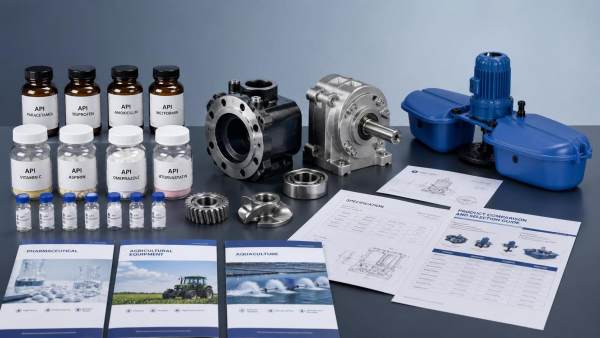
In complex industrial markets, application based product discovery is changing how B2B buyers evaluate technical solutions, from APIs to aquaculture systems. Instead of comparing products by generic specifications alone, this approach helps procurement teams match performance, compliance, and supply reliability to real operational needs. For researchers and sourcing decision-makers, it offers a more precise path to faster, lower-risk product selection.
Why are B2B buyers moving toward application based product discovery?
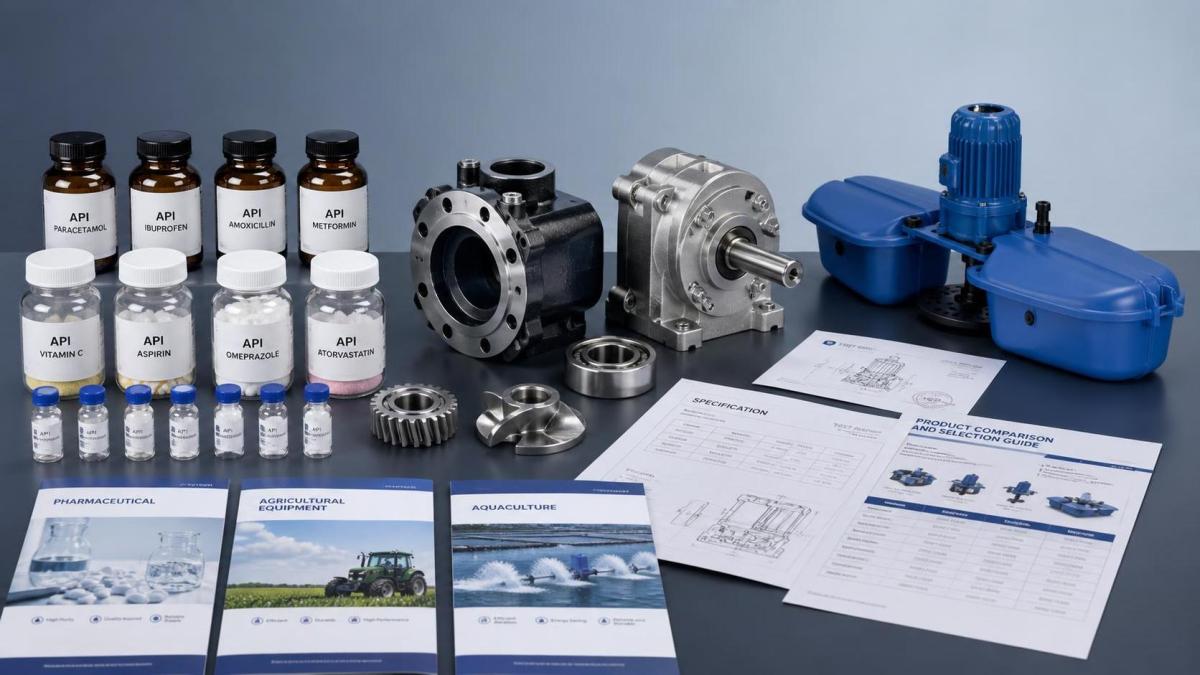
B2B buyers searching for application based product discovery usually want a practical answer, not a theoretical definition. They need to know whether this approach improves sourcing quality, speeds evaluation, and reduces procurement risk.
The short answer is yes. Application based product discovery helps buyers identify products according to how they will actually be used, rather than relying on broad category labels or isolated technical specifications.
In industrial sectors, that distinction matters. A pharmaceutical excipient, a crop input, or a recirculating aquaculture component may look suitable on paper, yet fail under real operating conditions or compliance demands.
Traditional product search often begins with catalog filters, supplier lists, or keyword comparisons. That process can produce longlists quickly, but it rarely reveals whether a product is truly fit for a specific production environment.
Application based product discovery changes the starting point. Instead of asking, “What products exist in this category?” buyers ask, “What products are proven for this operational need, process constraint, and regulatory setting?”
That shift aligns better with how institutional procurement decisions are actually made. In most B2B environments, product selection is not just about price or feature count. It is about performance, validation, compatibility, and continuity.
For information researchers, this model also reduces noise. It narrows the field to options relevant to the intended use case, making comparison more meaningful and internal recommendation easier to defend.
What does application based product discovery actually mean?
Application based product discovery is a sourcing and evaluation approach that organizes products around end use, process requirements, and operating context instead of generic product families alone.
In practical terms, buyers begin with the application. That application may be tablet formulation, shrimp water treatment, grain drying, botanical extraction, or corrosion control in a processing line.
Once the intended use is clear, the search expands into related performance conditions. These can include temperature range, throughput level, purity threshold, environmental exposure, automation needs, or residue tolerances.
From there, buyers assess products against contextual criteria. These often include regulatory status, certification history, compatibility with existing systems, maintenance burden, supplier reliability, and documentation quality.
This method is especially valuable in sectors covered by AgriChem Chronicle, where a product cannot be judged only by a standard datasheet. Application suitability often determines whether an operation stays compliant and profitable.
For example, two API intermediates may meet a nominal chemical specification. Yet only one supplier may provide the batch traceability, impurity profile consistency, and audit readiness required for a regulated market.
Likewise, two aeration systems may appear comparable in an aquaculture catalog. But when evaluated by stocking density, energy consumption, salinity exposure, and local discharge rules, one may clearly outperform the other.
How does this approach improve B2B product selection?
The main advantage of application based product discovery is decision quality. It helps buyers compare products in the conditions that matter most to operational success, not in abstract or oversimplified terms.
First, it improves relevance. Buyers spend less time reviewing options that look similar at category level but have little chance of meeting real process, compliance, or installation requirements.
Second, it improves risk visibility. When products are evaluated by application, hidden issues surface earlier. These may include unsupported operating conditions, incomplete technical files, unstable lead times, or weak validation data.
Third, it improves internal alignment. Procurement teams, engineers, quality managers, and operations leads can discuss options using shared application criteria rather than debating isolated product claims from suppliers.
Fourth, it often shortens time to shortlist. That may sound counterintuitive because the analysis is more detailed. In practice, better framing at the start prevents long cycles spent reviewing unsuitable products later.
Fifth, it supports better total cost decisions. The lowest quoted product price may not be the best option once buyers consider downtime risk, service requirements, yield loss, compliance exposure, or replacement frequency.
For industrial buyers, these gains are significant. A poor product choice in regulated or process-intensive sectors can lead to validation delays, output loss, failed audits, environmental penalties, or contract disruption.
Which buyer problems does application based product discovery solve best?
This approach is most useful when the product is technical, the application is specialized, and the consequences of a wrong choice are expensive or difficult to reverse.
One common problem is specification overload. Buyers may receive extensive datasheets and certification lists, yet still lack clarity on whether a product fits their exact operating scenario.
Another problem is false comparability. Products may seem equivalent because they share category terms, but their formulation history, equipment durability, input variability, or process tolerance can differ sharply.
Application based product discovery also addresses fragmented research workflows. In many organizations, technical research, procurement screening, and compliance review happen across separate teams using different criteria.
By centering evaluation on the intended application, teams can build a shared decision structure. That creates a more disciplined shortlist and reduces the risk of late-stage objections from quality or operations stakeholders.
It also helps in markets with inconsistent supplier marketing. Many B2B listings emphasize broad capability claims, while application evidence, test data, and implementation conditions remain harder to verify.
For the information researcher, this means less dependence on promotional language and more focus on operational proof. That is often the difference between exploratory browsing and defensible sourcing intelligence.
What should buyers evaluate beyond product specifications?
If buyers want application based product discovery to produce better outcomes, they need to evaluate a wider set of criteria than technical specification alone.
Start with performance in context. Ask how the product performs under the exact conditions that matter: output volume, impurity sensitivity, substrate variability, climate exposure, cleaning cycles, or integration demands.
Then assess compliance readiness. In many sectors, fitness for use depends on auditability as much as raw performance. GMP documentation, FDA support, EPA alignment, and environmental reporting may be decisive.
Supply chain transparency is equally important. A product may perform well technically but create procurement instability if sourcing origins, quality controls, or manufacturing continuity are not well documented.
Buyers should also review implementation friction. This includes installation requirements, staff training needs, changeover complexity, calibration burden, and the availability of after-sales technical support.
Another key factor is evidence quality. Ask whether application claims are backed by pilot results, customer references, third-party testing, batch records, or whitepapers relevant to the intended use case.
Finally, examine lifecycle economics. Maintenance intervals, waste rates, formulation stability, energy draw, or validation cost can materially change the true value of a product over time.
How does this apply across APIs, agriculture, and aquaculture?
The principle remains the same across sectors, but the evaluation lens changes with the application. That is why this discovery model is especially valuable in cross-disciplinary industrial markets.
In APIs and fine chemicals, application based product discovery helps buyers screen for regulatory documentation, impurity consistency, formulation compatibility, and supplier readiness for quality audits or market expansion.
In agricultural machinery, the same method may focus on field conditions, crop type, maintenance intervals, operator skill level, spare parts support, and compatibility with current fleet or processing systems.
In aquaculture and fishery technology, buyers may prioritize dissolved oxygen performance, corrosion resistance, stocking intensity, water chemistry, biosecurity needs, and local environmental compliance standards.
In feed and grain processing, relevant criteria often include throughput stability, energy efficiency, contamination control, moisture variability, and cleaning access during frequent production changes.
In bio-extracts and ingredients, the application may require close attention to source traceability, extraction reproducibility, solvent residues, active compound stability, and downstream regulatory acceptance.
Across all these sectors, the real value is the same: buyers move from product-first comparison to use-case-first selection, which is a far better fit for high-consequence B2B procurement.
What does a practical evaluation workflow look like?
For research teams and procurement analysts, application based product discovery works best when it follows a structured workflow rather than informal product browsing.
First, define the application in operational terms. Describe the process, intended output, quality thresholds, regulatory constraints, and any environmental or installation conditions that could affect performance.
Second, rank selection criteria. Separate essential requirements from preferred ones. This prevents teams from overvaluing attractive but noncritical features while overlooking compliance or integration risks.
Third, build a shortlist using application evidence. Supplier claims should be filtered through use-case fit, not accepted at face value because they align with broad category terminology.
Fourth, compare supporting documentation in a standardized way. Use a matrix that captures performance proof, certifications, supply continuity, service capabilities, and implementation demands across all shortlisted options.
Fifth, involve cross-functional reviewers early. Engineering, quality, operations, procurement, and regulatory teams should comment before the shortlist becomes politically or commercially difficult to change.
Sixth, test where the risk justifies it. Trials, pilot runs, sample validation, or site assessments can confirm whether apparent product fit translates into reliable operating performance.
This process does not eliminate uncertainty, but it makes the decision more rigorous, more transparent, and easier to justify to internal stakeholders or external auditors.
What are the limits and common mistakes?
Application based product discovery is powerful, but it is not automatic. Buyers still need disciplined inputs, reliable data, and clear decision ownership.
One common mistake is defining the application too broadly. If the use case is vague, the discovery process becomes little better than ordinary category search with new terminology attached.
Another mistake is ignoring supplier execution risk. A product may fit the application technically, yet still be a weak choice if delivery reliability, documentation quality, or support responsiveness are poor.
Some teams also overcomplicate the process. Not every purchase requires exhaustive modeling. The approach is most valuable where compliance, process sensitivity, or operational impact make precision worthwhile.
There is also a data quality challenge. In fragmented industrial markets, product information may be incomplete, outdated, or written for marketing purposes rather than procurement verification.
That is why authoritative industry intelligence matters. Buyers need sources that connect product claims with verified manufacturing capabilities, technical research, and real market conditions.
Why this matters for industrial sourcing strategy
As industrial supply chains become more regulated and less forgiving, product discovery can no longer depend mainly on broad specifications, supplier familiarity, or price-first comparisons.
Application based product discovery gives B2B organizations a more reliable framework for selecting technical products in sectors where operational fit determines business outcomes.
For information researchers, it improves the quality of initial screening. For procurement teams, it supports better shortlists. For operations and compliance leaders, it reduces avoidable surprises after purchase.
The deeper value is strategic. This approach turns product search into a more evidence-based sourcing function, one that is aligned with performance, regulatory responsibility, and supply continuity.
In markets such as APIs, bio-extracts, aquaculture systems, and agricultural processing equipment, that is not a marginal improvement. It is increasingly the standard required for sound decision-making.
In short, application based product discovery improves B2B product selection because it reflects how products succeed or fail in the real world: through application fit, not category fit alone.
- Fine Chemicals
- Bio-Extracts
- APIs
- Agricultural Machinery
- Grain Processing
- Aquaculture Systems
- Supply Chain Transparency
- fishery technology
- Agricultural Processing
- Manufacturing Capabilities
- Industrial Buyers
- Aquaculture
- Feed and Grain
- Feed and Grain Processing
- Bio-Extracts and Ingredients
- Agricultural Processing Equipment
- Compliance Standards
- API intermediates
- application based product discovery
- environmental compliance standards
Related Intelligence
- APIs & IntermediatesHow to Qualify a Purified Bioprocess Materials Supplier for GMP ManufacturingPurified bioprocess materials supplier qualification guide for GMP manufacturing: assess traceability, contamination control, change notification, and supply reliability.
- APIs & IntermediatesEnzyme-Based Process Engineering: Designing Robust Biocatalytic Scale-UpEnzyme based process engineering for robust biocatalytic scale-up: optimize reactor control, transfer limits, recovery, and GMP-aligned manufacturing.
- APIs & IntermediatesWhat Role Does Compliance Play in Pharmaceutical Ingredient Sourcing?What role does compliance play in pharma ingredient sourcing? Discover how GMP, traceability, audits, and quality agreements protect supply, quality, and market access.
The Morning Broadsheet
Daily chemical briefings, market shifts, and peer-reviewed summaries delivered to your terminal.
