

The Authority in Global Agricultural Chemistry & Bio-Resources
SAMR Launches 1800 Standard Revisions, Grain Silos Safety Standards Upgraded to Mandatory
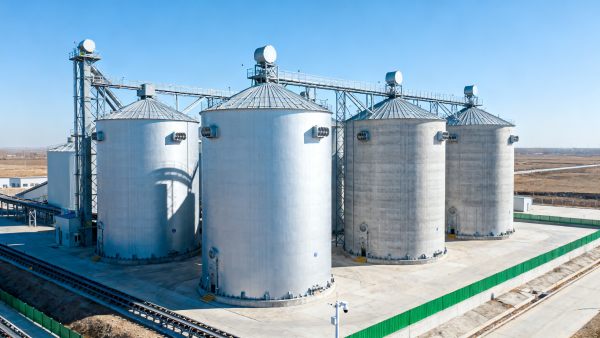
On May 12, 2026, the State Administration for Market Regulation (SAMR) announced a major standardization initiative: the acceleration of 1,800 national standard revisions and adoptions, with Grain Silos & Storage safety and energy efficiency standards elevated to mandatory status. This development directly affects manufacturers and importers of grain storage equipment—particularly those serving markets requiring CE, ASME, or SASO certification, including the Middle East and Southeast Asia.
Event Overview
On May 12, 2026, SAMR confirmed it will advance over 1,800 national standard formulation and revision projects in 2026. Key priorities include standards for thermal insulation materials and battery recycling. Notably, several previously voluntary national standards related to Grain Silos & Storage have been added to the priority list for conversion into mandatory standards. No further technical details, implementation timelines beyond 2026, or transitional provisions were publicly disclosed at announcement.
Industries Affected
Grain Storage Equipment Manufacturers
Manufacturers exporting silo systems, structural components, or integrated storage solutions to China—or producing for Chinese OEMs—will face revised compliance requirements. The shift from recommended to mandatory status means conformance with updated safety and energy efficiency criteria will become a legal prerequisite for market access, not just a competitive differentiator.
Export-Oriented Trade Firms (Middle East & Southeast Asia)
Importers and distributors in the Middle East and Southeast Asia ordering grain silos from Chinese suppliers must reassess order specifications against the new mandatory baseline. Since SAMR’s revisions may alter design, material, or testing requirements, existing purchase contracts may no longer align with upcoming certification pathways for CE, ASME, or SASO—especially where those schemes reference or harmonize with Chinese national standards.
Third-Party Certification & Testing Service Providers
Laboratories and conformity assessment bodies supporting CE, ASME, or SASO applications will need to monitor whether SAMR’s revised Grain Silos & Storage standards are incorporated into their own technical evaluation frameworks. Any misalignment between updated GB standards and foreign scheme requirements could delay test reports or certificate issuance.
What Relevant Enterprises or Practitioners Should Focus On and Do Now
Track official SAMR updates on implementation schedules and transitional arrangements
SAMR has not yet published draft texts, effective dates, or grace periods for the revised Grain Silos & Storage standards. Stakeholders should subscribe to SAMR’s official Standardization Administration of China (SAC) portal and monitor announcements for public consultation drafts or notices of enforcement timing.
Review active and pending orders for grain storage equipment destined for or sourced from China
Exporters and importers should identify which current contracts reference GB/T (recommended) standards—and assess whether those same products would meet newly mandated GB (mandatory) requirements. Where uncertainty exists, initiate technical reviews with suppliers or engineering partners before shipment or production commencement.
Distinguish between policy intent and operational readiness
Analysis shows this initiative signals regulatory tightening but does not yet constitute an enforceable requirement. The upgrade to mandatory status is confirmed as a 2026 priority, yet actual enforcement depends on final approval, publication, and formal entry into force—none of which have occurred as of May 12, 2026. Companies should treat this as a forward-looking compliance signal—not an immediate compliance deadline.
Prepare documentation and test plans aligned with anticipated GB revisions
Manufacturers and certification applicants should begin updating internal technical files—including structural calculations, fire resistance data, and thermal performance test protocols—to reflect likely directions indicated by SAMR’s stated focus on safety and energy efficiency. Early alignment reduces rework risk once final standards are released.
Editorial Perspective / Industry Observation
Observably, this move is less about immediate regulatory enforcement and more about strategic standardization signaling. SAMR’s inclusion of Grain Silos & Storage in the mandatory conversion list reflects growing emphasis on infrastructure resilience and resource efficiency within China’s food security framework. From an industry perspective, the broader implication lies in how rapidly Chinese mandatory standards may begin influencing international conformity expectations—especially where regional certifications (e.g., SASO) increasingly reference or cross-map to GB standards. It is currently more accurate to interpret this as a preparatory signal than a finalized regulatory outcome; sustained monitoring—not reactive overhaul—is the appropriate near-term response.
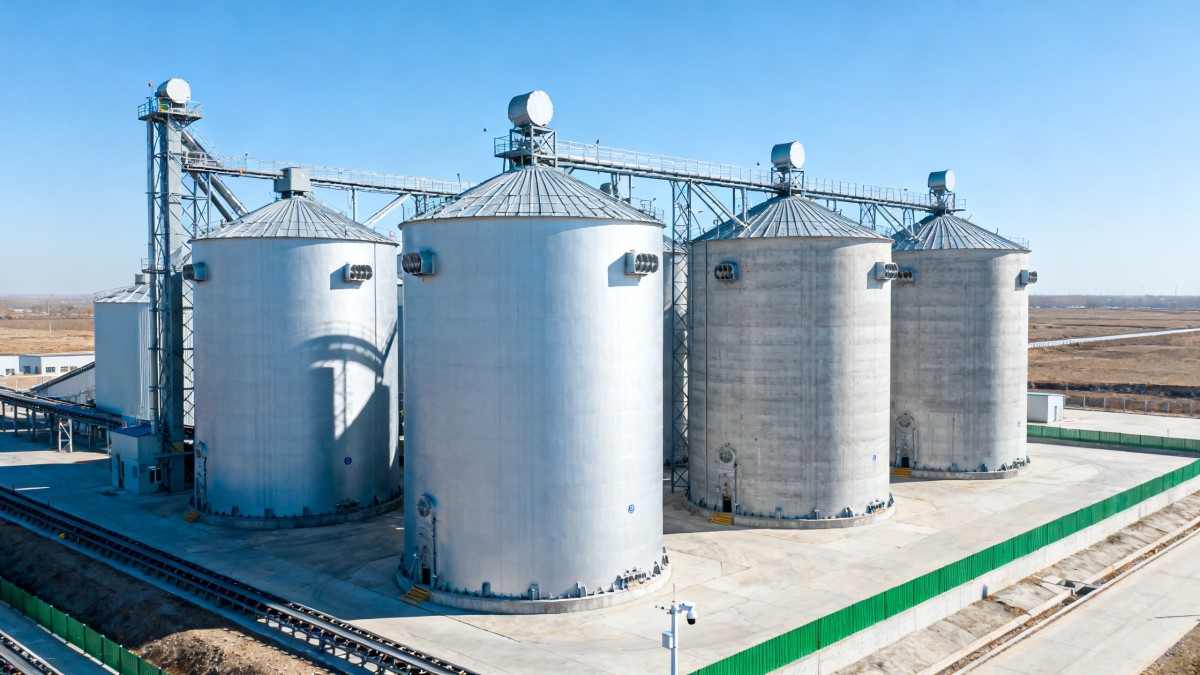
Conclusion: This SAMR announcement marks a procedural milestone in China’s standardization roadmap—not an operational inflection point. Its significance lies in clarifying long-term regulatory direction for grain storage infrastructure, rather than triggering immediate compliance actions. For stakeholders, it is better understood as an early indicator of tightening technical governance, warranting structured monitoring and incremental technical alignment—not urgent recalibration of supply chains or certification strategies.
Source: State Administration for Market Regulation (SAMR), official announcement dated May 12, 2026.
Noted for ongoing observation: Final text of revised Grain Silos & Storage standards, official enforcement date, and any transitional provisions issued by SAC.
Related Intelligence
- Grain Silos & StorageHow to Size a Grain Pre-Cleaner for Capacity, Crop Type, and Impurity LoadGrain pre cleaner machine sizing guide: match capacity, crop type, moisture, and impurity load to improve flow, separation quality, and downstream performance.
- Grain Silos & StorageHow Can You Verify That a Grain Handling System Meets Export Standards?How do I know if a grain handling system meets export standards? Explore practical checks for traceability, sanitation, quality control, and export-ready compliance.
- Grain Silos & StorageExport-Compliant Grain Storage Systems: Standards, Documentation, and Design ChecksExport compliant storage systems: learn how grain facilities strengthen segregation, condition control, fumigation readiness, traceability, and shipment release.
The Morning Broadsheet
Daily chemical briefings, market shifts, and peer-reviewed summaries delivered to your terminal.
