

The Authority in Global Agricultural Chemistry & Bio-Resources
China Accelerates Mandatory Standards for Grain Silos & Storage
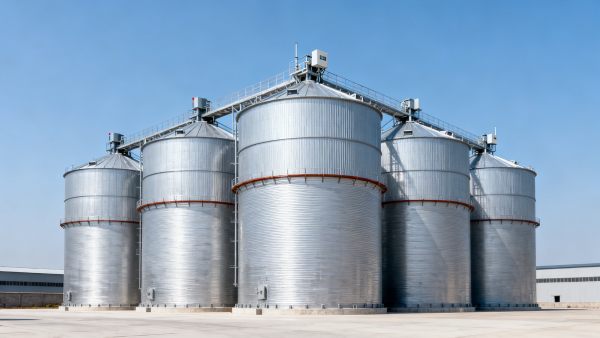
On May 6, 2026, China’s State Administration for Market Regulation (SAMR) announced a major standardization initiative—1,800 national standard revisions and new developments scheduled for completion in 2026. Among them, three previously recommended national standards for grain silos and storage—including GB/T 22378-2026 Technical Safety Specification for Steel Silos—will be accelerated into mandatory status. This move directly impacts equipment manufacturers, exporters, and operators across the grain infrastructure value chain, driven by heightened safety governance priorities following recent regional risk assessments.
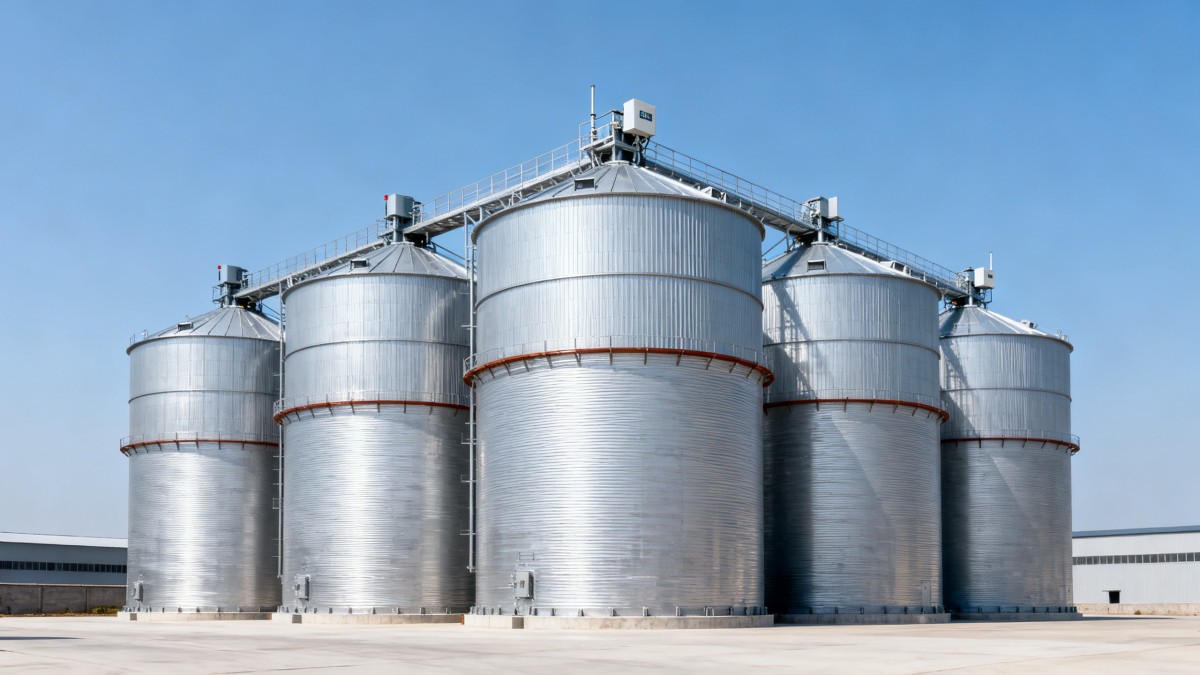
Event Overview
On May 6, 2026, SAMR confirmed that it will advance the conversion of three grain silo-related recommended national standards (GB/T series) into mandatory standards (GB series) during 2026. The revised requirements include mandatory explosion-proof design provisions, seismic performance validation for intensity level VIII or higher, and standardized remote condition-monitoring interfaces. Production licenses for export-oriented silo units will require compliance with these updated mandatory standards starting in Q3 2026.
Industries Affected
Direct Trading Enterprises: Exporters of grain storage systems face immediate certification recalibration. As production licenses now hinge on mandatory compliance from Q3 2026, pre-certified inventory may become non-exportable unless retrofitted or revalidated—potentially triggering contract renegotiations, delivery delays, and liability clauses tied to regulatory conformity.
Raw Material Procurement Enterprises: Buyers sourcing silos for domestic grain reserves or port terminals must now verify supplier compliance timelines against the new mandatory benchmarks—not just technical specifications. Procurement cycles may extend as vendors adjust engineering documentation, third-party testing schedules, and factory audit readiness.
Manufacturing Enterprises: Fabricators of steel silos face dual pressure: redesigning structural details (e.g., reinforcement layouts for seismic grade VIII), integrating certified explosion-proof components (e.g., dust-tight electrical enclosures, pressure-relief panels), and embedding standardized communication protocols (e.g., Modbus TCP or OPC UA over Ethernet) for remote monitoring. Tooling, welding procedure qualifications, and QA/QC workflows will require revision.
Supply Chain Service Providers: Third-party inspection bodies, certification agencies (e.g., CNAS-accredited labs), and logistics firms offering “regulatory-compliant delivery” services must update their scope of accreditation and service offerings. Demand is expected to surge for seismic simulation testing, explosion venting verification, and interface protocol conformance audits—particularly ahead of Q3 2026 deadlines.
Key Focus Areas and Recommended Actions
Verify current product certification status against GB/T 22378-2026 transition roadmap
Manufacturers and exporters should obtain official SAMR implementation notices confirming effective dates, grandfathering clauses (if any), and transitional compliance pathways—especially for orders placed before Q3 2026 but delivered after.
Engage certified testing laboratories early for seismic and explosion-proof validation
Lead times for full-scale seismic shake-table testing and certified explosion venting trials currently exceed 12 weeks. Pre-booking slots with CNAS-accredited facilities is advised to avoid bottlenecks before Q3.
Update technical documentation to include remote monitoring interface specifications
Design drawings, operation manuals, and factory acceptance test (FAT) protocols must explicitly define physical ports, data models, and cybersecurity safeguards aligned with the new mandatory interface requirement—not merely optional telemetry features.
Editorial Perspective / Industry Observation
Observably, this standard acceleration reflects a broader regulatory pivot—from prescriptive compliance toward outcome-based safety assurance. The inclusion of remote state monitoring as a mandatory feature signals an institutional expectation of operational transparency and predictive maintenance readiness. Analysis shows that while seismic and explosion-proof upgrades respond to documented incident trends, the interface mandate likely anticipates integration with national grain reserve digital supervision platforms now under pilot deployment in six provinces. From an industry perspective, this is less about incremental compliance and more about foundational interoperability alignment.
Conclusion
This policy shift marks a structural inflection point for China’s grain storage infrastructure sector—not merely tightening safety thresholds, but redefining the technical baseline for market access. It consolidates safety, resilience, and connectivity into a single regulatory framework. A rational interpretation is that compliance will increasingly serve as both a barrier to entry and a differentiator for high-integrity suppliers—making early technical adaptation a strategic imperative, not just a regulatory obligation.
Source Attribution
Official announcement issued by the State Administration for Market Regulation (SAMR), May 6, 2026. Full text published on samr.gov.cn. Note: Final GB numbering, enforcement scope (e.g., applicability to retrofits or only new builds), and detailed technical annexes remain pending formal release and are subject to ongoing observation.
Related Intelligence
- Grain Silos & StorageHow Can You Verify That a Grain Handling System Meets Export Standards?How do I know if a grain handling system meets export standards? Explore practical checks for traceability, sanitation, quality control, and export-ready compliance.
- Grain Silos & StorageExport-Compliant Grain Storage Systems: Standards, Documentation, and Design ChecksExport compliant storage systems: learn how grain facilities strengthen segregation, condition control, fumigation readiness, traceability, and shipment release.
- Grain Silos & StorageApplication-Based Moisture Specifications for Stored Grain: Limits, Testing, and Risk ControlApplication based moisture specification guide for stored grain: set defensible limits, improve testing, and control spoilage risks across storage applications.
The Morning Broadsheet
Daily chemical briefings, market shifts, and peer-reviewed summaries delivered to your terminal.
