

The Authority in Global Agricultural Chemistry & Bio-Resources
Shin-Etsu Chemical Raises PVC Resin Prices, Impacts Grain Silo Manufacturing
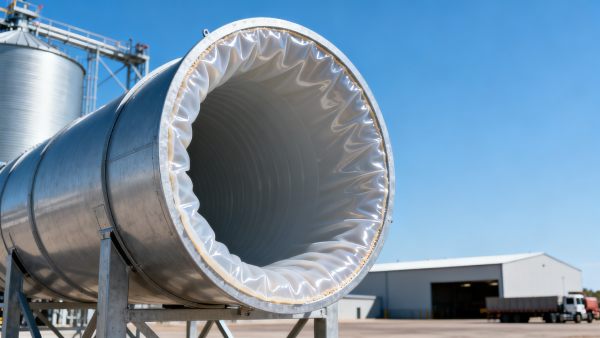
On May 11, 2026, Japanese chemical manufacturer Shin-Etsu Chemical raised its ex-factory price for polyvinyl chloride (PVC) resin by over JPY 30 per kilogram — an increase of approximately 8.2%. As PVC is widely used in grain silos and storage systems for interior linings and sealing components, this adjustment directly affects cost structures across the grain storage equipment supply chain. Manufacturers, procurement teams, and exporters serving markets in the Middle East and Africa should particularly note the implications for material substitution strategies.
Event Overview
Shin-Etsu Chemical announced a price increase for PVC resin effective May 11, 2026. The hike amounts to more than JPY 30 per kilogram, representing an approximate 8.2% rise in ex-factory pricing. No further details regarding duration, regional applicability, or customer-tier differentiation were publicly disclosed at the time of announcement.
Industries Affected by This Adjustment
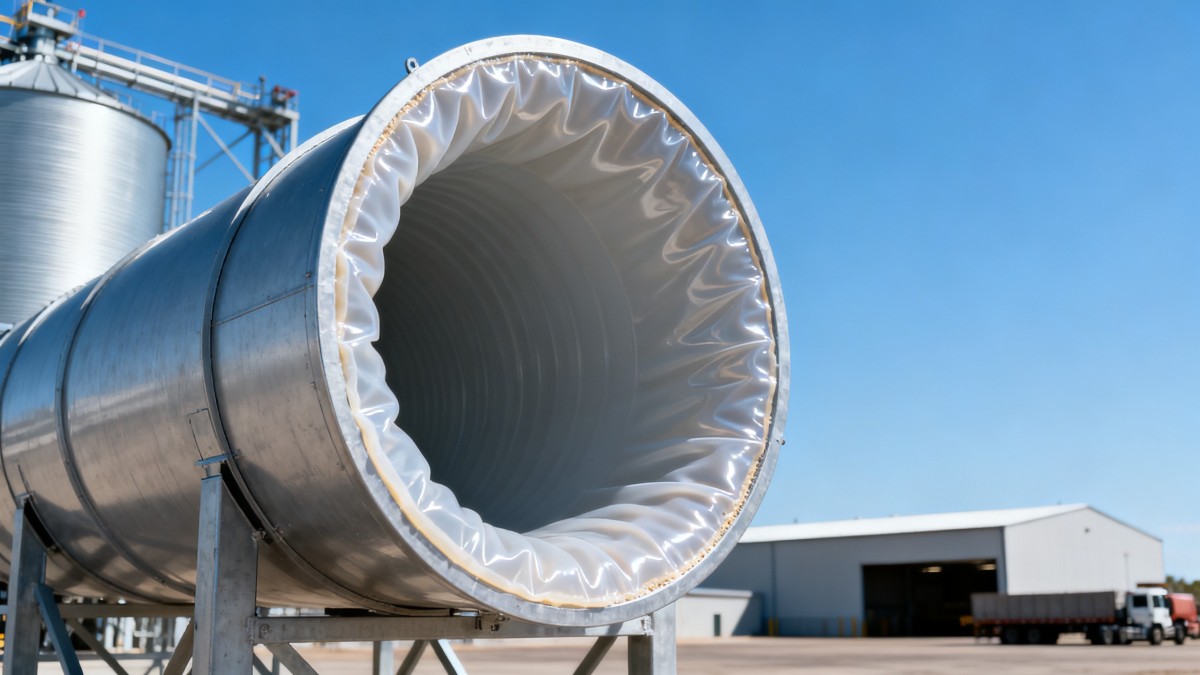
Grain Silo & Storage Equipment Manufacturers: PVC serves as a common material for internal linings, gaskets, and joint seals in both low- and mid-cost silo designs. The price increase will raise raw material input costs, especially for manufacturers relying on domestic or Asia-sourced PVC compounds. Margins may compress unless pricing adjustments are passed downstream or alternative materials are adopted.
Raw Material Procurement Teams (in manufacturing firms): Buyers responsible for polymer inputs face tighter budget constraints and potential delays in cost-recovery cycles. Sourcing plans tied to fixed-price contracts signed before May 11 may require renegotiation or early inventory top-ups to mitigate near-term exposure.
Exporters Targeting Middle Eastern and African Markets: These regions often prioritize total cost of ownership and long-term durability over upfront capital expenditure. Rising PVC-based silo prices could shift buyer preferences toward alternative materials — notably high-density polyethylene (HDPE) — especially where climate resilience and service life are key evaluation criteria.
What Stakeholders Should Monitor and Do Now
Track official communications from Shin-Etsu and other major PVC suppliers
Monitor for follow-up statements on whether this is a one-time adjustment or signals broader regional pricing trends. Also watch for announcements from competing producers (e.g., Formosa Plastics, LG Chem) — their responses may indicate industry-wide momentum.
Evaluate HDPE feasibility for specific silo applications
Assess technical compatibility (e.g., UV resistance, thermal expansion, anchoring methods) and local regulatory acceptance of HDPE-based liners in target export markets. Prioritize use cases where HDPE’s corrosion resistance and longer service life offset higher initial unit cost.
Review existing purchase agreements and lead-time buffers
Identify contracts with fixed PVC pricing expiring within Q3 2026. Where feasible, consider phased procurement ahead of anticipated restocking cycles to lock in pre-increase cost benchmarks — without overstocking.
Update technical documentation and sales messaging for international clients
For exporters engaging buyers in the Middle East and Africa, prepare comparative performance summaries highlighting HDPE’s proven performance in arid, high-UV environments — positioning it not merely as a cost-alternative but as a lifecycle-optimized solution.
Editorial Observation / Industry Perspective
Observably, this price adjustment reflects tightening upstream feedstock conditions rather than isolated corporate strategy — PVC production is energy- and chlorine-intensive, and global caustic soda and ethylene margins have trended upward since early 2026. Analysis shows the move is better understood as a signal of sustained input-cost pressure across thermoplastic-based storage infrastructure, rather than a short-term anomaly. From an industry standpoint, the emphasis on HDPE alternatives in the original briefing suggests growing recognition that material selection decisions now carry strategic weight beyond immediate procurement — influencing competitiveness in emerging markets where total cost of ownership dominates tender evaluations.
Concluding this update: The Shin-Etsu PVC price increase is not merely a cost-line adjustment but a marker of evolving material economics in grain storage infrastructure. It underscores how shifts in commodity polymer pricing can cascade into design choices, export positioning, and long-term asset performance expectations. Currently, it is more appropriately understood as an early indicator of structural cost pressure — one requiring proactive technical and procurement reassessment, rather than reactive budget reallocation.
Source: Official pricing notice issued by Shin-Etsu Chemical Co., Ltd., effective May 11, 2026. Note: Ongoing monitoring is advised for follow-up announcements from Shin-Etsu and regional PVC compounders regarding implementation scope and customer communication timelines.
Related Intelligence
- Grain Silos & StorageHow Can You Verify That a Grain Handling System Meets Export Standards?How do I know if a grain handling system meets export standards? Explore practical checks for traceability, sanitation, quality control, and export-ready compliance.
- Grain Silos & StorageExport-Compliant Grain Storage Systems: Standards, Documentation, and Design ChecksExport compliant storage systems: learn how grain facilities strengthen segregation, condition control, fumigation readiness, traceability, and shipment release.
- Grain Silos & StorageApplication-Based Moisture Specifications for Stored Grain: Limits, Testing, and Risk ControlApplication based moisture specification guide for stored grain: set defensible limits, improve testing, and control spoilage risks across storage applications.
The Morning Broadsheet
Daily chemical briefings, market shifts, and peer-reviewed summaries delivered to your terminal.
