
The Authority in Global Agricultural Chemistry & Bio-Resources
First Commercial Grain Silos & Storage Digital Twin Platform Launches
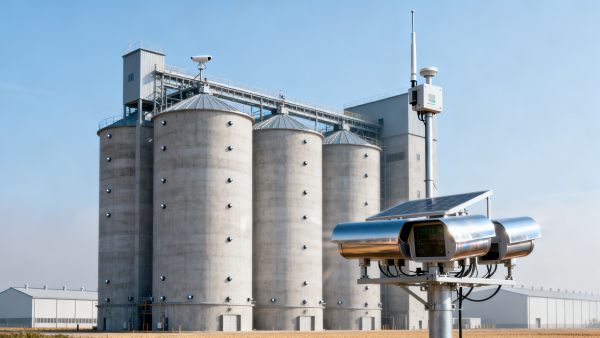
On May 9, 2026, the first commercial Grain Silos & Storage digital twin platform (v3.1), jointly developed by China Academy of Grain Sciences and Siemens AG, went live. The platform enables real-time data synchronization with the EU’s Eurostat grain storage regulatory system via standardized APIs — covering inventory levels, temperature/humidity, pest monitoring, and traceability of inbound/outbound movements. This development is particularly relevant for agri-logistics operators, EU-exporting grain handlers, and regulated storage service providers, as it signals a new operational benchmark for cross-border compliance in bulk commodity storage.
Event Overview
On May 9, 2026, the Grain Silos & Storage digital twin platform (v3.1) was officially launched. It is co-developed by China Academy of Grain Sciences and Siemens AG. The platform supports direct API integration with Eurostat’s official grain warehouse regulatory system. Verified data categories include stock volumes, environmental conditions (temperature and humidity), pest detection metrics, and granular logistics traceability (inbound/outbound). It has received Eurostat technical compatibility certification under reference EST-DS-2026-088.
Impact on Specific Industry Segments
Grain Exporters Serving the EU Market
These enterprises face increased transparency requirements when reporting to Eurostat. The platform’s certified API interface reduces manual reporting burden but also raises the bar for data integrity and real-time monitoring capability at origin silos. Impact manifests in audit readiness, documentation latency, and potential penalties for inconsistent or delayed submissions.
Third-Party Grain Storage & Logistics Providers
Providers operating EU-compliant facilities — especially those managing multi-client inventories — must now ensure their infrastructure supports interoperable telemetry collection and structured data export. Non-integrated legacy systems may require retrofitting or phased replacement to maintain eligibility for EU-facing contracts.
Feed Mill & Flour Mill Procurement Teams
Procurement functions sourcing EU-regulated grain stocks may encounter new contractual clauses requiring digital twin–enabled traceability. This affects supplier qualification criteria, delivery documentation workflows, and internal verification protocols for incoming lots.
Agri-Tech Integration Service Providers
Vendors offering middleware, SCADA upgrades, or sensor-to-cloud solutions are likely to see heightened demand for Eurostat-compatible data mapping modules. However, certification (e.g., EST-DS-2026-088) is not transferable — integrations must be validated per deployment.
What Enterprises and Practitioners Should Focus On Now
Monitor Eurostat’s official implementation guidance for v3.1
Eurostat has issued a technical compatibility certificate, but no public rollout timeline or mandatory adoption date has been announced. Stakeholders should track Eurostat’s upcoming notices on phased enforcement, scope expansion (e.g., to non-EU third countries), and data retention rules.
Assess current silo-level instrumentation and data architecture
API connectivity presumes standardized sensor outputs (e.g., Modbus TCP, MQTT with defined payloads) and secure, auditable data pipelines. Companies should map existing hardware/software stacks against the platform’s documented ingestion schema — not just its existence.
Distinguish between certification and operational readiness
The EST-DS-2026-088 certificate confirms technical interoperability, not regulatory obligation. Affected businesses should avoid premature capital expenditure and instead prioritize gap analysis and pilot integration with representative silo clusters.
Prepare for upstream data governance alignment
Real-time Eurostat submission requires synchronized master data (e.g., facility IDs, commodity codes, unit definitions). Firms should review internal ERP/WMS configurations and align terminology with Eurostat’s Common Agricultural Policy (CAP) metadata standards ahead of integration testing.
Editorial Perspective / Industry Observation
Observably, this launch represents an early-stage infrastructure signal — not yet a binding requirement, but a clear directional marker toward automated, API-driven regulatory reporting in EU grain supply chains. Analysis shows that Eurostat’s certification framework is shifting from document-based audits toward continuous data validation; however, full enforcement remains contingent on broader digital capacity across member-state storage networks. From an industry perspective, the platform’s significance lies less in immediate compliance pressure and more in its role as a reference implementation: it sets measurable benchmarks for data fidelity, latency tolerance, and system resilience that will likely inform future tenders and regulatory updates beyond grain — including oilseeds and rice. Current attention should focus on how national authorities interpret and cascade these technical standards into local licensing or subsidy conditions.
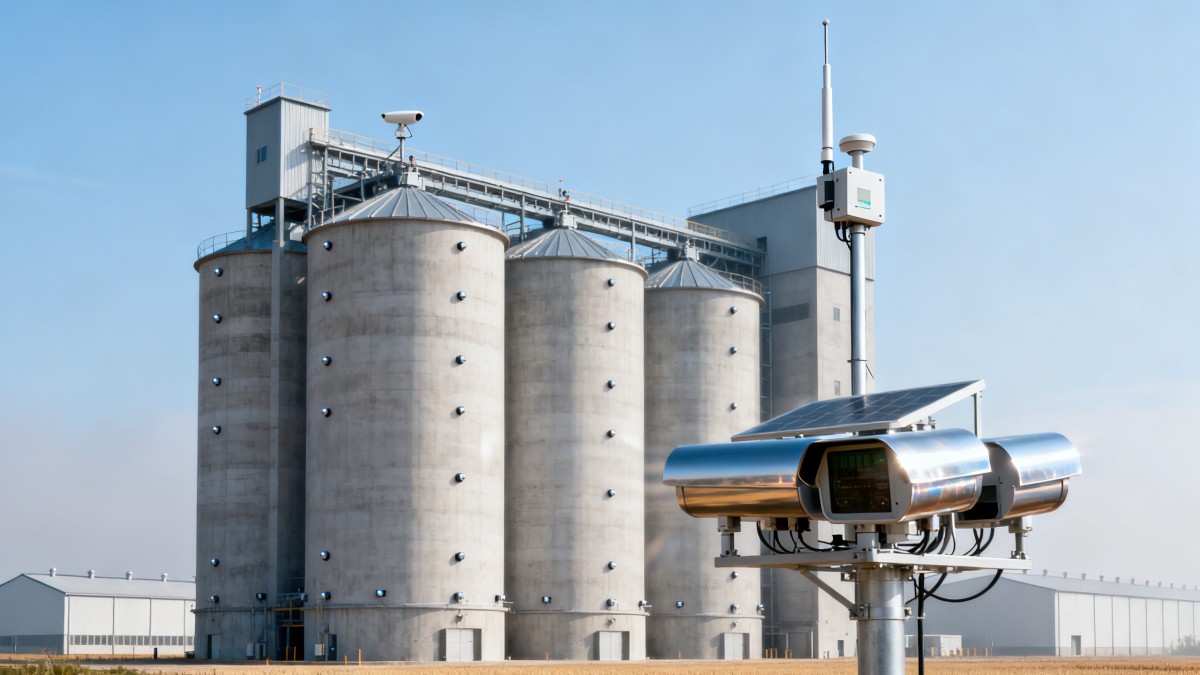
Conclusion: This milestone does not introduce new regulation, but it formalizes a technical pathway for regulatory data exchange in grain storage. Its primary value is as a compatibility reference — one that clarifies what ‘digital readiness’ means in practice for EU-facing operations. It is better understood as an enabler of future compliance, not evidence of imminent mandate. Stakeholders are advised to treat it as a calibration point for internal digital maturity assessment, rather than a trigger for urgent system overhaul.
Source Attribution:
— Official launch announcement (May 9, 2026), joint statement by China Academy of Grain Sciences and Siemens AG
— Eurostat Technical Compatibility Certificate EST-DS-2026-088 (publicly referenced, full documentation pending Eurostat publication)
Note: Eurostat’s implementation roadmap, enforcement schedule, and extension to non-grain commodities remain under observation and are not confirmed in available materials.
Related Intelligence
- Grain Silos & StorageFirst Commercial Grain Silos & Storage Digital Twin Platform LaunchesGrain Silos & Storage digital twin platform launches — real-time Eurostat integration for inventory, environment, pest & traceability. Boost EU compliance now.
- Grain Silos & StorageFirst Commercial Grain Silos & Storage Digital Twin Platform LaunchesFirst commercial Grain Silos & Storage digital twin platform launched—API-certified for EU GRIS, real-time monitoring & EN 15234-2:2024 compliance. Discover how it transforms grain storage operations.
- Grain Silos & StorageIs a mobile grain dryer machine worth it for seasonal harvests?Mobile grain dryer machine ROI explained for seasonal harvests. Compare costs, flexibility, quality protection, and payback to see if it’s the right investment.
The Morning Broadsheet
Daily chemical briefings, market shifts, and peer-reviewed summaries delivered to your terminal.
