

The Authority in Global Agricultural Chemistry & Bio-Resources
Shin-Etsu Chemical Raises PVC Resin Prices Amid Rising Raw Material Costs

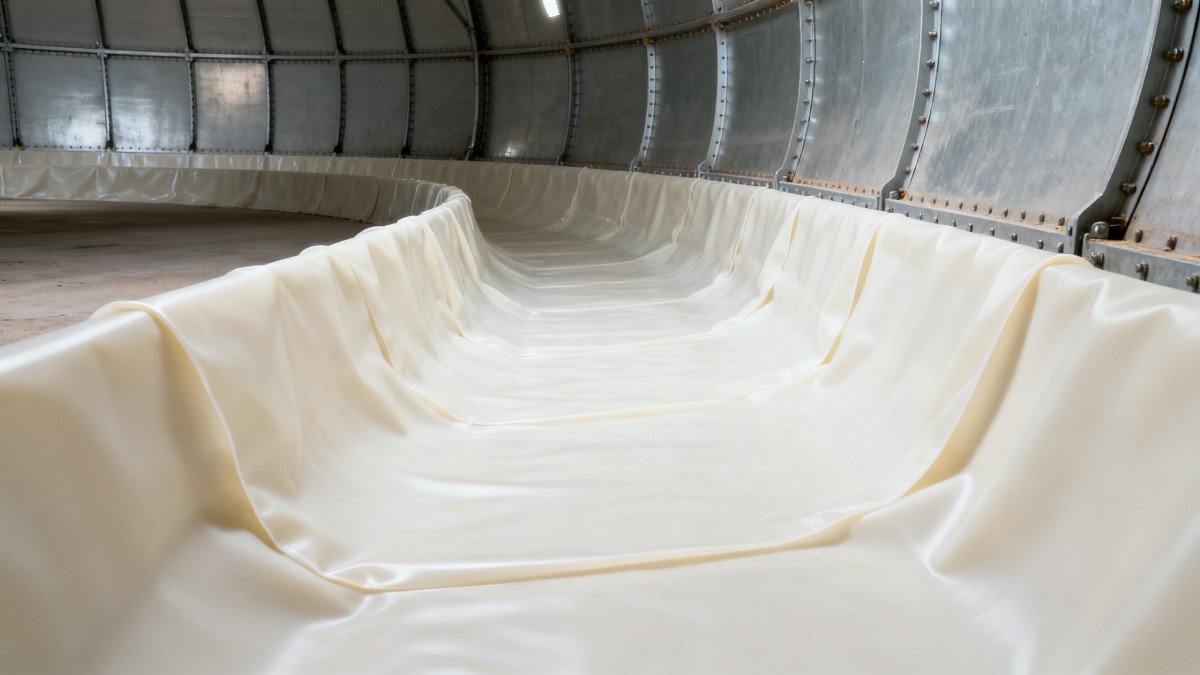
On June 1, 2026, Shin-Etsu Chemical Co., Ltd. implemented an 8.5% price increase for its SG-5 grade PVC resin — a key raw material widely used in grain silos and storage systems for interior linings and sealing applications. The move follows the company’s May 5, 2026 announcement and reflects mounting pressure from elevated chlorine-alkali feedstock costs linked to Middle East geopolitical tensions and higher marine cargo insurance premiums. Grain silos & storage equipment manufacturers, importers, and downstream fabricators are advised to monitor pricing, lead times, and supply continuity closely.
Event Overview
On May 5, 2026, Japanese chemical manufacturer Shin-Etsu Chemical announced it would raise the ex-factory price of its SG-5 type PVC resin by 8.5%, effective June 1, 2026. The company cited two primary drivers: rising costs of chlorine-alkali raw materials due to Middle East geopolitical conflict, and increased maritime insurance rates. SG-5 PVC resin is commonly used as a base material for interior linings and seals in grain silos and storage infrastructure. Domestic suppliers serving the grain storage sector have initiated price renegotiation discussions; export quotations for related products are expected to rise by 4–6% in Q2 2026, with delivery lead times potentially extending to 8–10 weeks.
Impact on Specific Industry Segments
Direct Export/Import Trading Firms
These firms face immediate margin compression as export quotations for SG-5-based components (e.g., silo liners, gaskets) are projected to increase by 4–6% in Q2 2026. Longer lead times (8–10 weeks) may disrupt order fulfillment cycles, particularly for time-sensitive tenders or seasonal procurement windows in agricultural markets.
Raw Material Procurement Teams
PVC resin buyers — especially those sourcing SG-5 for silo fabrication or aftermarket seal kits — will encounter tighter supplier terms and reduced flexibility on volume commitments. With domestic suppliers already engaging in price negotiations, procurement timelines and contract renewal schedules require urgent review.
Grain Silo & Storage Equipment Manufacturers
As SG-5 PVC serves as a foundational material for internal linings and sealing layers, cost pass-through becomes operationally complex. Margins may narrow unless design alternatives (e.g., alternate resin grades or composite solutions) are evaluated — though compatibility and regulatory compliance must be verified before substitution.
Supply Chain & Logistics Service Providers
Extended delivery windows (up to 10 weeks) imply longer inventory holding periods and greater working capital requirements. Marine insurance cost increases also affect freight cost forecasting accuracy, especially for CIF or CFR shipments tied to grain storage projects in emerging markets.
Key Points for Enterprises and Practitioners to Monitor and Address
Track official communications from Shin-Etsu and regional distributors
Monitor updates beyond the initial May 5 announcement — including potential adjustments to minimum order quantities, regional allocation policies, or technical support for alternative grades. These details often emerge post-implementation and directly affect procurement planning.
Review current stock levels and near-term production schedules for SG-5-dependent components
Given the 8–10 week lead time extension, enterprises should assess whether existing safety stock covers demand through mid-Q3 2026. Prioritize buffer builds for high-volume SKUs such as standard silo liner rolls and modular gasket sets.
Evaluate feasibility of qualified grade substitutions — without compromising performance or certification
Analysis shows that while SG-3 or SG-8 resins may offer partial functional overlap, their rheological and thermal stability profiles differ. Any substitution requires validation against ISO 22000-compliant food-contact standards and local grain storage regulations — particularly where silos handle certified organic or export-grade commodities.
Initiate early dialogue with customers on potential cost-sharing or timeline adjustments
Observably, clients engaged in public-sector grain infrastructure tenders often operate under fixed-price contracts. Proactive communication about extended lead times and revised cost structures helps manage expectations and avoid contractual disputes during delivery phases.
Editorial Perspective / Industry Observation
This price adjustment is better understood as an early signal of sustained input cost pressure — not a one-off correction. From an industry perspective, the linkage between Middle East geopolitical developments and PVC pricing for agricultural infrastructure highlights growing cross-sector vulnerability in specialty polymer supply chains. Current more relevant than ever is the need to distinguish between short-term price volatility (e.g., insurance surcharges) and structural shifts (e.g., long-term chlorine-alkali capacity constraints). Continuous monitoring of both upstream feedstock indices and regional trade policy updates remains essential — especially for firms operating across Asia-Pacific and African grain storage markets.
Conclusion: This price action underscores how macro-level supply chain stressors — such as regional conflict and maritime risk — translate directly into operational challenges for niche industrial applications like grain silo manufacturing. It does not yet indicate broad-based PVC market inflation, but rather reflects targeted cost transmission in a technically sensitive segment. Practitioners are advised to treat this as a prompt for tactical supply chain recalibration — not a trigger for strategic redirection.
Source: Official announcement by Shin-Etsu Chemical Co., Ltd., dated May 5, 2026; confirmed implementation date of June 1, 2026. Note: Further updates on regional distributor responses and actual Q2 export quotation data remain under observation.
Related Intelligence
- Grain Silos & StorageHow Can You Verify That a Grain Handling System Meets Export Standards?How do I know if a grain handling system meets export standards? Explore practical checks for traceability, sanitation, quality control, and export-ready compliance.
- Grain Silos & StorageExport-Compliant Grain Storage Systems: Standards, Documentation, and Design ChecksExport compliant storage systems: learn how grain facilities strengthen segregation, condition control, fumigation readiness, traceability, and shipment release.
- Grain Silos & StorageApplication-Based Moisture Specifications for Stored Grain: Limits, Testing, and Risk ControlApplication based moisture specification guide for stored grain: set defensible limits, improve testing, and control spoilage risks across storage applications.
The Morning Broadsheet
Daily chemical briefings, market shifts, and peer-reviewed summaries delivered to your terminal.
