

The Authority in Global Agricultural Chemistry & Bio-Resources
How to Choose Commercial Grain Silos: Capacity, Material, Aeration, and Unloading Options
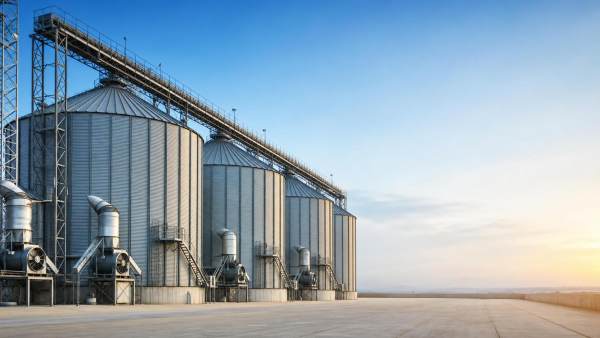
How to Choose Commercial Grain Silos: Capacity, Material, Aeration, and Unloading Options
Choosing commercial grain silos is rarely a simple equipment purchase. It is a long-term operating decision that affects storage safety, grain quality, labor efficiency, and project economics.
For most industrial sites, the right silo must do more than hold volume. It must support smooth intake, protect product integrity, and match real unloading patterns.
That is why commercial grain silos should be evaluated as part of the full process line, not as isolated steel structures.
This guide breaks the selection process into practical steps. It focuses on capacity, construction material, aeration design, and unloading options that influence daily performance.
Start with Capacity That Matches Throughput
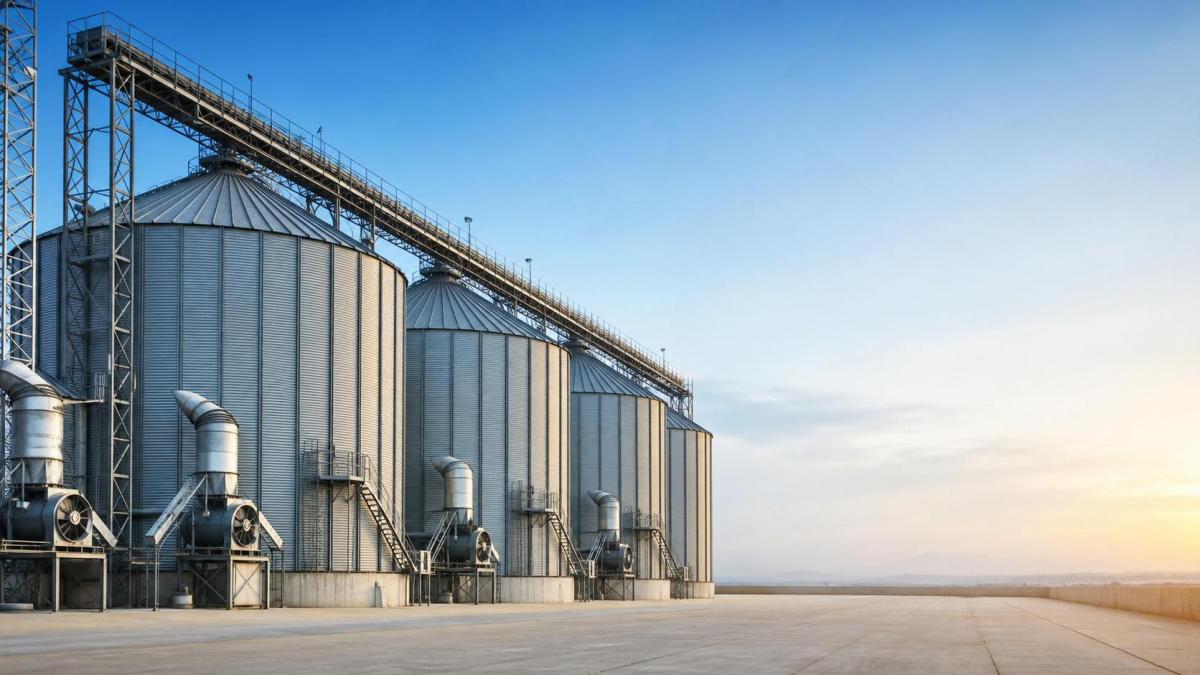
Capacity is usually the first filter when comparing commercial grain silos. Even so, many projects still size silos by headline tonnage alone.
That approach can create hidden bottlenecks. A storage system that looks large enough on paper may still fail during peak harvest or busy shipping periods.
A better method is to connect silo size with four operating numbers: inbound flow, outbound flow, storage days, and grain turnover frequency.
- Peak receiving volume during harvest or procurement windows.
- Daily dispatch requirements for mills, feed plants, or export terminals.
- Expected dwell time for each grain type.
- Future expansion over the next five to ten years.
In practical terms, commercial grain silos should support both buffer storage and strategic reserve storage. These are different jobs, and they often need different silo sizes.
Smaller silos help with segregation and flexible dispatch. Larger silos reduce civil cost per ton, but they can complicate blending, cleaning, and product rotation.
This also means overbuilding is not always efficient. Extra capacity adds capital cost, fan load, structural demand, and sometimes more complicated flow management.
A useful question is simple: will the silo network support your busiest week, not just your average month?
Choose Material for Climate, Corrosion, and Lifecycle Cost
Material selection has a direct effect on maintenance, contamination risk, and service life. For commercial grain silos, the most common choices are galvanized steel, stainless steel components, and reinforced concrete.
Galvanized steel silos are popular because they offer fast installation, competitive cost, and wide availability. For many grain storage projects, they are the practical starting point.
Still, the coating grade matters. In coastal regions, humid climates, or corrosive industrial zones, standard protection may not be enough.
More demanding sites may require higher zinc coating levels, upgraded fasteners, sealed joints, or stainless steel contact points in sensitive areas.
Concrete silos offer strong thermal stability and durability. They can be attractive for very large fixed installations with long operating horizons.
However, they often involve longer construction schedules and less flexibility for later modification. That trade-off should be assessed early in project planning.
When reviewing commercial grain silos, look beyond purchase price. Compare full lifecycle cost across these factors:
- Corrosion resistance in local weather conditions.
- Expected maintenance intervals and coating repairs.
- Ease of cleaning and inspection access.
- Compatibility with food, feed, or specialty grain requirements.
- Structural performance under wind, snow, and seismic loads.
In real procurement decisions, the best material is usually the one that balances environmental exposure, compliance needs, and maintenance capacity on site.
Aeration Is Not an Accessory
Aeration is often treated as a secondary feature. In reality, it is one of the most important performance criteria in commercial grain silos.
Poor airflow design can lead to moisture migration, temperature stratification, crusting, mold growth, and insect activity. Those risks grow quickly in larger storage volumes.
Effective aeration begins with understanding the grain itself. Corn, wheat, soybeans, rice, and feed ingredients do not behave the same way during storage.
The airflow requirement depends on grain type, moisture content, local climate, storage duration, and whether the silo is for holding, conditioning, or drying support.
When comparing commercial grain silos, ask suppliers to clarify the full aeration package, not just the fan power.
- Floor design and air distribution pattern.
- Fan capacity and static pressure assumptions.
- Roof vents and exhaust balance.
- Temperature monitoring points.
- Control logic for seasonal operation.
This is where many low-cost proposals fall short. They may include basic fans but omit balanced venting, sensor integration, or airflow uniformity across the floor.
From a risk perspective, strong aeration design protects more than grain quality. It also reduces spoilage losses, complaint exposure, and emergency operating interventions.
Match Unloading Options to Daily Operating Reality
Unloading systems shape labor needs, discharge speed, and residual cleanout effort. Yet they are often chosen late, after the silo structure has already been specified.
That sequence can create avoidable compromises. Commercial grain silos perform best when unloading design is planned together with storage purpose and plant layout.
The main question is not just how fast grain leaves the silo. It is how reliably the system handles your actual dispatch pattern.
For example, a feed mill needing frequent recipe changes may value clean sweep efficiency and segregation control more than maximum discharge speed.
An export or trading facility may prioritize high-capacity reclaim systems that keep trucks, railcars, or vessels moving without delay.
Typical unloading options for commercial grain silos include:
- Gravity discharge for simple, fast center flow.
- Sweep augers for floor cleanout in flat-bottom silos.
- En-masse or chain conveyors for controlled horizontal transfer.
- Multiple outlet arrangements for blending or process routing.
Pay close attention to residual grain, wear parts, energy demand, and maintenance access. These details have a large effect on downtime over the life of the system.
It is also wise to ask whether the unloading system supports future automation. Sensors, interlocks, and remote controls are becoming standard in larger grain operations.
Evaluate Site Constraints Before Final Selection
Even the best commercial grain silos can underperform on the wrong site. Selection should therefore include a clear review of local physical and regulatory constraints.
Foundation conditions are an obvious starting point. Soil bearing capacity, drainage, and groundwater behavior affect civil scope and project cost.
Truck circulation, conveyor routing, utility access, and maintenance clearances also deserve early attention. These issues are easy to underestimate at concept stage.
In some markets, fire safety, dust control, environmental permitting, and worker access requirements will strongly influence silo configuration.
This is particularly relevant when commercial grain silos are integrated into food, feed, or export-certified facilities with stricter audit expectations.
Before final approval, confirm these points with vendors and engineering teams:
- Design loads align with local code requirements.
- Access ladders, platforms, and safety systems are included.
- Dust management interfaces are defined.
- Electrical and control integration is clearly scoped.
- Installation timeline fits seasonal operating windows.
A strong selection process reduces change orders later. That alone can protect both schedule and budget.
Use a Decision Matrix, Not a Sales Brochure
When several suppliers appear similar, a weighted decision matrix helps separate marketing claims from operational fit.
For commercial grain silos, the most useful matrix usually combines technical, commercial, and execution criteria.
This kind of framework keeps discussions grounded. It also helps internal teams compare commercial grain silos using shared priorities rather than personal preference.
If possible, ask for reference projects with similar grain type, climate, and throughput. Real operating evidence often reveals more than a polished proposal deck.
Final Takeaway
The best commercial grain silos are not simply the largest or the cheapest. They are the ones that fit the process, the site, and the operating strategy.
If capacity is right but aeration is weak, grain quality suffers. If material is strong but unloading is inefficient, operating cost rises. The decision only works when the system is balanced.
A practical next step is to build a short specification sheet before requesting quotations. Define your throughput, storage duration, grain types, climate conditions, and discharge needs first.
That single step makes supplier comparison far more accurate. It also improves the odds of selecting commercial grain silos that deliver stable performance for years.
Related Intelligence
- Grain Silos & StorageExport-Compliant Grain Storage Systems: Standards, Documentation, and Design ChecksExport compliant storage systems: learn how grain facilities strengthen segregation, condition control, fumigation readiness, traceability, and shipment release.
- Grain Silos & StorageApplication-Based Moisture Specifications for Stored Grain: Limits, Testing, and Risk ControlApplication based moisture specification guide for stored grain: set defensible limits, improve testing, and control spoilage risks across storage applications.
- Grain Silos & StorageHow to Plan Grain Storage Capacity and Flow for a Food Processing PlantGrain storage planning for processing plants: optimize capacity, flow, drying, segregation, and resilience to protect quality and prevent bottlenecks.
The Morning Broadsheet
Daily chemical briefings, market shifts, and peer-reviewed summaries delivered to your terminal.
