

The Authority in Global Agricultural Chemistry & Bio-Resources
Can Better Storage Improve grain production Yields?
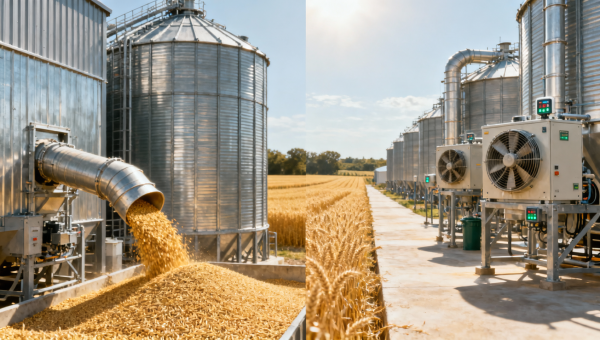
Post-harvest storage is often treated as a logistics function, but for technical evaluators it can be a measurable lever in grain production performance. Temperature control, moisture management, aeration design, and contamination prevention directly influence usable yield, quality grades, and downstream processing efficiency. As input costs rise and supply chains face tighter compliance demands, better storage systems may offer one of the most practical ways to protect harvest value and improve production outcomes without expanding cultivated acreage.
Why Storage Quality Should Be Evaluated as Part of Grain Production
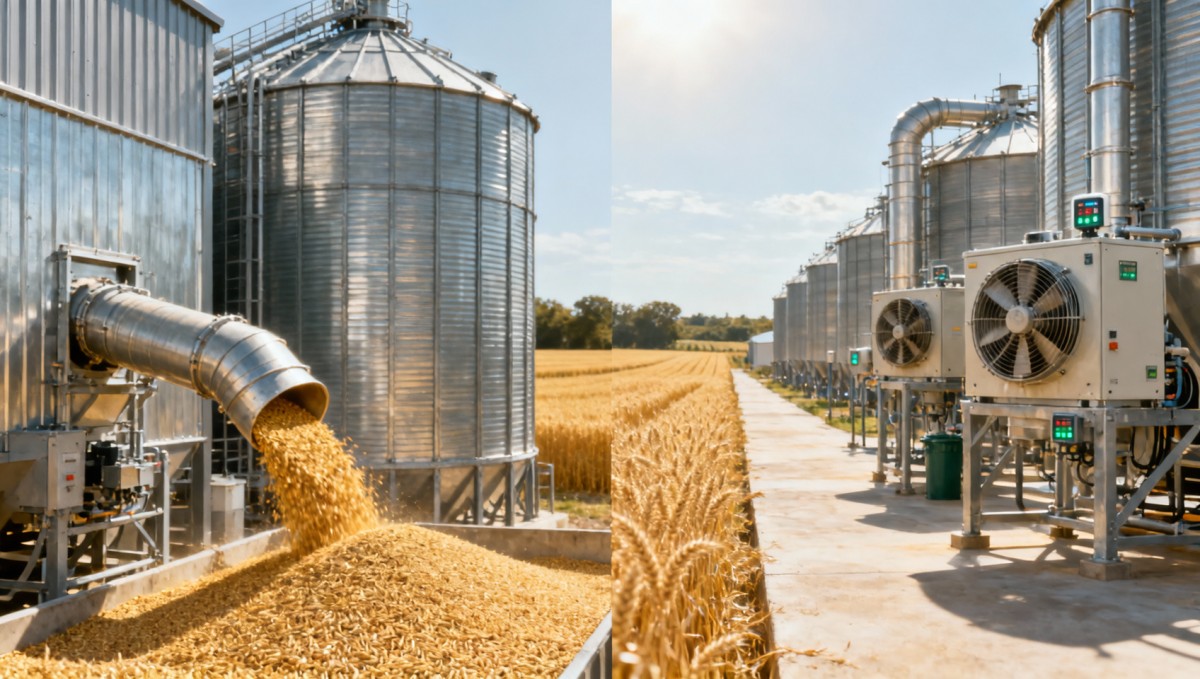
For technical evaluators, grain production does not end at harvest. A harvested crop can lose value through respiration, insect activity, fungal growth, moisture migration, breakage, and grade downgrades before it reaches processing or export.
Better storage improves grain production outcomes by preserving saleable mass, protecting quality specifications, and reducing rejection risks. The improvement is often less visible than field yield gains, but it is easier to measure through shrinkage, grade, and processing recovery.
What “better storage” means in technical terms
- Controlled moisture levels that keep grain below spoilage thresholds for the intended storage duration and regional climate.
- Aeration systems sized to move air evenly through the grain mass without creating dead zones or excessive energy demand.
- Temperature monitoring that identifies biological activity, condensation risk, or fan management errors before quality loss becomes irreversible.
- Hygiene, sealing, and pest exclusion measures that reduce contamination pressure and support food, feed, and export compliance.
In ACC’s editorial coverage of feed and grain processing, agricultural machinery, and supply chain compliance, storage is increasingly assessed as a production control point rather than a passive warehouse asset.
Which Storage Variables Most Affect Grain Production Yields?
A yield discussion normally focuses on seed genetics, fertilizer, machinery timing, and irrigation. Yet post-harvest losses can erase a meaningful portion of field gains if storage parameters are poorly controlled.
The table below summarizes the variables technical evaluators should connect to grain production performance, especially when comparing silos, flat warehouses, drying systems, and monitored storage upgrades.
This evaluation should be linked to actual crop type, storage duration, local humidity, handling frequency, and buyer specifications. A system that is adequate for short-term holding may be insufficient for strategic grain production reserves.
How Better Storage Converts Into Measurable Yield Protection
Storage cannot increase biological field yield after harvest, but it can improve realized grain production yield. The distinction matters when procurement teams justify capital expenditure to operations, finance, and compliance departments.
Three measurable channels
- Physical loss reduction: controlling pests, moisture, and respiration helps preserve harvested mass that would otherwise become shrinkage or screenings.
- Quality preservation: maintaining test weight, germination potential, protein integrity, and low damage levels can protect grade premiums.
- Processing efficiency: cleaner, drier, and more uniform grain improves milling, feed blending, extrusion, malting, or oil extraction consistency.
For technical evaluators, the key is to avoid vague claims. Better storage should be assessed through baseline loss rates, monitored temperature trends, moisture mapping, infestation records, and buyer rejection data.
In regulated supply chains, these records also support traceability. Grain production stakeholders serving food, feed, biochemical, or export markets increasingly need evidence that storage conditions were controlled, not merely assumed.
Storage Options Compared for Different Grain Production Scenarios
No single storage format fits every grain production model. The right choice depends on throughput, climate, crop value, labor availability, site layout, and whether the grain is destined for feed, milling, seed, ethanol, or export.
The following comparison is useful during early technical screening before detailed engineering, vendor quotations, and site-specific load calculations are requested.
The strongest technical case is often a hybrid system. Large grain production operators may combine drying, silos, temperature cables, sampling plans, and warehouse overflow to balance risk and capital intensity.
Procurement Criteria: What Technical Evaluators Should Ask Vendors
Procurement teams often receive proposals that emphasize capacity and price. Technical evaluators should push deeper, because storage performance depends on engineering details, operating assumptions, and after-sales documentation.
Questions that separate a workable system from a risky purchase
- What moisture range, grain type, bulk density, and storage duration were used in the sizing assumptions?
- How is airflow calculated, verified, and adjusted for grain depth, duct layout, and fan static pressure?
- Which sensors are included, where are they placed, and how are alarms logged for compliance review?
- What maintenance schedule is required for fans, conveyors, bucket elevators, seals, vents, and safety devices?
- Can the vendor provide drawings, operation manuals, commissioning records, and spare parts planning?
When grain production margins are tight, the lowest quoted price may not be the lowest lifecycle cost. Downtime during harvest, fan undersizing, or poor sealing can create expensive losses.
AgriChem Chronicle encourages evaluators to request evidence-based submissions: technical datasheets, material specifications, installation references without unverifiable claims, and documented maintenance requirements.
Cost, Risk, and Return: How to Build a Practical Business Case
A storage upgrade should be evaluated against the value it protects, not only the capital it consumes. In grain production planning, the strongest business cases combine loss reduction, market timing, quality premiums, and risk control.
The table below shows how common cost categories relate to operational value. It is not a quotation model, but it helps structure budget discussions with vendors and internal decision makers.
A disciplined return model should compare current shrinkage, quality discounts, fumigation frequency, rejected loads, and delayed loading costs against the expected performance of the improved system.
Compliance and Documentation for Food, Feed, and Export Markets
Storage decisions increasingly affect compliance. Grain production linked to food, feed, bio-extracts, or biochemical processing must address contamination, traceability, chemical residues, and documented operating controls.
Relevant compliance considerations
- Food and feed safety programs may require documented cleaning, pest control, sampling, and corrective actions.
- Export buyers may specify maximum moisture, insect presence, mycotoxin limits, foreign material, and traceability records.
- Facilities using fumigants or grain protectants should follow local regulations, label instructions, worker safety rules, and residue controls.
- Processors may require lot segregation to avoid cross-contact between organic, conventional, seed, feed, or specialty grain streams.
Technical evaluators should align storage design with frameworks such as HACCP principles, GMP expectations where applicable, occupational safety rules, and national grain grading systems.
ACC’s cross-sector perspective is valuable here. Grain production storage now intersects with agricultural machinery, fine chemical use, feed processing, environmental rules, and procurement transparency.
Implementation Roadmap for Storage Improvement Projects
Better storage requires more than purchasing equipment. The implementation plan should define baseline data, engineering requirements, commissioning criteria, and operator routines before installation begins.
A practical sequence for technical teams
- Audit current losses by crop, season, storage duration, rejected loads, pest events, and quality downgrades.
- Define target performance, including moisture range, storage life, handling rate, monitoring frequency, and segregation needs.
- Screen storage concepts against site layout, power availability, harvest flow, labor capacity, and future grain production expansion.
- Request vendor documentation, engineering assumptions, maintenance requirements, and commissioning procedures before final award.
- Train operators on fan timing, sampling, sanitation, alarm response, confined-space safety, and record keeping.
The most common implementation failure is treating monitoring as optional. Without routine readings and corrective action logs, even a well-designed system can underperform in real grain production conditions.
FAQ: Practical Questions About Storage and Grain Production
Can storage systems actually improve grain production yield?
They do not raise field yield after harvest, but they improve realized grain production yield by reducing shrinkage, spoilage, grade downgrades, and processing inefficiency. For many operators, that difference is commercially significant.
What should be checked first when storage losses are suspected?
Start with moisture records, temperature trends, sampling points, fan operation logs, pest activity, roof leakage, and grain turning practices. These indicators usually reveal whether losses come from design gaps or operating discipline.
Is automation necessary for every grain production site?
Not always. Smaller sites may achieve strong results with reliable manual sampling and disciplined fan control. Larger or export-oriented sites usually benefit from automated alarms, continuous records, and centralized monitoring.
Which is more important, drying or aeration?
The answer depends on harvest moisture and storage duration. Drying reduces moisture to a safer level, while aeration manages temperature and moisture migration during storage. Many grain production systems need both.
How should buyers compare vendors fairly?
Compare capacity assumptions, airflow calculations, structural specifications, monitoring scope, commissioning support, spare parts, and lifecycle service. A low bid with weak documentation can expose grain production assets to hidden risk.
Why Choose AgriChem Chronicle for Storage Evaluation Intelligence
AgriChem Chronicle supports technical evaluators who need more than promotional claims. Our editorial framework connects grain production storage with machinery design, feed processing, biochemical supply chains, compliance, and market forecasting.
ACC’s analysis is shaped by agricultural scientists, biochemical engineers, and trade compliance specialists. That multidisciplinary view helps procurement teams question specifications, understand risk, and compare storage solutions with greater confidence.
Consult us when you need to clarify
- Storage parameters for moisture, aeration, temperature monitoring, and sanitation control.
- Vendor comparison criteria for silos, flat warehouses, dryers, sensors, and handling equipment.
- Compliance expectations for feed, food, export, and specialty grain production channels.
- Custom research, technical whitepaper positioning, publication opportunities, and procurement-oriented market briefs.
If your team is assessing a storage upgrade, preparing vendor questions, or validating a grain production investment case, contact AgriChem Chronicle to discuss parameters, selection logic, delivery considerations, documentation needs, and quotation communication.
Related Intelligence
- Grain Silos & StorageHow Modular Feed and Grain Systems Support Scalable Storage and Processing ExpansionModular feed and grain systems enable smarter, scalable expansion across storage, conveying, processing, and loadout. Discover how to eliminate bottlenecks, protect future capacity, and keep operations moving.
- Grain Silos & StorageHow to Size a Grain Pre-Cleaner for Capacity, Crop Type, and Impurity LoadGrain pre cleaner machine sizing guide: match capacity, crop type, moisture, and impurity load to improve flow, separation quality, and downstream performance.
- Grain Silos & StorageHow Can You Verify That a Grain Handling System Meets Export Standards?How do I know if a grain handling system meets export standards? Explore practical checks for traceability, sanitation, quality control, and export-ready compliance.
The Morning Broadsheet
Daily chemical briefings, market shifts, and peer-reviewed summaries delivered to your terminal.
