

The Authority in Global Agricultural Chemistry & Bio-Resources
CME Outage Triggers Crop Volatility, Lifts Silo Talks
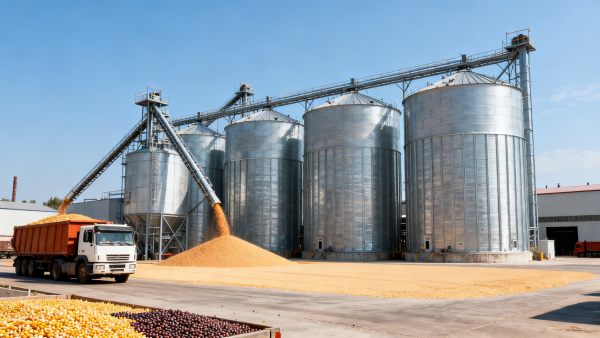
On June 22, 2026, a connectivity disruption on the CME platform led to sharp short-term price swings in agricultural futures including corn and soybeans, pushing attention beyond trading screens and into the physical grain chain. For grain traders, storage equipment exporters, procurement teams, and supply chain service providers, the development matters because it ties market volatility directly to concerns over storage reliability, delivery assurance, and the technical readiness of silo projects now being discussed more urgently by buyers.
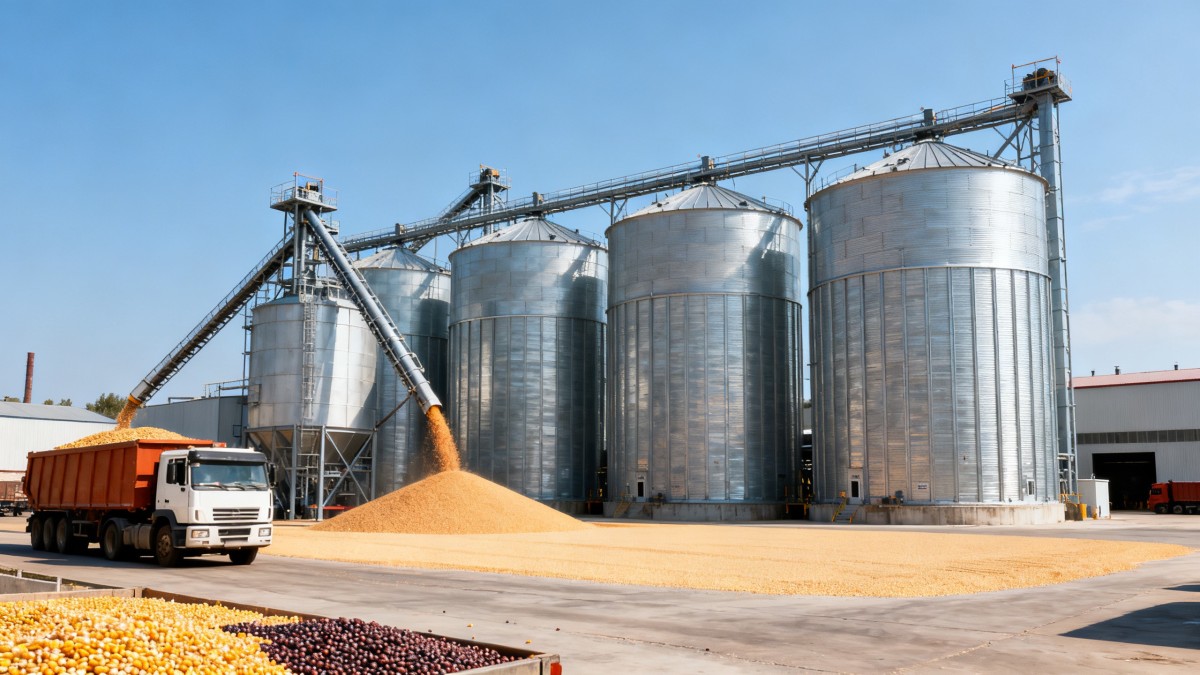
What the market knows so far
Confirmed information indicates that CME experienced a sudden platform connectivity interruption. During that period, agricultural futures such as corn and soybeans saw unusually sharp short-term volatility. The event increased global grain traders’ focus on the stability of storage systems and on delivery protection. Within 24 hours, export inquiries for Grain Silos & Storage equipment rose by 37%. At the same time, some European buyers began emergency tenders and asked suppliers to provide EN 1993-4-1 certification together with real-time inventory monitoring interface solutions.
Where the pressure is showing across the chain
Trading houses are being pushed toward physical safeguards
From an industry perspective, direct trading companies may feel the impact first because abnormal futures volatility can quickly raise concern around execution timing, delivery coordination, and inventory visibility. What deserves closer attention is whether counterparties begin treating storage reliability and monitoring capability as part of transaction security rather than as a separate infrastructure topic.
Equipment exporters face a more technical buying conversation
For exporters of grain silos and storage systems, the immediate effect is not only higher inquiry volume but also a shift in negotiation focus. Analysis shows that buyers are not simply asking for capacity or pricing; they are already emphasizing EN 1993-4-1 certification and real-time inventory monitoring interfaces, which means documentation readiness and solution integration may become more important in live tenders.
European procurement teams appear to be prioritizing delivery assurance
For buyers that have launched emergency tenders, the issue is likely to center on whether suppliers can support storage projects that are easier to verify, monitor, and integrate into operating workflows. Observably, the impact is concentrated in procurement screening, supplier comparison, and tender qualification rather than in a confirmed long-term shift in purchasing strategy.
Supply chain service providers may see new coordination demands
Service providers working around delivery, inventory visibility, or project execution may need to track how clients redefine risk after a trading-platform disruption. The key change to watch is whether requests for monitoring interfaces and compliance materials begin appearing earlier in project discussions, which could affect handoff timing between commercial teams and technical teams.
What companies should watch now
Track any follow-up statements and operating implications
Companies involved in grain trade or storage projects should closely monitor any subsequent official clarification or market communication related to the platform disruption and its practical implications. The important distinction is between a temporary market response and any later procedural change that could influence contract execution or delivery expectations.
Prepare certification and technical documents without delay
For suppliers already active in Grain Silos & Storage exports, a practical priority is to review whether EN 1993-4-1 materials, supporting technical files, and interface descriptions are complete and ready to share. This is directly relevant because some European buyers have already made these items part of emergency tender requirements.
Recheck inventory monitoring capabilities in commercial offers
Analysis shows that real-time inventory monitoring is now appearing as a procurement concern tied to business continuity rather than only an optional digital feature. Companies should therefore verify how clearly their proposals explain monitoring interfaces, data visibility, and the operational role of those functions in storage management.
Align sales, delivery, and client communication teams
Where inquiry volumes rise quickly, internal coordination becomes a practical issue. Exporters and service providers should pay attention to whether sales commitments, document turnaround, and delivery schedules can support urgent buyer conversations without creating avoidable gaps between what is offered commercially and what can be delivered technically.
Why this looks bigger than a brief trading glitch
Observably, this development should not be read only as a short-lived trading incident. It also signals how quickly disruptions in futures-market access can shift attention toward the physical conditions that support grain delivery and inventory control. At the same time, it is not yet a confirmed long-term restructuring of demand. It is more appropriate to understand this as an important market signal that has already changed the tone of buyer inquiries, while still requiring continued observation before broader conclusions are made.
How to read the current signal
The industry significance of this event lies in the connection it exposes between exchange-side disruption, short-term commodity volatility, and immediate procurement behavior in grain storage equipment. A neutral reading is that the market is reacting quickly to delivery-security concerns, and that suppliers with clear compliance and monitoring documentation may receive more attention in the near term. For now, this is better understood as a short-term shock with potential medium-term implications, rather than as a settled change in the market.
Basis of this article and what still needs verification
This article is generated based on the user-provided news title, event date, and event summary. For developments of this type, commonly relevant source categories may include exchange statements, company disclosures, industry association updates, authoritative media reporting, and standard-setting organization documents. A specific official source link was not provided in the input, so further verification is still needed. Follow-up observation should focus on any official explanation of the disruption, whether buyer requirements expand beyond the currently cited certification and monitoring interface requests, and whether the inquiry increase develops into confirmed orders or remains a short-term response.
Related Intelligence
- Grain Silos & StorageHow Can You Verify That a Grain Handling System Meets Export Standards?How do I know if a grain handling system meets export standards? Explore practical checks for traceability, sanitation, quality control, and export-ready compliance.
- Grain Silos & StorageExport-Compliant Grain Storage Systems: Standards, Documentation, and Design ChecksExport compliant storage systems: learn how grain facilities strengthen segregation, condition control, fumigation readiness, traceability, and shipment release.
- Grain Silos & StorageApplication-Based Moisture Specifications for Stored Grain: Limits, Testing, and Risk ControlApplication based moisture specification guide for stored grain: set defensible limits, improve testing, and control spoilage risks across storage applications.
The Morning Broadsheet
Daily chemical briefings, market shifts, and peer-reviewed summaries delivered to your terminal.
