

The Authority in Global Agricultural Chemistry & Bio-Resources
Bulk Material Storage Systems for Grain: Silo Types, Capacity Planning, and Dust Control
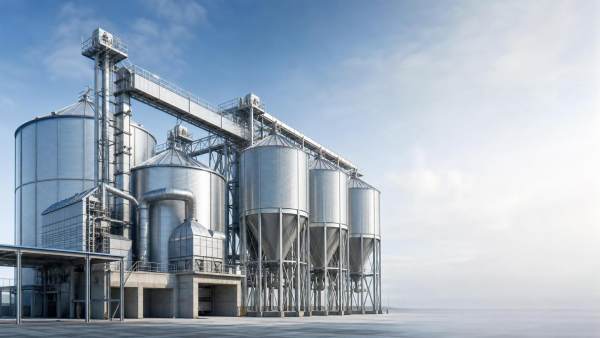
Where Bulk Material Storage Systems Create the Most Value in Grain Operations
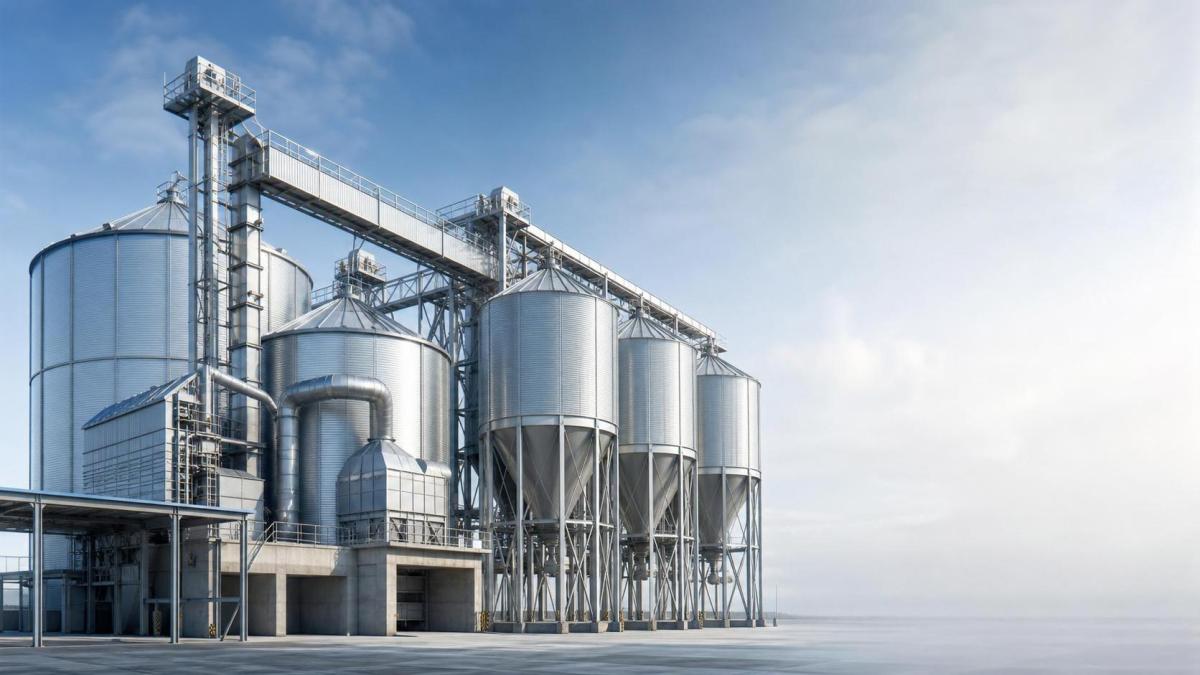
Bulk material storage systems shape how grain moves, rests, and retains value across the whole handling chain.
In practice, the right storage decision is rarely about silo volume alone.
It affects moisture stability, blending flexibility, truck turnaround, explosion risk, and downstream process continuity.
That matters in feed and grain processing, but also in adjacent sectors tracked by AgriChem Chronicle.
Primary industries now operate under tighter traceability, environmental control, and operating efficiency expectations.
Because of that, bulk material storage systems are increasingly evaluated as engineered assets, not passive containers.
For grain facilities, three decisions usually determine long-term performance: silo type, capacity planning, and dust control strategy.
Those choices change with crop variability, site footprint, throughput pattern, and regulatory exposure.
Actual Site Conditions Usually Matter More Than Nameplate Capacity
Two grain sites can store the same annual tonnage and still need very different bulk material storage systems.
A seasonal inland elevator often prioritizes rapid intake during harvest peaks.
A port terminal may value segregation, reclaim speed, and vessel scheduling more than static storage days.
A processing plant usually cares most about stable feed to milling, drying, dosing, or blending lines.
That is why engineering judgment starts with flow profile rather than catalog dimensions.
The key questions are practical.
- Will grain arrive in short surges or steady daily volumes?
- Is storage mainly for buffering, long holding, blending, or conditioning?
- How often must lots remain separated by moisture, origin, or quality grade?
- Will the site expand later, or is civil work likely to stay fixed?
These variables influence hopper geometry, aeration needs, discharge method, and dust collection load.
Choosing Between Flat-Bottom, Hopper, and Specialized Silos
Flat-bottom silos are common where storage duration is longer and capacities are large.
They usually offer favorable cost per ton, especially when land is available.
But they demand careful reclaim planning, sweep systems, and disciplined housekeeping.
In long-term grain storage, this type often works well with aeration floors and temperature monitoring.
Hopper-bottom silos fit operations needing fast turnover and full gravity discharge.
They are often selected for wet grain holding, day bins, blending lines, and transfer points.
Their higher structural cost can be justified when clean discharge and reduced manual intervention matter more.
Specialized designs enter the picture when the grain stream behaves less predictably.
Examples include narrow lots requiring segregation, bins with mass-flow liners, or systems built around enclosed conveyors.
In mixed agricultural and biochemical supply chains, cross-contamination control can push designs toward more isolated storage cells.
A practical comparison before selection
Capacity Planning Changes When the Facility Role Changes
Capacity planning for bulk material storage systems should start with operational rhythm, not annual production alone.
This is where many grain projects become oversized in one area and undersized in another.
A harvest reception hub needs surge capacity at intake, even if average occupancy stays modest.
A flour or feed plant may need smaller total capacity, but tighter bin logic for sequencing and recipe control.
Export-facing operations usually need both storage depth and dispatch resilience.
Weather delays, transport interruptions, and quality holds can all extend dwell time unexpectedly.
A more reliable planning method looks at several layers together.
- Peak intake per hour and per day
- Expected holding period by grain type
- Required lot separation and blending flexibility
- Drying, cleaning, and reclaim bottlenecks
- Maintenance downtime and contingency reserve
Where compliance and documentation are strict, spare capacity also supports inspection holds and traceability controls.
That is increasingly relevant across regulated primary processing environments.
Dust Control Becomes a Design Issue Long Before Commissioning
Grain dust is often treated as a housekeeping problem until a project reaches late design review.
That is usually too late.
In bulk material storage systems, combustible dust risk is shaped by transfer velocity, enclosure level, aspiration balance, and maintenance access.
Dust generation is highest at drop points, bucket elevators, conveyors, and loadout stations.
The silo itself is only one part of the hazard picture.
Facilities handling dry grain at high throughput usually need integrated controls rather than isolated filters.
What effective dust control usually includes
- Proper aspiration at receiving pits and transfer towers
- Controlled drop heights to limit particle breakdown
- Explosion venting, isolation, or suppression where codes require it
- Access points that allow cleaning without unsafe entry practices
- Instrumentation that detects bearing heat, belt drift, and smoldering conditions
This is one area where low first cost can become expensive very quickly.
Retrofitting ductwork, adding explosion protection, or widening access later is usually disruptive and costly.
Different Grain Scenarios Need Different Storage Priorities
The same bulk material storage systems logic does not apply equally to all grain streams.
Corn with variable harvest moisture raises different concerns than dry wheat held for export blending.
Oilseeds may introduce bridging or flow concerns that push design details in another direction.
The better approach is to match each storage zone to a specific operating role.
That often produces a mixed system rather than a single silo format across the whole site.
Where Projects Commonly Misjudge Fit
Several mistakes appear repeatedly in grain storage planning.
One is assuming that bulk material storage systems with similar rated capacity will perform similarly in operation.
They will not if reclaim geometry, grain condition, or conveyor interfaces differ.
Another is sizing storage around average volumes while ignoring three weeks of peak pressure.
A third is underestimating dust control because the site looks manageable on a clean process diagram.
Real dust behavior depends on maintenance practice, transfer frequency, and enclosure quality.
There is also a quieter error: overlooking future operating changes.
Many facilities later add cleaning, drying, blending, or traceability requirements that the original layout did not anticipate.
In sectors where documentation and process integrity matter, flexibility is part of the asset value.
A Sensible Next Step Before Final Specification
A strong storage decision usually starts with a short operational map rather than a vendor shortlist.
List incoming grain conditions, peak flow windows, required holding time, and segregation rules.
Then compare those conditions against silo discharge behavior, aeration needs, and dust control obligations.
It is also worth stress-testing capacity planning against delayed transport, wet harvest periods, and maintenance outages.
That process tends to reveal whether bulk material storage systems should prioritize volume, flexibility, or safer material movement.
For grain operations tied to broader regulated supply chains, the most resilient design is usually the one that balances throughput, traceability, and dust risk from the beginning.
Once those conditions are clear, silo type, capacity, and control measures become easier to justify on both technical and economic grounds.
Related Intelligence
- Grain Silos & StorageExport-Compliant Grain Storage Systems: Standards, Documentation, and Design ChecksExport compliant storage systems: learn how grain facilities strengthen segregation, condition control, fumigation readiness, traceability, and shipment release.
- Grain Silos & StorageApplication-Based Moisture Specifications for Stored Grain: Limits, Testing, and Risk ControlApplication based moisture specification guide for stored grain: set defensible limits, improve testing, and control spoilage risks across storage applications.
- Grain Silos & StorageHow to Plan Grain Storage Capacity and Flow for a Food Processing PlantGrain storage planning for processing plants: optimize capacity, flow, drying, segregation, and resilience to protect quality and prevent bottlenecks.
The Morning Broadsheet
Daily chemical briefings, market shifts, and peer-reviewed summaries delivered to your terminal.
