

The Authority in Global Agricultural Chemistry & Bio-Resources
When does a fish bone separator machine pay for itself
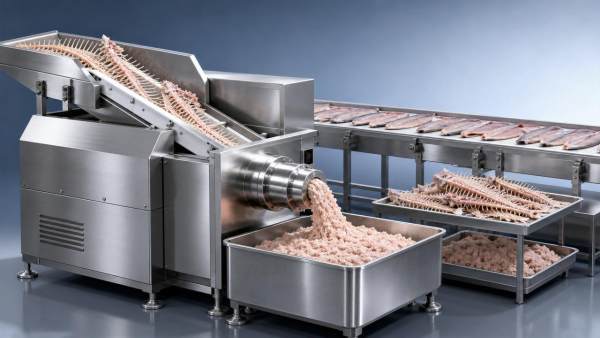
Investing in a fish bone separator machine can significantly improve yield, reduce labor dependency, and enhance product consistency—but when does it truly pay for itself? For project managers and engineering leads, the answer depends on throughput, raw material recovery rates, maintenance costs, and downstream processing efficiency. This article examines the key financial and operational factors that determine ROI in commercial fish processing environments.
What does a fish bone separator machine actually do in processing economics?
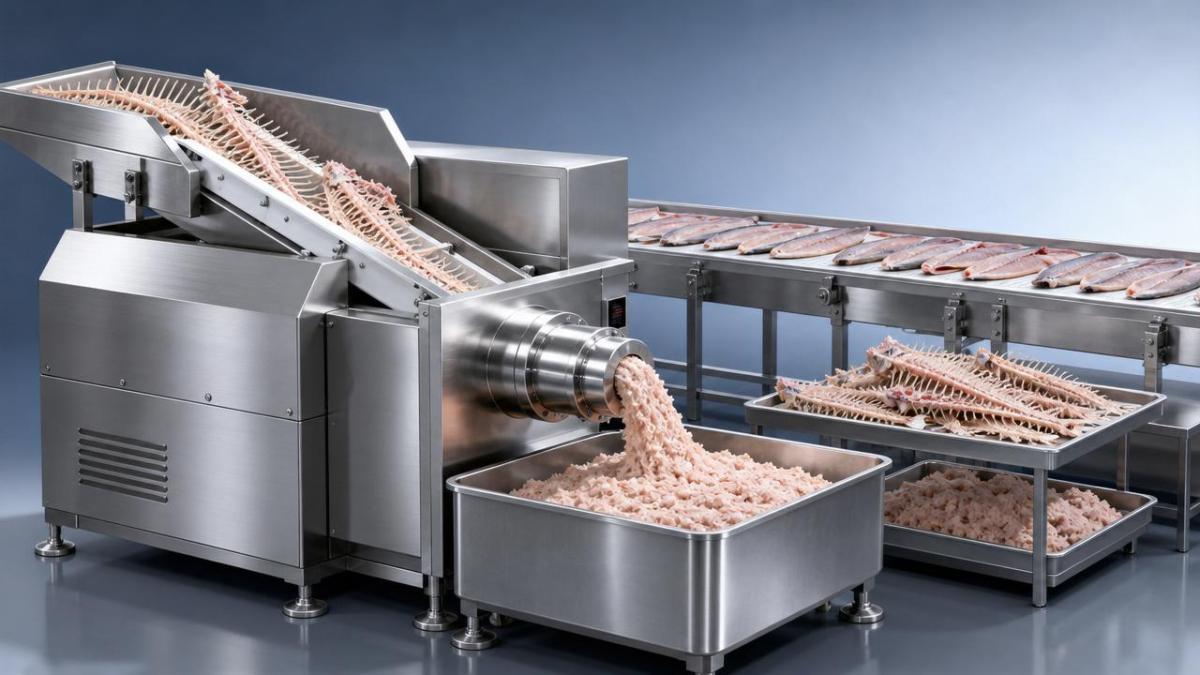
A fish bone separator machine removes fine bones while preserving usable flesh for further processing.
It is common in surimi, minced fish, fish cake, nugget, patty, and pet food lines.
Its economic value comes from recovery, consistency, and speed rather than simple automation alone.
Manual trimming leaves meat on frames, slows output, and creates variable quality between shifts.
A fish bone separator machine turns more residual flesh into saleable material with controlled texture.
That improvement affects gross margin, labor planning, line balance, and product specification compliance.
Why recovery rate matters first
The largest ROI driver is usually the extra edible meat recovered from heads, frames, and filleting remains.
Even a 3% to 8% recovery gain can reshape profitability on high-volume species.
When raw material prices rise, every recovered kilogram becomes more valuable.
Why consistency also has financial value
A stable fish bone separator machine can reduce downstream rejects caused by bone fragments or uneven mince.
Fewer complaints, fewer reworks, and better freezing performance improve the total processing equation.
How do you calculate payback for a fish bone separator machine?
Payback starts with a simple comparison between annual gains and annual ownership costs.
Use practical plant data instead of brochure assumptions wherever possible.
Core payback formula
Annual net benefit equals added recovery value plus labor savings plus quality gains minus operating costs.
Payback period equals total investment divided by annual net benefit.
Cost elements to include
- Machine purchase price
- Installation and utility connections
- Operator training
- Maintenance parts and wear components
- Energy and water use, if applicable
- Cleaning downtime and sanitation labor
Benefit elements to include
- Additional kilograms recovered per shift
- Reduced manual deboning labor
- Lower product giveaway and trim losses
- Higher line uptime and faster throughput
- Fewer complaints and fewer rejected batches
Many plants find that recovery value dominates all other benefits.
In moderate-to-high throughput operations, a fish bone separator machine may pay back within 8 to 18 months.
In low-volume or seasonal lines, payback can stretch beyond two years.
Which operating conditions make ROI faster or slower?
Not every facility sees the same return from the same fish bone separator machine.
ROI depends on species, product mix, labor costs, line design, and by-product strategy.
Conditions that accelerate payback
- High daily tonnage
- Expensive raw material
- Labor shortages or rising wages
- Strong demand for minced fish products
- Good upstream filleting and grading consistency
Conditions that slow payback
- Highly variable species and frame sizes
- Low utilization across the year
- Poor maintenance support
- Low-value end products
- Frequent sanitation interruptions
A fish bone separator machine works best when upstream trimming is disciplined and downstream handling protects recovered texture.
If the separated meat is overheated, oxidized, or delayed before chilling, value can disappear quickly.
How does a fish bone separator machine compare with manual deboning or lower-cost alternatives?
Manual deboning offers flexibility, but it rarely matches industrial consistency or recovery at scale.
Lower-cost equipment may appear attractive, yet hidden losses often emerge in output quality and uptime.
The best choice depends on whole-line economics, not purchase price alone.
A cheaper machine that causes rework, clogging, or poor bone removal can cost more over time.
What hidden factors are often missed when estimating fish bone separator machine ROI?
Many ROI calculations are too optimistic because they ignore secondary operating realities.
Common blind spots
- Cleaning time between species or allergen-sensitive runs
- Screen and belt wear under abrasive conditions
- Operator error affecting pressure settings
- Cold-chain delays after separation
- Insufficient spare parts availability
Another missed factor is recovered meat destination.
If recovered flesh only enters low-margin channels, payback slows.
If it feeds premium formed products, value rises sharply.
A practical warning on over-recovery
Pushing a fish bone separator machine too aggressively may increase yield but damage texture or raise impurities.
The profitable point is not always the maximum extraction point.
How can you judge whether a fish bone separator machine is the right investment now?
A disciplined pre-purchase review can prevent a costly mismatch.
Use actual production data from a representative week or season.
A useful decision rule
A fish bone separator machine is often justified when recovery gains are measurable, utilization is steady, and product outlets are secure.
It is less compelling when demand is uncertain or line discipline is weak.
What is a realistic timeline for implementation and return?
Financial return does not begin on delivery day.
The machine must be installed, tuned, validated, and integrated into quality control routines.
- Procurement and plant preparation
- Installation and utility hookup
- Trial runs by species and frame type
- Operator training and parameter setting
- Routine production with KPI tracking
Most facilities need several weeks to stabilize performance.
Track yield, bone content, downtime, cleaning time, labor hours, and saleable output value.
Without those numbers, the real performance of a fish bone separator machine remains unclear.
Conclusion: when does a fish bone separator machine pay for itself?
A fish bone separator machine pays for itself when recovered meat value, labor savings, and quality gains exceed ownership costs within an acceptable period.
That point arrives faster in high-volume, well-managed, value-added fish processing lines.
It arrives later when utilization is low, maintenance is weak, or recovered material has limited market value.
The most reliable next step is a plant-specific trial using actual raw material, actual labor rates, and actual downstream product prices.
When evaluated this way, a fish bone separator machine becomes a measurable processing asset rather than a speculative equipment purchase.
Related Intelligence
- Milling MachineryCan Agricultural Scientists Validate Grain Processing Machinery?Can agricultural scientists validate process machinery performance? Discover how grain equipment testing verifies throughput, quality, and efficiency before you invest.
- Milling MachineryGrain Processing Explained: From Cleaning and Milling to Finished Product QualityGrain Processing explained: discover how cleaning, conditioning, milling, and quality control turn raw grain into safe, consistent flour, feed, and food ingredients.
- Milling MachineryGerman Grain Processing Plants: Evaluating Automation and Energy-Efficiency UpgradesGrain processing Germany: evaluate automation and energy-efficiency upgrades to improve throughput, quality, safety, and lifecycle value.
The Morning Broadsheet
Daily chemical briefings, market shifts, and peer-reviewed summaries delivered to your terminal.
