

The Authority in Global Agricultural Chemistry & Bio-Resources
What to check before buying a fish oil extraction machine
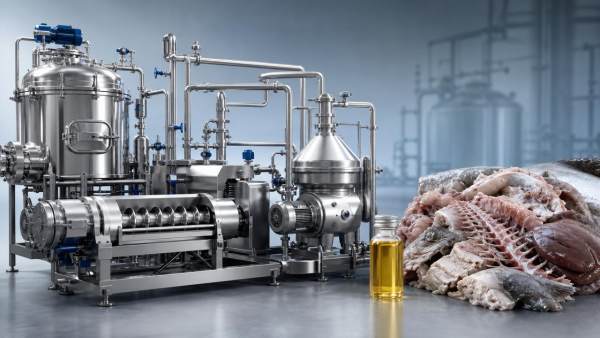
Before investing in a fish oil extraction machine, technical evaluators must verify extraction efficiency, raw material compatibility, contamination control, and compliance with relevant food, environmental, and processing standards. A well-informed assessment reduces operational risk, protects product quality, and ensures long-term return on investment. This guide outlines the critical checkpoints that matter most when comparing equipment for industrial fish oil production.
What should technical evaluators check first in a fish oil extraction machine?
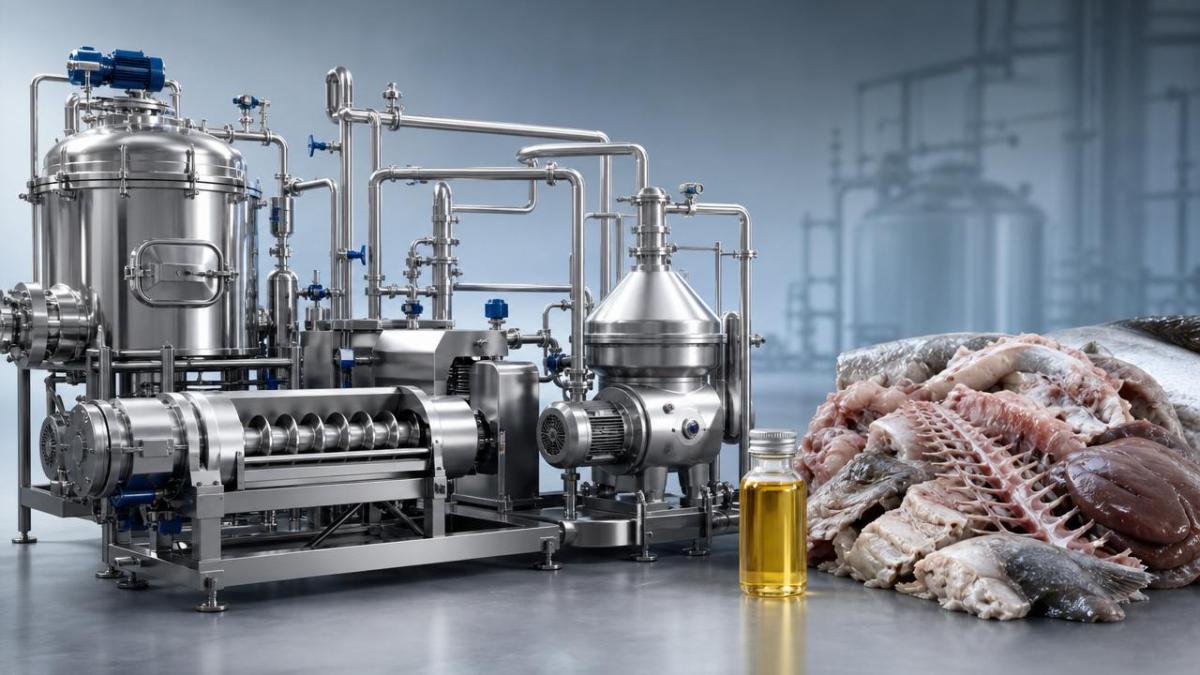
A fish oil extraction machine is not a single-variable purchase. In industrial settings, it sits at the intersection of raw material variability, oil yield targets, hygiene control, energy consumption, and downstream refining requirements.
For technical evaluation teams, the first task is to define the production objective. Is the plant processing whole fish, trimmings, viscera, by-products, or mixed marine biomass? The answer changes the ideal machine configuration.
A machine that performs well with fresh pelagic fish may struggle with high-moisture waste streams or raw materials containing more solids, bones, and unstable lipids. Compatibility must therefore be tested before comparing quoted throughput alone.
- Confirm the targeted input material range, including particle size, moisture level, fat content, and freshness window.
- Check whether the fish oil extraction machine supports continuous or batch processing based on plant layout and shift planning.
- Review how the system manages heating, pressing, centrifugation, filtration, and sludge separation across the full process line.
- Assess whether the equipment design aligns with food-grade handling, cleaning access, corrosion resistance, and wastewater control.
In ACC’s coverage of aquaculture and fishery technology, buyers often underestimate the operational impact of inconsistent feedstock. A strong evaluation starts with process fit, not brochure performance.
Define the process boundary before comparing suppliers
Some suppliers quote only the core extraction unit, while others include cookers, screw presses, decanters, oil polishing modules, storage tanks, and CIP interfaces. Technical teams should normalize the scope before making cost comparisons.
Without a clear boundary, one proposal may appear less expensive simply because essential separation or sanitation functions have been excluded from the quote.
Which performance parameters matter most during equipment selection?
When screening a fish oil extraction machine, technical evaluators should focus on measurable parameters tied to output quality, plant stability, and maintenance burden. The table below provides a practical shortlist for internal scoring.
These parameters help move discussions away from generic claims and toward process evidence. For procurement teams working across food, aquaculture, and primary processing industries, this approach creates a more defensible approval record.
Do not treat throughput as the main decision metric
A larger nominal capacity does not guarantee better results. If the fish oil extraction machine needs frequent shutdowns, causes excessive emulsion formation, or produces oil that requires heavier downstream refining, real productivity may fall below a smaller but more stable unit.
Technical evaluators should ask for performance data tied to feedstock category, moisture range, and target oil specification, not just hourly tonnage.
How do raw material characteristics affect machine choice?
Feedstock is one of the biggest variables in fish oil production. A fish oil extraction machine intended for salmon trimmings may need a different separation profile than one used for mixed small fish, fish frames, or rendering by-products.
Technical teams should assess not only oil content, but also protein solids, water load, bone fragments, enzyme activity, and storage time before processing. Each factor influences extraction efficiency and contamination risk.
- High-moisture raw material may require stronger separation and better sludge handling.
- Raw material with rapid spoilage behavior needs short residence times and reliable temperature management.
- Bone-rich or abrasive inputs increase wear on screws, pumps, and internal surfaces.
- Mixed-origin by-products may increase variation in free fatty acid levels and filtration burden.
Why pilot testing or sample validation matters
Where budget and timeline allow, request test runs using representative samples. Even a limited pilot can reveal oil-water separation behavior, solids carryover, and cleaning difficulty that are not visible in technical drawings.
This is especially important for integrated processors handling both edible-grade and industrial-grade output streams, where quality separation and traceability are critical.
What contamination control and hygiene features should not be overlooked?
In fish oil processing, contamination is not limited to microbiological issues. Technical evaluators must also consider metal wear particles, cleaning chemical residues, oxidized residues from prior batches, and cross-contact from non-food materials.
A fish oil extraction machine should support hygienic design principles through smooth product-contact surfaces, minimized dead zones, controlled seals, drainage planning, and practical access for inspection.
Core hygiene checkpoints
- Verify whether wetted components use appropriate food-contact materials and corrosion-resistant finishes suitable for marine processing environments.
- Check if the system can be cleaned in place or requires full disassembly for key contamination-prone sections.
- Review gasket, seal, and bearing isolation design to reduce lubricant migration or ingress of external contaminants.
- Ask how temperature, residence time, and oxygen exposure are managed to limit oxidation and preserve oil quality.
For technical review teams serving regulated buyers, contamination control is often a deciding factor because poor hygienic design increases both batch rejection risk and audit pressure.
How should you compare machine configurations and process routes?
Not every fish oil extraction machine follows the same extraction route. The right choice depends on raw material form, desired oil purity, utility availability, operator skill level, and downstream integration. The table below helps compare common evaluation pathways.
The key insight is that the most suitable process route is the one that protects final oil value while fitting plant realities. Overspecification can waste capital, while underspecification can lock a facility into chronic quality and maintenance issues.
Questions that sharpen comparison
- How much operator intervention is required during normal and off-spec conditions?
- Which components are fast-wear items, and what is the realistic replacement interval?
- Can the machine integrate with existing tanks, pumps, separators, or refining steps?
- What utility load should be expected for steam, power, water, and effluent handling?
Which standards and compliance issues should be reviewed before purchase?
Compliance requirements vary by end market, but technical evaluators should assume that documentation quality matters almost as much as mechanical quality. A fish oil extraction machine used in regulated supply chains should support traceability, sanitation records, and inspection readiness.
For processors supplying food, nutraceutical, aquafeed, or export markets, the relevant discussion may touch food-contact materials, environmental discharge, cleaning validation, occupational safety, and equipment documentation packages.
Compliance checklist for technical review
ACC regularly examines how regulatory expectations reshape procurement decisions across processing sectors. In that context, strong machine documentation is not paperwork overhead; it is part of the asset’s usable value.
What hidden costs often change the real investment decision?
The purchase price of a fish oil extraction machine is only one part of total ownership cost. Technical evaluators should model utilities, labor intensity, spare parts usage, cleaning downtime, effluent management, and oil loss from imperfect separation.
A lower-priced unit can become more expensive if it consumes excessive steam, needs frequent screw replacement, or produces unstable crude oil that increases downstream refining load.
- Estimate annual wear-part replacement based on raw material abrasiveness and operating hours.
- Quantify the cost of yield loss if residual oil remains high in press cake or sludge streams.
- Include installation, commissioning, operator training, and utility connection work in the budget.
- Review lead times for critical spare parts, especially for imported separators, seals, and controls.
For plants under tight delivery schedules, downtime risk may outweigh small capital savings. That is why lifecycle costing should be part of every serious procurement review.
Common mistakes when buying a fish oil extraction machine
Mistake 1: Evaluating only the core machine
Many buyers focus on the extraction unit but neglect upstream handling and downstream oil clarification. In practice, weak integration can reduce the value of a technically capable machine.
Mistake 2: Accepting generic efficiency claims
Extraction efficiency must be tied to feedstock type, pretreatment, and operating conditions. Broad marketing claims are not enough for approval in industrial procurement.
Mistake 3: Ignoring cleaning and odor management
Fish processing environments create sanitation and odor burdens that can affect workforce safety, plant compliance, and surrounding operations. Design for cleaning should be assessed early.
Mistake 4: Underestimating documentation needs
If the supplier cannot provide clear documentation packages, commissioning delays and audit gaps become more likely, especially when the project serves export or regulated markets.
FAQ: practical questions from technical evaluation teams
How do I know whether a fish oil extraction machine fits my raw material?
Start with feedstock mapping: source, moisture, fat level, solids content, storage time, and contamination risk. Then ask for performance references or test data tied to a comparable material profile. If possible, validate with a pilot or sample trial.
What should be prioritized: yield, hygiene, or capacity?
The answer depends on the business model, but most industrial buyers need balance. A machine with high nominal capacity but weak hygiene control or unstable yield can increase total cost. Technical evaluators should score all three together.
Which documents should I request before technical approval?
Request general arrangement drawings, process flow details, utility requirements, material specifications for product-contact parts, cleaning procedures, maintenance schedules, and spare parts recommendations. These documents reveal how mature the offering really is.
How long does evaluation usually take?
For standard projects, the review period often depends on internal approval steps, data completeness, and whether trial validation is required. Complex multi-line installations usually take longer because utilities, compliance, and plant integration must also be assessed.
Why work with a specialist information partner before making a final decision?
Technical evaluators rarely struggle because of too little equipment advertising. They struggle because supplier claims, compliance requirements, and process realities do not always align. That gap is where specialist industry intelligence becomes valuable.
AgriChem Chronicle supports industrial buyers with cross-sector insight spanning aquaculture and fishery technology, bio-extracts, primary processing, and regulated supply chains. This perspective helps procurement teams evaluate a fish oil extraction machine in the context of real production demands, not isolated specifications.
If you are comparing options, ACC can help frame the right questions around parameter confirmation, equipment scope, compliance expectations, delivery timing, utility assumptions, and supplier documentation quality.
- Request support for parameter confirmation based on your raw material and output targets.
- Discuss product selection logic for batch, continuous, or integrated extraction routes.
- Review likely delivery cycle constraints, installation dependencies, and spare parts planning.
- Clarify documentation and certification expectations for your target market and plant standard.
- Use structured inquiry support for quotation comparison, customization scope, and technical risk screening.
If your team is preparing a fish oil extraction machine purchase, this is the right stage to validate assumptions before capital is committed. A disciplined review now can prevent costly redesign, underperformance, and compliance setbacks later.
Related Intelligence
- Food Grade EnzymesWhat Drives Industrial Enzyme Costs? Activity, Format, and Supply Risk ExplainedIndustrial enzyme cost factors explained: compare activity, formulation, shelf life, documentation, and supply risk to reduce process costs and improve purchasing decisions.
- Food Grade EnzymesIs There a Global Standard for Biochemical Engineering Product Quality?Is there a global standard for biochemical engineering product quality? Explore GMP, ISO, traceability, and supplier checks for confident global sourcing.
- Food Grade EnzymesHow Enzymes for Cracker Formulation Improve Texture and Shelf LifeEnzymes for cracker formulation can enhance dough handling, crisp texture, and shelf life. Explore targeted enzyme strategies for consistent, high-quality crackers.
The Morning Broadsheet
Daily chemical briefings, market shifts, and peer-reviewed summaries delivered to your terminal.
