

The Authority in Global Agricultural Chemistry & Bio-Resources
SABIC Mandates Eco-Friendly Carriers for Food-Grade Enzymes Export to Saudi Arabia
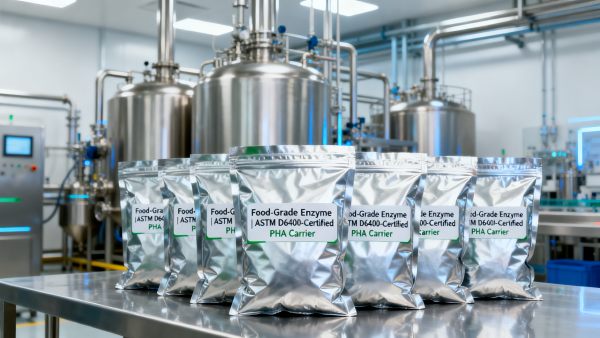
SABIC (Saudi Basic Industries Corporation) updated its Food-Grade Enzymes Supply Chain White List technical annex on May 12, 2026, requiring all food-grade enzyme suppliers exporting to Saudi Arabia to switch to ASTM D6400-certified bio-based carriers—such as PHA and cellulose microspheres—effective July 1, 2026. This replaces conventional talc and diatomaceous earth. Chinese exporters must complete carrier substitution and register with the Saudi Food and Drug Authority (SFDA) by end-June 2026. The update directly impacts enzyme manufacturers, formulation houses, export traders, and regulatory compliance service providers serving the Middle Eastern food ingredient market.
Event Overview
On May 12, 2026, SABIC published an update to the technical annex of its Food-Grade Enzymes Supply Chain White List. The revision mandates that, starting July 1, 2026, all food-grade enzyme products supplied to Saudi Arabia must use carriers certified to ASTM D6400 (Standard Specification for Labeling of Plastics Designed to be Aerobically Composted in Municipal or Industrial Facilities). Acceptable carriers include polyhydroxyalkanoates (PHA) and cellulose microspheres. Talc and diatomaceous earth are no longer permitted. Chinese exporters are required to finalize carrier replacement and complete SFDA备案 (registration) by June 30, 2026.
Industries Affected
Direct Export Trading Enterprises
These enterprises act as intermediaries between Chinese enzyme producers and Saudi importers. They are affected because they bear primary responsibility for customs clearance, documentation alignment, and SFDA registration timelines. Non-compliance risks shipment rejection at Saudi ports after July 1, 2026.
Enzyme Manufacturing & Formulation Companies
Manufacturers producing food-grade enzymes for export must reformulate products to replace talc or diatomaceous earth with ASTM D6400-compliant carriers. This involves revalidation of stability, activity retention, and shelf-life testing—potentially delaying batch release and affecting order fulfillment cycles.
Raw Material Procurement Units
Purchasing departments sourcing carriers face immediate supply chain pressure: PHA and certified cellulose microspheres are not yet widely stocked in standard food-grade chemical inventories in China. Lead times, certification verification (e.g., ASTM D6400 test reports from accredited labs), and supplier qualification become critical bottlenecks.
Regulatory Compliance & Certification Service Providers
Third-party consultants assisting with SFDA registration must now verify carrier compliance documentation—including full material safety data sheets (MSDS), biodegradability test certificates per ASTM D6400, and traceability records. Their scope of work expands beyond labeling and GMP audits to include carrier-specific technical dossier preparation.
Key Considerations and Recommended Actions for Stakeholders
Monitor official SFDA guidance on implementation timelines and documentation templates
While SABIC issued the technical annex, SFDA enforces market access. Stakeholders should track SFDA’s public notices for any clarification on acceptable evidence formats, transitional arrangements, or phased enforcement—especially given the tight June 30 deadline for registration.
Prioritize carrier qualification for high-volume export SKUs
Not all enzyme products may require immediate reformulation. Companies should identify top-5 export SKUs by volume/value to Saudi Arabia and focus validation and registration efforts there first—avoiding blanket reformulation before confirming actual demand impact.
Distinguish between policy signal and operational readiness
The May 12 announcement is a binding technical requirement—not a draft or consultation. However, practical readiness depends on availability of certified carriers and lab capacity for ASTM D6400 testing. Enterprises should treat this as a hard deadline but verify current lab turnaround times (e.g., 10–15 working days for full ASTM D6400 biodegradability assessment) when planning timelines.
Initiate cross-functional coordination now across R&D, procurement, QA, and regulatory affairs
Switching carriers affects multiple departments: R&D validates performance; procurement secures qualified vendors; QA updates specifications and stability protocols; regulatory handles SFDA submission. A dedicated internal task force with weekly checkpoints is advisable to avoid last-minute bottlenecks ahead of the June 30 cutoff.
Editorial Observation / Industry Perspective
Observably, this SABIC update reflects a tightening convergence of food contact material regulation and environmental compliance in Gulf Cooperation Council (GCC) markets. It is less a standalone product standard and more a signal of broader regulatory direction—where functional performance is increasingly tied to verifiable sustainability credentials. Analysis shows that while the mandate applies specifically to carriers (not the enzyme itself), it introduces upstream supply chain accountability previously uncommon in food enzyme trade. From an industry perspective, this is best understood not as an isolated compliance item, but as an early indicator of how GCC regulators may extend similar requirements to other processing aids or excipients in coming years. Continuous monitoring—not just of SABIC but also of SFDA and GCC Standardization Organization (GSO) proposals—is therefore warranted.
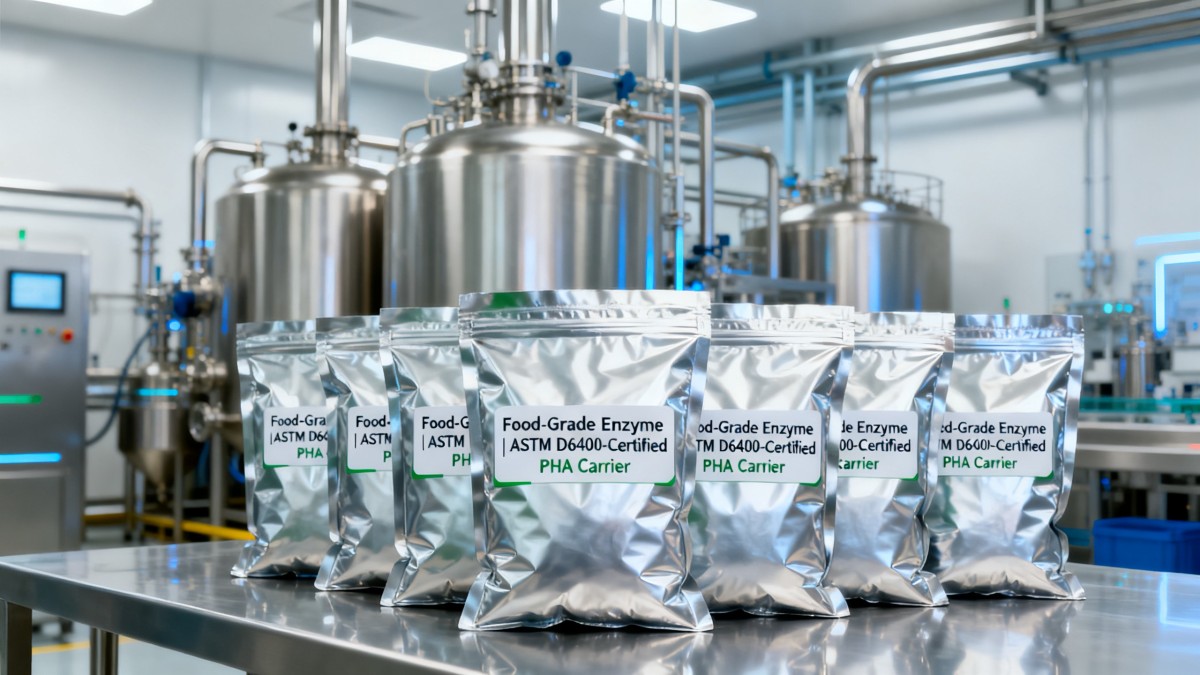
Conclusion: This regulatory update marks a defined shift in technical entry requirements for food-grade enzymes entering Saudi Arabia—not merely a procedural adjustment, but a material-specification mandate with enforceable deadlines. Its significance lies in linking food safety compliance with third-party-verified environmental attributes. Current interpretation should emphasize operational urgency over strategic speculation: the requirement is active, time-bound, and tied to concrete documentation and registration steps. Stakeholders are advised to treat it as a near-term execution priority rather than a long-term trend indicator.
Source: SABIC’s publicly released Technical Annex to the Food-Grade Enzymes Supply Chain White List, effective May 12, 2026. Note: SFDA’s official implementation guidance and registration portal updates remain under observation as of publication date.
Related Intelligence
- Food Grade EnzymesWhat Drives Industrial Enzyme Costs? Activity, Format, and Supply Risk ExplainedIndustrial enzyme cost factors explained: compare activity, formulation, shelf life, documentation, and supply risk to reduce process costs and improve purchasing decisions.
- Food Grade EnzymesIs There a Global Standard for Biochemical Engineering Product Quality?Is there a global standard for biochemical engineering product quality? Explore GMP, ISO, traceability, and supplier checks for confident global sourcing.
- Food Grade EnzymesHow Enzymes for Cracker Formulation Improve Texture and Shelf LifeEnzymes for cracker formulation can enhance dough handling, crisp texture, and shelf life. Explore targeted enzyme strategies for consistent, high-quality crackers.
The Morning Broadsheet
Daily chemical briefings, market shifts, and peer-reviewed summaries delivered to your terminal.
