

The Authority in Global Agricultural Chemistry & Bio-Resources
What new buyers miss in feed & grain processing technology
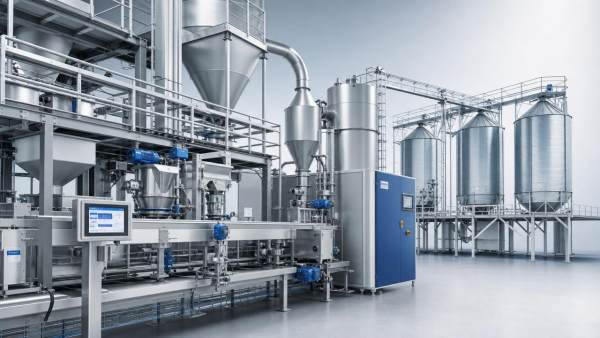
Many first-time evaluations of Feed & Grain processing technology begin with throughput, budget, and delivery time. Those factors matter, but they rarely determine lifetime performance.
In real operating environments, hidden variables decide whether a system protects margins or drains them. Automation logic, cleaning design, dust control, moisture balance, and service access often outweigh headline specifications.
This matters across the wider industrial landscape. Feed mills, grain handlers, ingredient processors, and integrated agri-processing sites all depend on Feed & Grain processing technology that stays efficient, compliant, and predictable.
Understanding what new buyers miss helps prevent expensive retrofits, unstable product quality, and avoidable downtime. It also supports better supplier comparisons and stronger long-term operational planning.
Why the same Feed & Grain processing technology fails in different operating scenarios
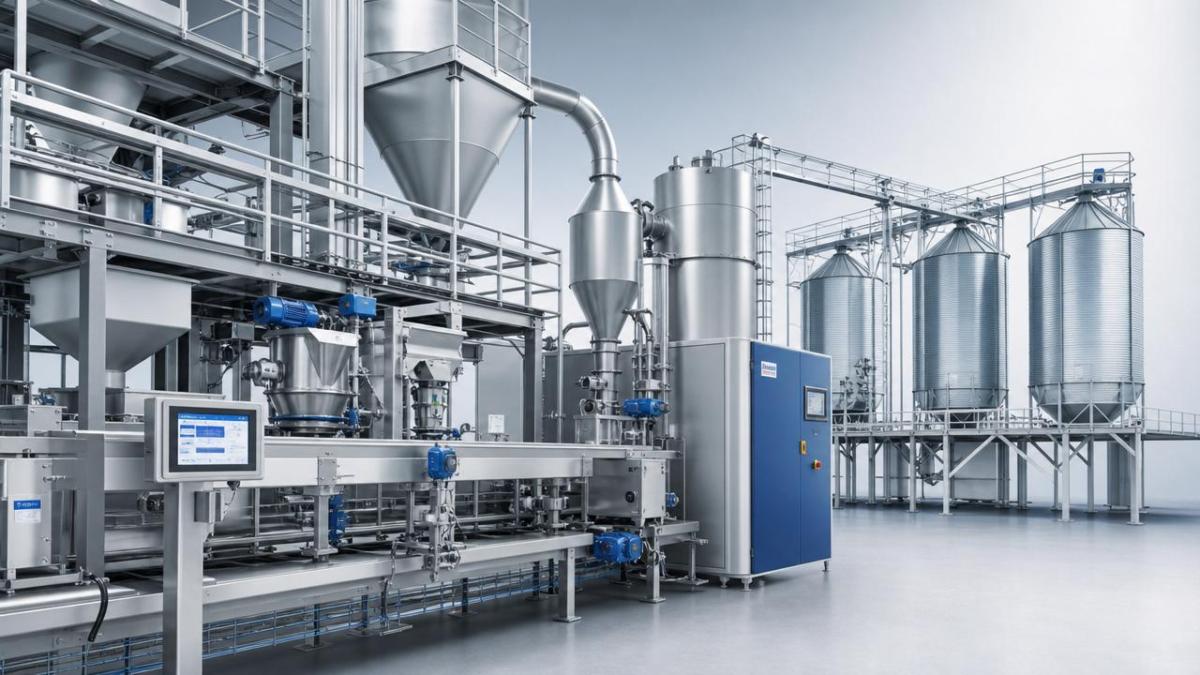
Not every plant runs the same raw materials, production rhythm, or quality target. A design that works well for bulk cereal handling may struggle in medicated feed, oilseed meal, or multi-formula production.
New buyers often assume Feed & Grain processing technology is modular enough to suit any future need. In practice, layout logic, contamination risk, and utility demand can narrow flexibility very quickly.
The first task is not choosing a machine. It is defining the actual scenario: raw material variability, sanitation standard, recipe complexity, target particle size, and expected expansion path.
Scenario one: single-product bulk grain handling
For high-volume grain intake and transfer, throughput is important, but flow stability matters just as much. Poor hopper angles, weak aspiration, or undersized conveyors can create hidden bottlenecks.
In this scenario, Feed & Grain processing technology should prioritize dust management, moisture monitoring, gentle conveying, and reliable cleaning before storage or milling.
Scenario two: multi-formula animal feed production
Formula changes increase the risk of carryover, weighing errors, and inconsistent mixing. Here, flexibility, traceability, and clean-out performance become more valuable than maximum nominal capacity.
Buyers comparing Feed & Grain processing technology for this use case should inspect batching accuracy, automation recipes, purge design, and mixer discharge efficiency.
Scenario three: specialty or regulated ingredient processing
Specialty ingredients demand tighter process control. Heat exposure, segregation, allergen risks, and sampling access can directly affect compliance, product claims, and customer acceptance.
In these conditions, Feed & Grain processing technology must be judged on sanitation access, validation support, documentation quality, and control-system auditability.
What new buyers often overlook when comparing system options
Capacity figures are usually based on ideal material flow. Real performance changes with moisture, bulk density, fat content, particle shape, and ambient conditions.
That is why a serious review of Feed & Grain processing technology should go beyond brochures. The following areas often reveal the real difference between low upfront cost and durable value.
Automation depth, not just automation presence
A touchscreen does not guarantee smart process control. Buyers should ask whether the system supports trend logging, alarms by root cause, batch traceability, and remote diagnostics.
Advanced Feed & Grain processing technology can reduce operator dependence, improve recipe consistency, and shorten fault resolution. Weak automation creates unstable quality and slower response times.
Energy profile across the full line
Many buyers compare the main machine but ignore fan loads, compressed air demand, thermal systems, and idle energy waste. Utility costs can reshape total ownership economics.
Efficient Feed & Grain processing technology should be assessed by energy consumption per ton, heat recovery options, variable speed control, and load balancing across the line.
Maintenance access and spare parts logic
A compact design may save floor space while making inspection difficult. If wear parts require long shutdowns, maintenance costs rise and production reliability drops.
Practical Feed & Grain processing technology includes access doors, standardized components, clear lubrication points, and local spare parts availability.
Contamination and cleaning risks
Dead zones, rough internal surfaces, and poor discharge behavior can trap residue. That creates microbiological concerns, allergen carryover, and formula contamination.
Well-designed Feed & Grain processing technology reduces retention points and simplifies verification. This becomes critical when products vary by nutrient profile or regulatory sensitivity.
How operating needs differ across common processing environments
The table below shows why the best Feed & Grain processing technology depends on the actual application rather than a generic capacity target.
Scenario-based guidance for choosing Feed & Grain processing technology
A better selection process starts with application fit. These practical checks help align Feed & Grain processing technology with real plant conditions.
- Map raw materials by moisture, oil, density, and seasonal variability before requesting performance guarantees.
- Define sanitation expectations early, especially when handling medicated, allergen-sensitive, or premium formulations.
- Request utility consumption data for the whole line, not only for grinders, pellet mills, or conveyors.
- Review access for inspection, screen changes, die changes, and routine cleaning in realistic maintenance windows.
- Check whether controls support future expansion, recipe additions, extra bins, or plant-wide data integration.
- Ask for wear-part schedules under materials similar to your own, not under laboratory assumptions.
When applied early, these checks improve both technical due diligence and budget accuracy. They also expose where Feed & Grain processing technology may require upstream or downstream changes.
Common misjudgments that create long-term cost after installation
One frequent error is buying for average load instead of peak variability. A system may run smoothly on normal days, then fail during difficult harvest lots or recipe shifts.
Another mistake is underestimating dust and explosion protection. Feed & Grain processing technology operates in environments where housekeeping, aspiration, and risk mitigation are essential.
Buyers also overlook the effect of poor sampling points. Without reliable in-process verification, plants struggle to confirm particle size, moisture, mix uniformity, or contamination status.
Some systems appear economical because they exclude commissioning depth, operator training, or documentation support. The result is delayed start-up and inconsistent early performance.
A final blind spot is overreliance on nameplate output. The best Feed & Grain processing technology is not the fastest unit on paper. It is the line that sustains safe, repeatable, profitable production.
Next steps for a more confident evaluation
Before comparing proposals, create a scenario brief. Include raw material range, target products, sanitation level, energy constraints, automation expectations, and future expansion plans.
Then use that brief to question every Feed & Grain processing technology supplier on the same technical basis. Consistent questions produce comparable answers and reveal hidden gaps quickly.
- List the operating scenarios the line must support in year one and year three.
- Identify the highest-cost failure points, such as contamination, downtime, or energy waste.
- Ask for proof of performance under similar materials and similar cleaning expectations.
- Review maintenance, training, controls, and spare parts as part of the purchase decision.
Informed selection of Feed & Grain processing technology is less about buying a machine and more about fitting a system to a working environment. That shift in perspective protects output, compliance, and long-term value.
Related Intelligence
- Milling MachineryCan Agricultural Scientists Validate Grain Processing Machinery?Can agricultural scientists validate process machinery performance? Discover how grain equipment testing verifies throughput, quality, and efficiency before you invest.
- Milling MachineryGrain Processing Explained: From Cleaning and Milling to Finished Product QualityGrain Processing explained: discover how cleaning, conditioning, milling, and quality control turn raw grain into safe, consistent flour, feed, and food ingredients.
- Milling MachineryGerman Grain Processing Plants: Evaluating Automation and Energy-Efficiency UpgradesGrain processing Germany: evaluate automation and energy-efficiency upgrades to improve throughput, quality, safety, and lifecycle value.
The Morning Broadsheet
Daily chemical briefings, market shifts, and peer-reviewed summaries delivered to your terminal.
