

The Authority in Global Agricultural Chemistry & Bio-Resources
Commercial Bakery Equipment List: What to Buy First for a New Bakery Setup
Choosing the right commercial bakery equipment at the start shapes production speed, labor use, food safety, and future expansion. A smart first purchase plan is less about buying everything at once and more about building a system that supports reliable output from day one.
For a new setup, the best approach is to prioritize equipment that directly affects core product quality, workflow stability, and regulatory readiness. In practice, that means starting with the machines that turn ingredients into sellable products consistently, then adding items that improve volume, efficiency, and menu flexibility.
This matters even more in today’s industrial supply environment. Across food processing, fine chemicals, feed systems, and other primary industries tracked by AgriChem Chronicle, the same procurement principle keeps showing up: buy for process control first, then buy for scale.
Start with the commercial bakery equipment that controls output
A new bakery does not need the longest possible equipment list. It needs the right foundation. The first purchases should support mixing, proofing, baking, cooling, storage, and sanitation without creating bottlenecks.
That is the point where commercial bakery equipment becomes a business decision, not just an operations expense.
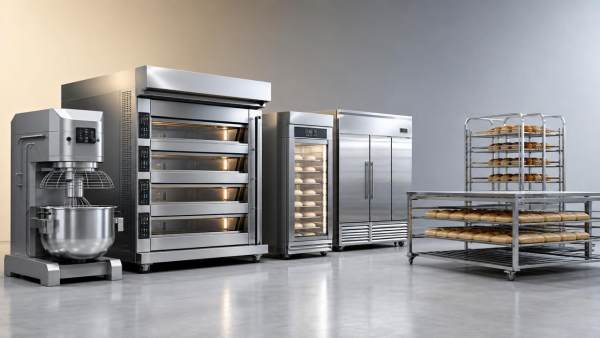
[Image 01: Core commercial bakery equipment layout for a new bakery production floor]
The items below are usually the first ones worth budgeting for. Their order may shift slightly by product mix, but the logic stays the same.
- A commercial mixer should come first because it directly affects dough consistency, batch timing, and labor efficiency. Choose capacity based on peak daily output, not average demand.
- A commercial oven is the revenue engine in most setups. Deck, convection, or rack models should match product type, bake profile, utility cost, and expected production rhythm.
- Proofing equipment matters early when bread or yeast-based products drive sales. Stable humidity and temperature reduce waste, improve texture, and protect scheduling during busy hours.
- Worktables and prep stations support faster movement between scaling, shaping, and finishing. Stainless surfaces are easier to sanitize and better suited for long-term compliance needs.
- Sheet pans, racks, and trays look minor, but underbuying them slows everything. Many new bakeries have enough oven power but not enough handling capacity between steps.
- Refrigeration and ingredient storage should be sized with delivery cycles in mind. Good storage protects raw material quality and helps control procurement costs over time.
- Cooling racks or dedicated cooling systems are essential for product stability and packaging speed. Skipping this step often causes condensation, texture loss, and shelf-life problems.
- A dishwashing and sanitation setup should be planned from the beginning. Cleaning capacity affects shift turnover, food safety, and inspection readiness just as much as production tools.
Buy in the order that protects cash flow
One common mistake is buying high-visibility equipment before buying essential throughput equipment. A display case may look impressive, but it cannot fix a slow mixer, weak oven recovery, or poor cold storage.
A better sequence is to separate must-have equipment from phase-two upgrades. That keeps capital focused on assets that produce immediate operating value.
This phased method is familiar across processing sectors. Whether evaluating feed systems, extraction lines, or commercial bakery equipment, strong procurement starts with equipment that secures process reliability.
If the menu is bread-heavy
Bread-focused production usually needs stronger investment in mixers, proofers, deck ovens, and cooling space. Dough handling consistency matters more than front-of-house presentation in the early months.
Check floor load, ventilation, and energy supply before ordering. Heavy bakery equipment often creates installation costs that are missed during budgeting.
If the menu is pastry or cake-focused
Pastry operations usually depend more on refrigeration, precision mixers, sheeters, and controlled finishing areas. In that case, not every oven upgrade needs to happen immediately.
The first check should be temperature-sensitive workflow. Butter handling, cream storage, and post-bake finishing often decide whether daily output stays profitable.
Do not ignore utility, compliance, and supply chain fit
The best commercial bakery equipment on paper can still become a bad purchase if the site cannot support it. Utility demand, cleaning requirements, spare parts access, and service response time all affect total cost.
This is where many procurement decisions go wrong. The machine price gets attention, while lifecycle cost stays underestimated.
- Check gas, electric, water, drainage, and ventilation capacity before signing. A lower-priced oven can become more expensive if infrastructure upgrades are required afterward.
- Ask for cleaning procedures and maintenance intervals in writing. Equipment that looks efficient during a demo may consume too much labor during real daily sanitation.
- Confirm spare parts availability and local service coverage. Downtime on core commercial bakery equipment quickly turns into lost sales, rushed labor, and missed delivery windows.
- Review food-contact materials, certifications, and safety documentation carefully. Compliance gaps can delay opening, complicate inspections, or create avoidable replacement costs later.
- Check whether equipment dimensions allow smooth receiving and installation. Door clearances, corridor width, and final positioning often cause overlooked project delays.
AgriChem Chronicle regularly highlights this same pattern across regulated industrial sectors: a procurement decision only becomes efficient when technical fit, compliance, and supply continuity are assessed together.
What is often missed in a first commercial bakery equipment plan
New bakery setups often focus on primary machines and forget the supporting items that keep production moving. These gaps rarely look serious during planning, but they show up fast after opening.
- Ingredient bins, scales, and labeling tools are easy to postpone, yet they support traceability, portion control, and inventory discipline from the first production day.
- Packaging stations deserve early planning when takeout, wholesale, or delivery channels are involved. Without enough bench space, finished goods pile up and dispatch slows.
- Ventilation and heat management affect working conditions more than expected. Poor airflow can reduce staff efficiency and also compromise product consistency in warmer climates.
- Waste handling equipment should not be treated as an afterthought. Trim, expired ingredients, and cleaning waste all need clear movement paths to protect hygiene.
Another overlooked issue is buying equipment for a menu that is too wide. A narrow launch menu usually leads to better equipment utilization, cleaner training, and faster payback.
Used equipment can work, but only selectively
Buying used commercial bakery equipment can reduce startup cost, especially for racks, tables, or some mixers. Still, older ovens and refrigeration units carry more risk if service history is unclear.
A practical rule is simple: buy used for lower-risk support items, and be more cautious with core production assets that can stop the whole line.
A practical way to compare suppliers before ordering
When comparing suppliers, avoid judging only by quote totals. A slightly higher bid may deliver better uptime, stronger warranties, easier maintenance, and better long-term economics.
This is especially relevant when sourcing commercial bakery equipment through international channels, where freight, installation coordination, and documentation quality can change the real landed cost.
In short, the first commercial bakery equipment purchases should build a dependable production base. Mixers, ovens, proofing control, refrigeration, workstations, and sanitation systems usually deserve priority because they protect product quality and operating rhythm.
From there, add specialty equipment only after the menu, sales pattern, and labor reality become clear. That slower, more disciplined approach often leads to lower waste, better cash flow, and a more resilient bakery operation.
The next step is simple: map the target menu, estimate peak-hour volume, verify utilities, and rank every equipment item by its effect on output. That process turns a basic commercial bakery equipment list into a procurement plan that is actually ready to perform.
Related Intelligence
- Milling MachineryChanging Hammer Mill Screens: Particle Size Control and DowntimeIs it easy to change the screen or adjust the output size of the hammer mill? Discover practical tips for smoother screen changes, consistent particle size, and less downtime.
- Milling MachineryHow Should Milling Machinery Be Maintained to Extend Its Service Life?Learn how to maintain processing machinery to extend service life with practical milling maintenance tips on cleaning, lubrication, and wear checks to reduce downtime.
- Milling MachineryWhat Is the Difference Between Primary and Secondary Grain Processing?What is the difference between primary and secondary grain processing? Compare key operations, equipment needs, and quality risks to choose the right investment for your business.
The Morning Broadsheet
Daily chemical briefings, market shifts, and peer-reviewed summaries delivered to your terminal.
