

The Authority in Global Agricultural Chemistry & Bio-Resources
Why feed & grain processing technology fails to scale
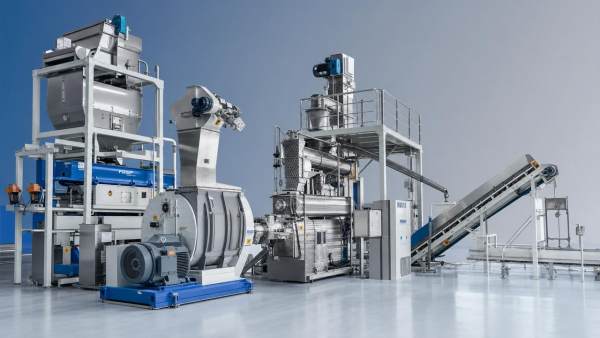
Why does feed & grain processing technology perform well in pilot projects yet fail to scale across industrial operations? For decision-makers, the challenge is rarely a single machine or process—it is the complex interaction of throughput, compliance, raw material variability, energy efficiency, and supply chain control. Understanding where feed & grain processing technology breaks down at scale is essential for reducing risk, protecting margins, and building resilient production systems.
Why scaling feed & grain processing technology is harder than pilot success suggests
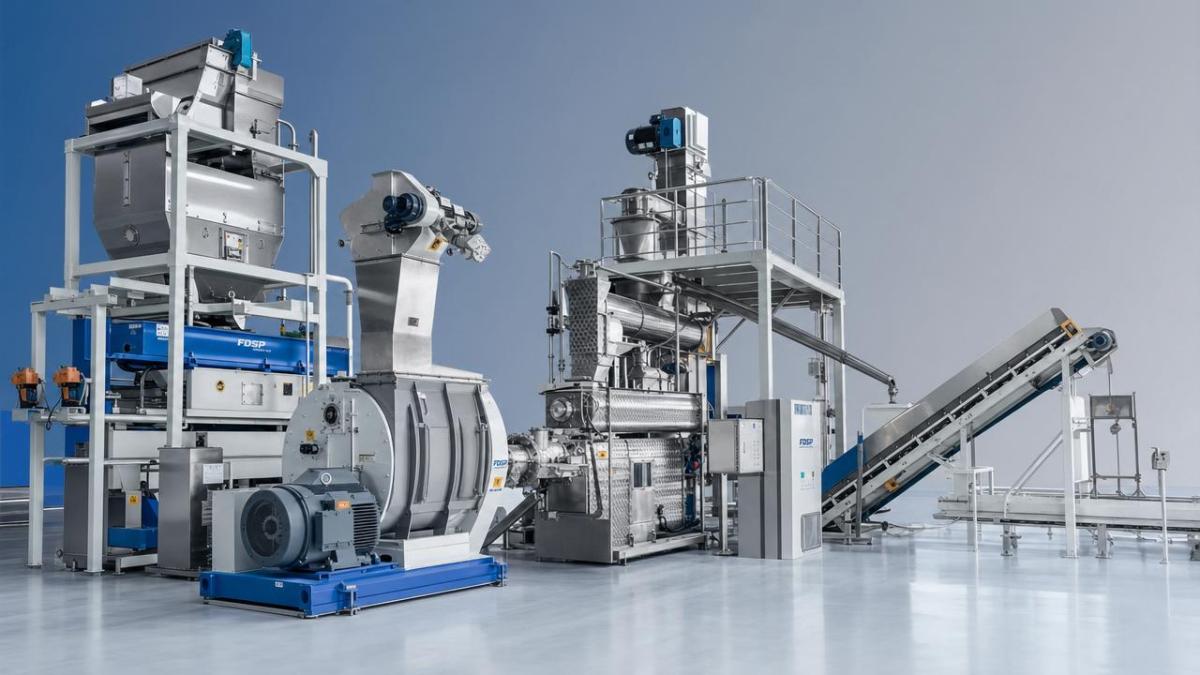
In pilot environments, feed & grain processing technology usually handles controlled inputs, limited production windows, and simplified operating conditions. Industrial plants face a different reality: inconsistent grain moisture, broader ingredient mixes, labor variation, tighter sanitation schedules, and constant pressure on yield and uptime.
This gap matters to executives because scale failure is rarely visible in a vendor brochure. Capacity may look sufficient on paper, yet line stability declines once throughput rises, utilities fluctuate, and downstream handling systems become bottlenecks.
For complex primary industries, the issue is not whether a hammer mill, conditioner, dryer, or pellet press can run. The issue is whether the full processing chain can hold specification, cost targets, and compliance requirements at commercial volumes.
- Pilot trials often use cleaner, narrower raw material streams than full-scale procurement contracts deliver.
- Utilities such as steam, compressed air, and power quality are usually more stable during testing than during 24/7 production.
- Changeovers, maintenance intervals, and operator decisions have a much larger impact once multiple product grades are introduced.
What decision-makers often underestimate
A scalable system depends on process integration, not isolated equipment efficiency. A high-performance milling unit cannot compensate for poor intake screening, weak batching accuracy, inadequate aspiration, or cooling limitations after pelleting.
This is where informed market intelligence becomes valuable. AgriChem Chronicle helps industrial buyers interpret technical claims in the context of plant realities, regulatory exposure, and global sourcing constraints rather than evaluating machinery in isolation.
Where feed & grain processing technology usually breaks at industrial scale
The following comparison highlights why feed & grain processing technology that appears robust in small-scale validation can struggle after scale-up. It focuses on typical transition points that affect capacity, consistency, and operating cost.
The common pattern is clear: scale exposes interactions. When feed & grain processing technology is specified around nominal capacity rather than real operating ranges, plants inherit avoidable instability.
The five recurring failure points
- Underdesigned intake and pre-cleaning systems that allow foreign matter and inconsistent flow to disrupt the whole line.
- Conditioning and moisture control that work in trial mode but cannot maintain uniform thermal treatment at higher tonnage.
- Pelleting or extrusion steps sized for peak output claims rather than realistic die wear, recipe shifts, and maintenance cycles.
- Weak automation logic that captures alarms but does not support root-cause analysis, recipe governance, or traceable interventions.
- Fragmented supplier accountability when different vendors provide major subsystems without clear integration responsibility.
How to evaluate feed & grain processing technology before committing capital
Executives should test scale-readiness through a procurement lens, not just a technical demonstration. The right question is not “Can this machine produce output?” but “Can this system meet target economics and compliance under variable plant conditions?”
A structured evaluation framework reduces the risk of overbuying, underengineering, or selecting equipment that requires excessive operator intervention to stay within specification.
Procurement checklist for industrial buyers
- Verify throughput across multiple recipes, not only the easiest grain profile or the vendor’s preferred test material.
- Request utility consumption ranges at partial and full loads, including steam, electricity, water, and compressed air if relevant.
- Assess sanitation design and cleanout time, especially where medicated feed, specialty feed, or export-grade product segregation matters.
- Confirm spare parts strategy, wear component lead times, and regional service coverage before signing the supply contract.
- Demand integration logic for instrumentation, alarms, batching records, and traceability data rather than treating automation as an optional extra.
The table below summarizes the decision criteria that matter most when selecting feed & grain processing technology for expansion, plant modernization, or greenfield investment.
A disciplined evaluation process shifts discussion from headline capacity to operating resilience. That is often where winning projects are decided.
What compliance, quality, and traceability mean at scale
For enterprise buyers, feed & grain processing technology must support more than production targets. It also needs to align with food and feed safety expectations, customer audit requirements, environmental obligations, and internal governance standards.
The exact framework varies by geography and product type, but core expectations are similar: defined control points, documented process consistency, contamination risk management, and supplier traceability.
Key compliance areas to review
- Raw material acceptance protocols, including moisture, contamination, and origin verification where relevant.
- Critical process controls for grinding size, thermal treatment, conditioning time, and finished product segregation.
- Sanitation and cross-contamination management, especially for lines handling additives, medicated inputs, or premium formulations.
- Emission, dust, and workplace safety controls that can affect both permitting and operational continuity.
Why intelligence matters in regulated supply chains
AgriChem Chronicle operates at the intersection of primary processing, fine chemicals, machinery, and compliance-sensitive procurement. That perspective is valuable because many grain and feed investments now connect to broader supplier assurance systems, export obligations, and increasingly documented ESG expectations.
Decision-makers need analysis that translates engineering language into commercial risk. ACC’s editorial approach is built around verified technical interpretation, market tracking, and supply chain transparency—the same elements buyers need when comparing scale-up options across regions and vendors.
Cost drivers, hidden losses, and realistic alternatives
When feed & grain processing technology fails to scale, the loss is not limited to missed capacity. Companies also absorb hidden costs through energy waste, excess fines, inconsistent pellet durability, ingredient overuse, longer changeovers, and emergency maintenance.
These costs often remain invisible during capital approval because vendors present equipment cost clearly, while operational penalties emerge only after commissioning.
Common cost leakage points
- Overspecifying a core unit while leaving conveying, cooling, or storage infrastructure undersized.
- Using energy-intensive process steps to compensate for poor ingredient preparation or weak moisture management.
- Selecting low initial capex options that require frequent die, roller, screen, or bearing replacement.
- Ignoring spare parts localization and exposing the plant to long downtime during import delays.
When alternatives may be smarter than a full replacement
A full line rebuild is not always the best answer. In some cases, targeted upgrades—such as improved pre-cleaning, better conditioning control, retrofit automation, or airflow redesign—deliver stronger returns than replacing the main processing machine.
For corporate groups managing multiple facilities, phased modernization may also reduce disruption. The right route depends on plant age, product mix, compliance pressure, and how quickly the business needs additional dependable throughput.
FAQ: practical questions buyers ask about feed & grain processing technology
How can we tell whether a supplier’s capacity claim is realistic?
Ask for performance data across different recipes, moisture levels, and operating loads. Realistic feed & grain processing technology validation should include upstream and downstream constraints, not just the rated output of one machine in ideal conditions.
Which plants are most at risk of scale failure?
Facilities with volatile raw material supply, frequent formulation changes, weak utility infrastructure, or limited maintenance staffing face the highest risk. These conditions amplify small design weaknesses into persistent commercial problems.
What should procurement teams prioritize first: equipment efficiency or traceability?
They should prioritize systems that can do both. A highly efficient line that cannot support traceability, audit response, or contamination control may create more commercial exposure than it saves in operating cost.
How long does a scale-up review usually take?
The timeline varies with project complexity, but an effective review should cover raw material data, process balance, utility availability, compliance needs, maintenance assumptions, and vendor accountability before final approval. Rushing this stage often shifts risk into commissioning.
Why decision-makers work with AgriChem Chronicle
Large-scale processing investments are difficult because technical, regulatory, and sourcing variables move together. AgriChem Chronicle is built for that complexity. Our editorial coverage spans feed & grain processing, biochemical supply chains, industrial machinery, and compliance-driven procurement, giving leadership teams a more complete decision framework.
If your organization is assessing feed & grain processing technology, ACC can support deeper evaluation through technical content partnerships and market-facing intelligence that clarifies specification logic, sourcing risks, delivery considerations, and buyer concerns.
- Request guidance on parameter confirmation for throughput, moisture range, energy use, and line integration assumptions.
- Discuss equipment selection priorities for brownfield upgrades, new plant planning, or multi-site standardization.
- Review likely delivery constraints, spare parts considerations, and documentation expectations for regulated supply chains.
- Explore tailored communication support for whitepapers, technical validation narratives, certification context, and quotation-stage positioning.
For enterprises that need stronger visibility with institutional buyers, technical clarity is not optional. It is part of commercial trust. That is the space where AgriChem Chronicle delivers measurable strategic value.
Related Intelligence
- Commercial Feed PelletHow to Build a Sanitary Feed Production Plan That Reduces Cross-ContaminationSanitary feed production planning: reduce cross-contamination with smarter sequencing, validated flushing, material segregation, and traceable sanitation controls.
- Commercial Feed PelletFeed Pellet Mill Sourcing: How to Vet Suppliers for Capacity, Quality, and SupportFeed pellet mill sourcing made smarter: vet suppliers for proven capacity, pellet quality, lifecycle cost, factory controls, commissioning, and reliable after-sales support.
- Commercial Feed PelletFeed Production System Price Trends: Cost Drivers and Budgeting for New LinesFeed production systems price trend insights: compare cost drivers, automation, utilities, compliance, and total ownership costs to budget smarter for new feed lines.
The Morning Broadsheet
Daily chemical briefings, market shifts, and peer-reviewed summaries delivered to your terminal.
