

The Authority in Global Agricultural Chemistry & Bio-Resources
How to compare fishing safety boots bulk without overpaying
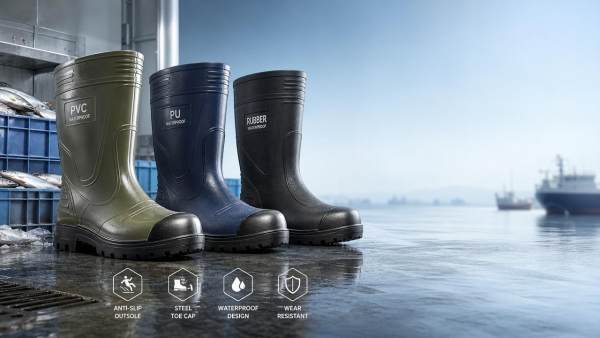
When evaluating fishing safety boots bulk purchases, the lowest unit price rarely tells the full story. Boots used in fisheries, docks, hatcheries, and seafood processing lines face saltwater, oils, cold surfaces, and constant abrasion.
A disciplined comparison process reduces costly surprises. It helps verify compliance, compare materials fairly, estimate replacement cycles, and identify suppliers that can support stable long-term supply without inflating total ownership cost.
Baseline criteria for comparing fishing safety boots bulk
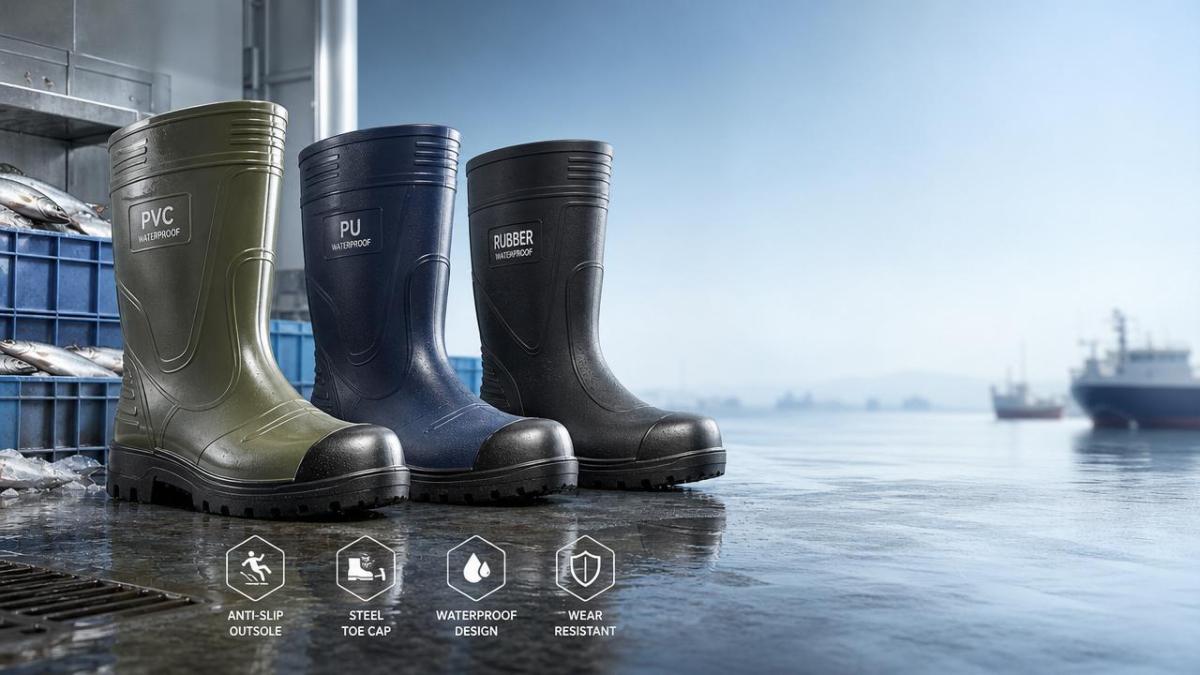
Before comparing quotes, define what fishing safety boots bulk should deliver in real working conditions. A boot for wet fish decks differs from one used in light warehouse handling.
Core features usually include slip resistance, waterproof construction, chemical tolerance, impact protection, cold-weather comfort, and easy cleaning. These factors shape service life and safety performance.
Essential specification points
- Upper material: PVC, PU, rubber, or blended compounds
- Toe protection: steel, composite, or soft toe
- Midsole protection: puncture-resistant plate if sharp debris is common
- Outsole pattern: tested grip on wet, oily, or algae-covered surfaces
- Lining and insulation: breathable or thermal depending on climate
- Shaft height and fit: support, splash protection, and mobility balance
A useful starting point is a written comparison sheet. It prevents inconsistent evaluation and keeps fishing safety boots bulk decisions tied to measurable performance rather than appearance or discount claims.
Market signals shaping bulk boot selection
Several industry trends make comparison more complex. Material costs fluctuate, compliance enforcement is tighter, and shipping disruptions can erase the benefit of an apparently cheap offer.
In aquaculture and fishery operations, footwear now sits inside broader workplace risk controls. That means documentation, traceability, and repeatable product consistency matter more than ever.
These signals explain why a simplistic fishing safety boots bulk comparison often fails. The better method combines commercial terms, technical testing, and operational fit.
True cost analysis beyond the quote price
The best fishing safety boots bulk decision usually comes from lifecycle costing. Low quotes can hide shorter wear life, higher return rates, or productivity losses caused by discomfort.
Cost elements to compare
- Unit price by size run and protection type
- Expected replacement interval in months
- Defect rate and claim handling speed
- Freight, duty, and inland delivery cost
- Packaging efficiency and carton utilization
- Inventory risk from poor sizing accuracy
- Downtime risk if shipments miss seasonal peaks
For example, a pair that lasts twelve months may outperform one costing less but failing after six months. Cost per wear period is often more useful than invoice price alone.
This is especially relevant in fishing safety boots bulk contracts where replacements, mixed sizes, and recurring orders can magnify small quality differences into major annual cost gaps.
Material, safety, and compliance checkpoints
Material selection directly affects durability and safety. PVC is often economical and waterproof. PU can be lighter and more comfortable. Rubber may offer strong flexibility and chemical resistance.
However, material labels alone are not enough. Ask for technical data that shows hardness, low-temperature performance, sole adhesion, abrasion resistance, and slip test outcomes.
Documentation worth requesting
- Product specification sheet with dimensions and weight
- Third-party test reports for safety and slip resistance
- Declarations related to applicable standards
- Chemical content or restricted substance compliance statements
- Batch traceability and quality control records
For fishing safety boots bulk, consistency matters as much as certification. One approved sample does not guarantee all later batches will match weight, sole grip, or internal fit.
A practical safeguard is pre-shipment inspection against a sealed reference sample. That step reduces the risk of receiving altered materials or downgraded components.
Typical use scenarios and product matching
Different operations need different boot profiles. Comparing fishing safety boots bulk without linking them to use conditions often leads to overspecification or costly underperformance.
This matching exercise improves budget efficiency. It prevents paying for unnecessary features while ensuring high-risk zones receive the right level of protection.
Supplier evaluation for dependable bulk purchasing
A strong fishing safety boots bulk supplier should offer more than product brochures. Reliability comes from stable manufacturing, transparent quality systems, and clear communication on lead time and claims.
Supplier comparison checklist
- Can the supplier maintain the same compound and mold across repeat orders?
- Are sample approval, production approval, and shipment approval documented?
- Is the size chart validated with actual fit data?
- What is the historical on-time shipment rate?
- How are warranty claims settled and within what timeframe?
- Can packaging and labeling support warehouse efficiency?
If possible, compare at least three suppliers using one scoring matrix. Weight technical compliance, wear performance, logistics reliability, and landed cost. This reduces bias from aggressive discounting.
For recurring fishing safety boots bulk programs, request a pilot order first. A controlled trial reveals comfort issues, sole wear patterns, and sizing inconsistencies before full rollout.
Practical steps to avoid overpaying
The most effective way to avoid overpaying is to standardize comparison. A clear process turns supplier proposals into like-for-like offers and makes hidden cost drivers visible early.
- Define the exact operating environment and protection level.
- Issue one specification sheet to all bidding suppliers.
- Collect technical documents, samples, and test evidence.
- Run short wear trials in representative conditions.
- Calculate landed cost and expected replacement frequency.
- Score suppliers on quality stability and delivery reliability.
- Negotiate based on volume, forecast visibility, and packaging efficiency.
This approach supports a better fishing safety boots bulk outcome because it values measurable performance. It also reduces the chance of paying extra later through claims, emergency reorders, or workplace incidents.
A useful next step is building a one-page evaluation template for every candidate. Include specifications, certifications, test results, trial feedback, landed cost, and reorder terms in one decision file.
With that structure in place, fishing safety boots bulk purchasing becomes more transparent, repeatable, and cost-controlled. Better comparison does not simply cut price. It protects value across the full supply cycle.
Related Intelligence
- Commercial FishingWhat Should You Check in a Fishery Equipment Maintenance Contract?What should I look for in a fishery equipment maintenance contract? Explore coverage, response times, costs, records, safety, and biosecurity essentials.
- Commercial FishingDo commercial fishing vessels with hybrid diesel-electric propulsion reduce fuel cost per kg landed by more than 12%?Commercial fishing vessels with hybrid diesel-electric propulsion *can* cut fuel cost per kg landed by >12%—but only under precise operational and infrastructure conditions. Discover the real ROI.
- Commercial FishingHow to Choose Oyster Processing Equipment for Capacity, Hygiene, and Labor EfficiencyOyster processing equipment guide: compare capacity, hygienic design, and labor efficiency to build a reliable, scalable line and make smarter buying decisions.
The Morning Broadsheet
Daily chemical briefings, market shifts, and peer-reviewed summaries delivered to your terminal.
