

The Authority in Global Agricultural Chemistry & Bio-Resources
Heavy duty PVC rain gear is not all built the same
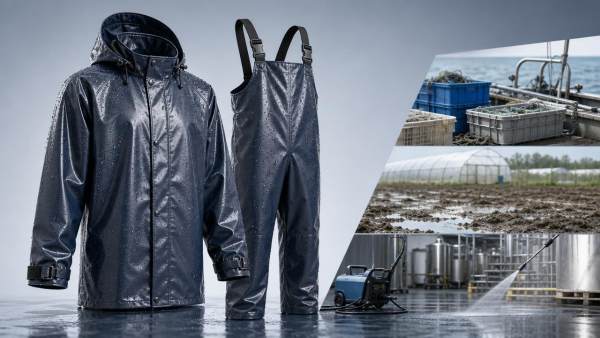
Not all heavy duty PVC rain gear delivers equal performance in wet, abrasive, and high-mobility environments.
In agriculture, fisheries, chemical handling, construction support, and outdoor logistics, gear failure creates immediate operational risk.
A jacket or bib may look similar on a rack, yet differ sharply in barrier strength, seam integrity, and long-shift comfort.
That is why heavy duty PVC rain gear should be assessed as protective equipment, not simply as seasonal outerwear.
This article explains what separates dependable heavy duty PVC rain gear from lower-grade alternatives and how to evaluate practical value.
Understanding what heavy duty PVC rain gear really means
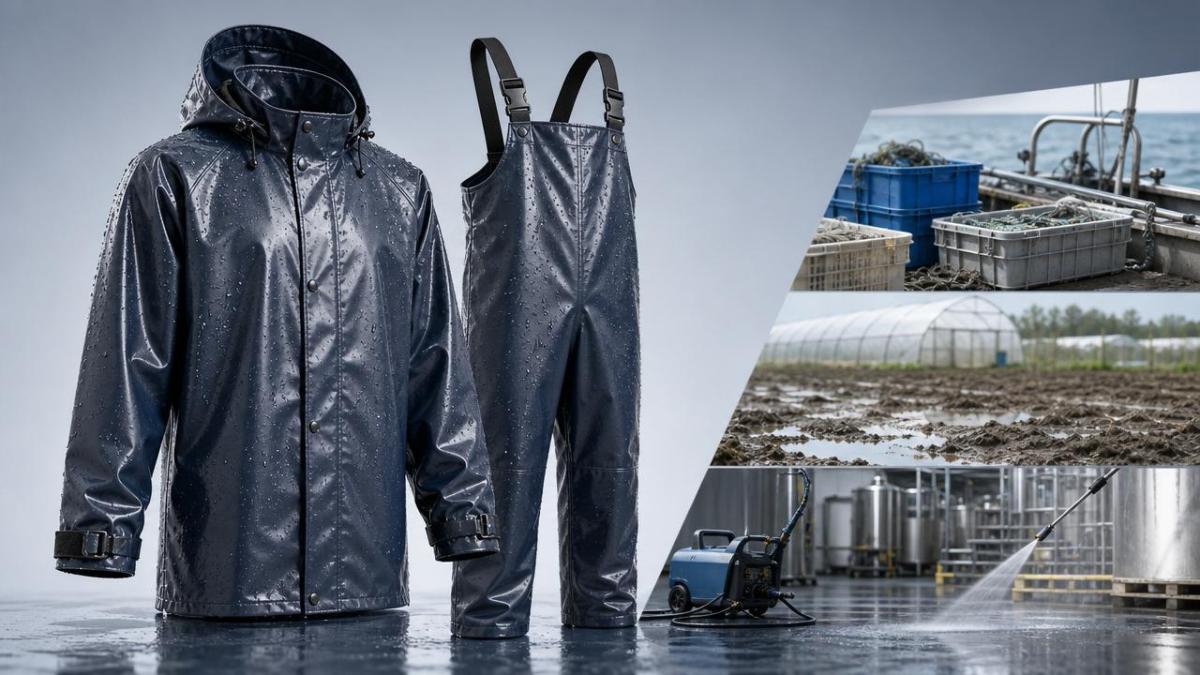
Heavy duty PVC rain gear is built from polyvinyl chloride-coated fabric designed for repeated exposure to water, mud, oils, and rough surfaces.
The term “heavy duty” should imply more than a thicker shell.
It should also indicate stronger backing fabric, reinforced seams, secure closures, and stable flexibility under difficult weather conditions.
Low-cost products often emphasize waterproof claims while ignoring tear strength, cuff sealing, and hardware durability.
As a result, they may leak, stiffen, crack, or delaminate after limited use.
Reliable heavy duty PVC rain gear usually combines waterproofing with resistance to puncture, abrasion, and contamination.
That balance matters in both industrial and non-industrial settings.
It supports productivity, hygiene control, and safer movement during prolonged exposure to rain or washdown conditions.
Core construction elements
- PVC thickness and overall fabric weight
- Polyester or blended backing for strength
- Heat-welded or double-sealed seams
- Storm flaps, snap systems, and corrosion-resistant zippers
- Adjustable hood, cuffs, and ankle closures
Why the market treats heavy duty PVC rain gear differently today
Outdoor protective apparel now sits at the intersection of compliance, worker safety, operating efficiency, and lifecycle cost control.
This shift is especially visible across primary industries and fine chemical environments.
Stricter exposure standards, variable weather, and more rigorous sanitation routines increase the demand for dependable waterproof protection.
In many settings, disposable or lightweight rainwear no longer meets practical expectations.
Heavy duty PVC rain gear remains relevant because it offers broad chemical splash resistance, easy cleaning, and consistent water blocking.
However, product quality variation has also widened.
Some items are optimized for price, while others are engineered for repeat-duty use in harsher conditions.
The performance differences that separate premium and low-grade options
The biggest mistake is judging heavy duty PVC rain gear by appearance alone.
Shine, color, and advertised waterproofing reveal little about field performance.
More useful evaluation starts with construction details.
Material weight and flexibility
Heavier material usually improves puncture and abrasion resistance.
Yet excessive stiffness can reduce mobility and increase fatigue during repetitive movement.
Good heavy duty PVC rain gear balances toughness with enough flexibility for bending, climbing, and equipment handling.
Seam technology
Seams are common failure points.
Heat-welded seams generally outperform stitched-only seams in persistent wet exposure.
Double reinforcement around knees, crotch areas, shoulders, and pocket attachments adds longer service life.
Closure design
Front openings invite water entry if the placket is weak.
Storm flaps, strong snaps, and well-protected zippers help preserve the waterproof barrier.
Poorly designed cuffs and ankles can also funnel water inward during movement.
Resistance beyond rain
Some heavy duty PVC rain gear also resists mild chemicals, animal waste, oils, fertilizers, and processing residues.
That added resistance is crucial in agriculture, aquaculture, sanitation, and materials handling.
Operational value across general industry settings
When selected properly, heavy duty PVC rain gear does more than keep clothing dry.
It helps reduce interruption, preserve comfort, and support safer performance in unstable environments.
That value appears in several ways.
- Less downtime from soaked layers and cold stress
- Lower replacement frequency when abrasion resistance is stronger
- Better visibility of wear patterns during inspection
- Simpler cleaning after exposure to mud, feed dust, or splashes
- More consistent comfort during multi-hour outdoor tasks
For general industry use, that practical resilience often matters more than fashion-oriented fit or ultralight feel.
Heavy duty PVC rain gear is especially useful where work shifts continue regardless of weather.
Typical use scenarios and selection paths
Different environments place different stress on heavy duty PVC rain gear.
Selecting by scenario improves results more than relying on generic product labels.
A two-piece set may suit variable movement and easier replacement.
A bib-and-jacket system often adds better torso protection in splash-heavy conditions.
Long coats can work well for lower-mobility tasks but may catch or drag in dense activity zones.
Practical evaluation checklist before choosing heavy duty PVC rain gear
A structured review helps filter marketing claims and identify useful differences.
- Check fabric weight and whether the backing fabric is specified.
- Inspect seam type and reinforcement at stress points.
- Review closure protection, including flaps, snaps, and zipper shielding.
- Confirm intended exposure, such as rain only or rain plus splash contact.
- Assess flexibility in cold conditions if outdoor use is year-round.
- Look for cleaning guidance and expected maintenance routines.
- Verify sizing for layering without restricting movement.
It is also wise to compare sample garments by hand.
Flex the fabric, examine welds, and test fasteners several times.
The differences in heavy duty PVC rain gear often become obvious during basic physical inspection.
Final guidance for making a reliable decision
Heavy duty PVC rain gear is not all built the same because performance depends on design discipline, not product category alone.
Material thickness, seam quality, closure protection, and task fit determine whether gear performs under real pressure.
For any wet, dirty, or splash-prone environment, reliable heavy duty PVC rain gear should be selected by exposure profile and wear cycle.
Start with the actual working conditions, list failure risks, and compare garments against that checklist.
That approach leads to better protection, better durability, and better long-term value from heavy duty PVC rain gear.
Related Intelligence
- Commercial FishingWhat Should You Check in a Fishery Equipment Maintenance Contract?What should I look for in a fishery equipment maintenance contract? Explore coverage, response times, costs, records, safety, and biosecurity essentials.
- Commercial FishingDo commercial fishing vessels with hybrid diesel-electric propulsion reduce fuel cost per kg landed by more than 12%?Commercial fishing vessels with hybrid diesel-electric propulsion *can* cut fuel cost per kg landed by >12%—but only under precise operational and infrastructure conditions. Discover the real ROI.
- Commercial FishingHow to Choose Oyster Processing Equipment for Capacity, Hygiene, and Labor EfficiencyOyster processing equipment guide: compare capacity, hygienic design, and labor efficiency to build a reliable, scalable line and make smarter buying decisions.
The Morning Broadsheet
Daily chemical briefings, market shifts, and peer-reviewed summaries delivered to your terminal.
