

The Authority in Global Agricultural Chemistry & Bio-Resources
What feed & grain processing technology cuts waste most?
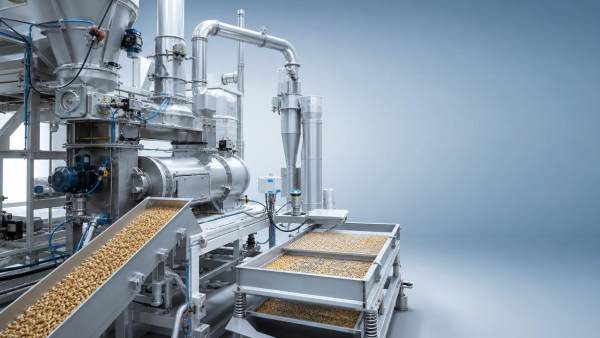
In feed manufacturing, the largest losses rarely come from headline failures. They come from dust escape, fines generation, ingredient segregation, residue carryover, and poor transfer control.
That is why Feed & Grain processing technology now sits at the center of waste reduction, compliance, and margin protection across modern plants.
The best results rarely come from one machine alone. Waste falls fastest when grinding, conveying, pelleting, aspiration, dosing, and digital monitoring work as one controlled system.
Waste reduction is shifting from housekeeping to process design
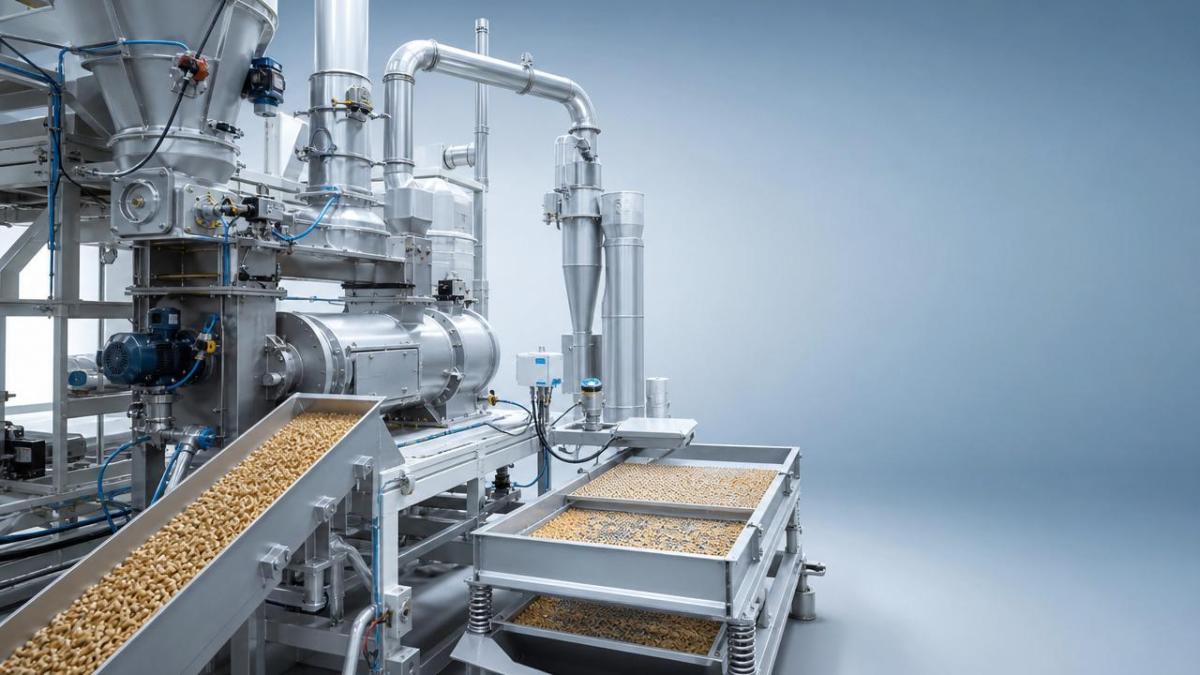
Older plants often treated material loss as an unavoidable operating cost. Current Feed & Grain processing technology challenges that assumption with measurable control points.
Three signals define the shift. First, ingredient costs remain volatile. Second, tighter food and feed safety expectations punish contamination. Third, automation now makes invisible losses visible.
This means the most effective waste-cutting systems are not always the largest capital projects. They are the technologies that reduce repeated small losses at multiple stages.
The strongest waste cuts usually come from dust, fines, and transfer control
If one category delivers the broadest impact, it is transfer and particle integrity control. Many facilities lose usable product before pelleting quality is even measured.
Poor chute angles, aggressive pneumatic handling, oversized drop heights, and unbalanced airflow create breakage, segregation, and fugitive dust. These losses multiply downstream.
Why this area outperforms isolated equipment upgrades
- It reduces visible waste and hidden shrink simultaneously.
- It improves sanitation and lowers cross-contact risk.
- It protects pellet durability and finished product uniformity.
- It lowers cleanup time around conveyors, bins, and loadout points.
For many operations, the most valuable Feed & Grain processing technology upgrade is a redesign of mechanical conveying paths plus enclosed aspiration and dust recovery.
The technologies that cut waste most at each process stage
Waste is stage-specific. The right Feed & Grain processing technology depends on where loss is created, not where it becomes visible.
Across these stages, transfer-sensitive handling and precise process control usually outperform simple throughput expansion when the goal is waste reduction.
Pelleting upgrades often show the most visible savings, but not always the deepest ones
Pellet lines attract attention because fines are easy to measure. Better conditioning, die management, steam quality, and cooler balance can sharply reduce returned material.
This makes pelleting a strong candidate for investment. Yet the deepest waste reduction may still begin earlier with particle size discipline and controlled ingredient flow.
Where pelleting technology makes the biggest difference
- Automatic steam and moisture control improves binding consistency.
- Optimized die compression reduces fracture after cooling.
- Inline fines recirculation management limits repeated degradation.
- Cooler residence control prevents brittle pellets.
The lesson is practical. The best Feed & Grain processing technology for pelleting works only when upstream grinding and downstream handling protect that pellet quality.
Digital monitoring is turning hidden loss into a controllable metric
A major trend is the pairing of mechanical improvements with data visibility. Plants increasingly track where material disappears, rather than estimating monthly shrink after inventory reconciliation.
Modern Feed & Grain processing technology now includes inline moisture sensors, motor load analytics, feeder accuracy alarms, differential pressure monitoring, and batch traceability.
Key drivers behind this shift
- Higher raw material values increase the cost of small losses.
- Audit pressure requires cleaner batch history and contamination control.
- Labor constraints make manual inspection less reliable.
- Continuous improvement programs need real baseline data.
Digital oversight rarely replaces core equipment. It amplifies value by identifying unstable zones, operator variation, and maintenance problems before waste expands.
Different business functions feel waste reduction in different ways
Waste in feed and grain systems is not just lost material. It also appears as rework hours, downtime, dust exposure, failed specifications, and uneven finished product performance.
That is why Feed & Grain processing technology affects more than production yield. It also changes sanitation routines, maintenance schedules, formulation consistency, and shipment reliability.
The best investment choices start with loss mapping, not equipment catalogs
It is tempting to ask which machine cuts waste most. The stronger question is where waste starts, where it compounds, and which intervention prevents recurrence.
Priority points worth reviewing first
- Dust collection balance at receiving, grinding, and loadout
- Particle size spread before mixing and pelleting
- Ingredient dosing accuracy for high-value additives
- Residue points that drive cross-batch contamination
- Conveyor transitions that create breakage or segregation
- Moisture drift during conditioning, cooling, and storage
When these points are measured in sequence, Feed & Grain processing technology decisions become clearer and capital is less likely to chase symptoms.
A practical path forward is staged modernization with measurable checkpoints
Large retrofits are not always necessary. Many facilities reduce waste through phased changes that combine quick fixes with longer-term automation and handling redesign.
- Measure current loss by stage, including dust, fines, residues, and rework.
- Stabilize transfer points, aspiration balance, and feeder accuracy first.
- Optimize grinding and pelleting parameters using actual product data.
- Add sensors and alarms where variation repeatedly appears.
- Review results monthly against yield, cleanup time, and complaint trends.
The Feed & Grain processing technology that cuts waste most is usually the one that protects material integrity across the whole line, not at a single step.
For operations planning the next move, start with a documented loss map, rank causes by value impact, and match upgrades to the highest-repeat failure points.
That approach delivers faster savings, stronger compliance support, and a more resilient process foundation for future capacity growth.
Related Intelligence
- Commercial Feed PelletHow to Build a Sanitary Feed Production Plan That Reduces Cross-ContaminationSanitary feed production planning: reduce cross-contamination with smarter sequencing, validated flushing, material segregation, and traceable sanitation controls.
- Commercial Feed PelletFeed Pellet Mill Sourcing: How to Vet Suppliers for Capacity, Quality, and SupportFeed pellet mill sourcing made smarter: vet suppliers for proven capacity, pellet quality, lifecycle cost, factory controls, commissioning, and reliable after-sales support.
- Commercial Feed PelletFeed Production System Price Trends: Cost Drivers and Budgeting for New LinesFeed production systems price trend insights: compare cost drivers, automation, utilities, compliance, and total ownership costs to budget smarter for new feed lines.
The Morning Broadsheet
Daily chemical briefings, market shifts, and peer-reviewed summaries delivered to your terminal.
