

The Authority in Global Agricultural Chemistry & Bio-Resources
Galvanized Feed Pellet Processing: Key Steps, Equipment Choices, and Common Defects
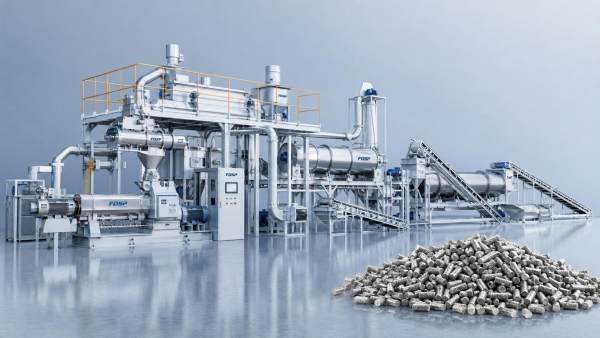
Galvanized Feed Pellet Processing: What Actually Determines Performance
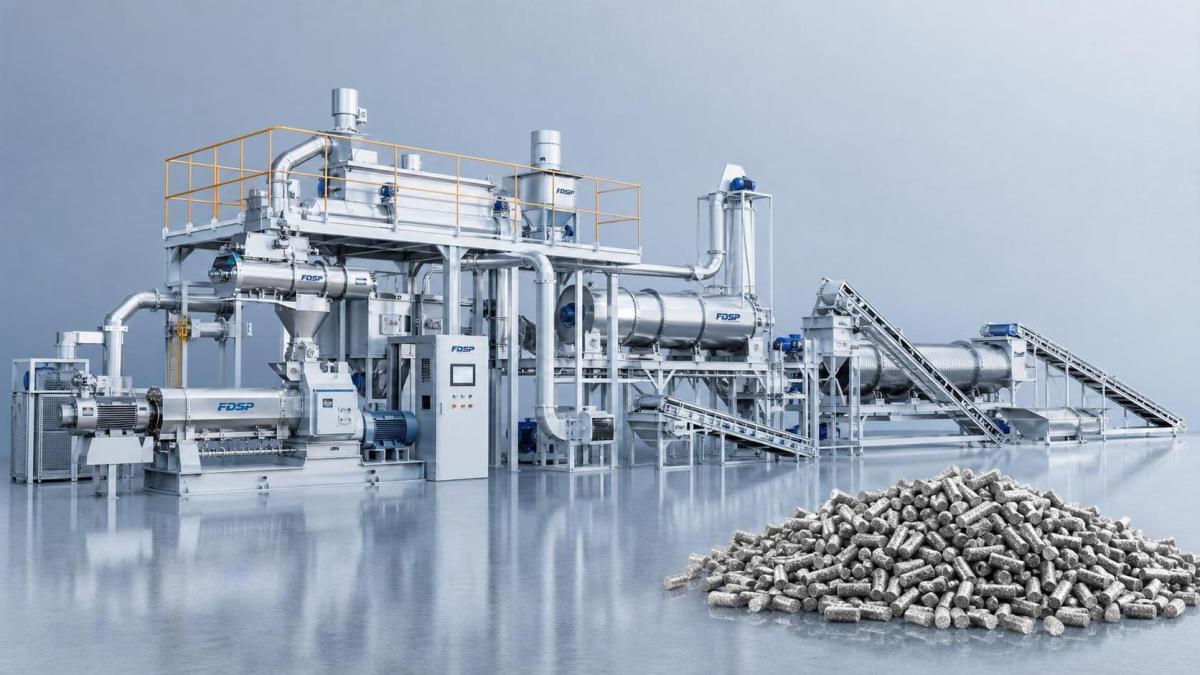
Galvanized feed pellet processing sits at the intersection of forming, surface protection, and hygiene control.
That makes it different from standard pellet production, where throughput often dominates equipment selection.
Here, coating behavior matters just as much as pellet shape, density, or hourly output.
In practical terms, galvanized feed pellet processing must protect zinc coverage while limiting heat stress, abrasion, and contamination.
That requirement influences every stage, from raw material handling to cooling, screening, and packaging.
A line can look efficient on paper yet still create premature coating loss or unstable pellet quality.
For that reason, technical evaluation should focus on process discipline rather than isolated machine specifications.
The most reliable galvanized feed pellet processing lines are built around stable temperatures, controlled residence time, and low-impact transfer points.
This also means supplier claims about durability should be checked against defect history, not only nominal capacity.
Key Steps in Galvanized Feed Pellet Processing
Most galvanized feed pellet processing systems follow a familiar sequence, but the control priorities are different.
1. Raw Material Preparation
Uniform feedstock reduces die stress and helps maintain consistent pellet geometry.
Moisture variation is especially risky because it changes friction, compression behavior, and thermal load inside the press.
If oversized particles pass forward, they can create localized pressure spikes and coating damage later.
2. Conditioning and Thermal Control
This is one of the most sensitive stages in galvanized feed pellet processing.
Conditioning must soften and homogenize the material without pushing temperatures into a range that weakens coating adhesion.
Short, stable conditioning often performs better than aggressive steam exposure followed by correction downstream.
3. Pelletizing and Die Compression
The pellet mill is the core forming unit, but die design must match the material and coating tolerance.
Excess compression improves hardness at first, yet it often raises friction and surface scoring.
In galvanized feed pellet processing, a balanced compression ratio is usually more valuable than peak compaction.
4. Cooling and Stabilization
Pellets leave the press hot and mechanically vulnerable.
If cooling airflow is uneven, the surface can craze, while internal moisture stays trapped.
That combination often leads to cracking, dust generation, and inconsistent storage performance.
5. Screening, Transfer, and Packing
Final handling determines whether earlier process gains survive to shipment.
High drop heights, hard chute angles, and poorly lined conveyors are common damage points.
A well-designed galvanized feed pellet processing line treats transfer as a quality step, not simple logistics.
Equipment Choices That Matter Most
Equipment selection should be tied to defect prevention, inspection access, and process repeatability.
Capacity still matters, but it should not outrank coating protection and cleanability.
Conditioners
Look for precise steam dosing, stable retention time, and temperature monitoring at multiple points.
In galvanized feed pellet processing, overactive conditioning can create hidden thermal damage before pellets even form.
Pellet Mills
Ring die systems usually offer better consistency at scale, but only when roll setting is tightly controlled.
Die metallurgy, hole finish, and lubrication access all affect friction and wear behavior.
Coolers
Counterflow coolers are often preferred because they remove heat more evenly and reduce sudden surface stress.
This tends to improve finish retention in galvanized feed pellet processing lines with moderate to high output.
Screens and Conveyors
Vibration intensity should be enough for fines removal without creating avoidable impact wear.
Soft-contact linings and controlled descent angles are small details with large quality effects.
Instrumentation
Reliable galvanized feed pellet processing depends on data, not operator intuition alone.
At minimum, evaluate moisture, temperature, motor load, airflow balance, and rejection rate trends.
When these readings are logged continuously, supplier comparisons become far more credible.
Common Defects and What Usually Causes Them
Most galvanized feed pellet processing defects can be traced to heat, pressure imbalance, or rough handling.
A recurring mistake is treating defects as isolated machine faults.
In reality, galvanized feed pellet processing failures often build across several linked steps.
A slightly hot conditioner, a tight die, and a steep conveyor can combine into visible coating loss.
How to Evaluate a Line Before Approval
When comparing vendors, the fastest path is a structured validation checklist.
- Confirm target temperature windows at conditioning, discharge, and post-cooling stages.
- Review die compression ratio against material variability, not only the ideal recipe.
- Inspect transfer points for hard impact surfaces, long drops, and cleaning blind spots.
- Request reject rate data, fines trends, and photographs of typical defect samples.
- Verify spare part access, maintenance intervals, and calibration routines for sensors.
- Run a pilot trial under realistic load instead of a short showcase demonstration.
This is where galvanized feed pellet processing evaluation becomes more commercial and more technical at once.
A supplier may quote strong output figures, yet poor defect control will raise lifecycle cost quickly.
More noticeably, inconsistent quality also complicates compliance documentation and customer acceptance.
Process Control Priorities for Better Lifecycle Performance
Long-term reliability in galvanized feed pellet processing usually comes from discipline in a few repeatable areas.
- Keep incoming material moisture narrow and measurable.
- Avoid chasing hardness by raising compression without thermal review.
- Use gentle conveying layouts to preserve surface condition.
- Separate sanitation checks from routine mechanical inspections.
- Trend defects by batch, shift, and machine state.
These controls do not sound dramatic, but they are usually where durable quality is built.
The stronger signal in current operations is that monitoring detail now matters as much as machine size.
That also means galvanized feed pellet processing decisions should be justified with defect evidence, process logs, and trial records.
A good line is not simply the one that runs fastest.
It is the one that protects coating integrity, limits contamination risk, and keeps performance stable over time.
For any galvanized feed pellet processing project, that is the benchmark worth using before final approval.
Related Intelligence
- Commercial Feed PelletHow to Build a Sanitary Feed Production Plan That Reduces Cross-ContaminationSanitary feed production planning: reduce cross-contamination with smarter sequencing, validated flushing, material segregation, and traceable sanitation controls.
- Commercial Feed PelletFeed Pellet Mill Sourcing: How to Vet Suppliers for Capacity, Quality, and SupportFeed pellet mill sourcing made smarter: vet suppliers for proven capacity, pellet quality, lifecycle cost, factory controls, commissioning, and reliable after-sales support.
- Commercial Feed PelletFeed Production System Price Trends: Cost Drivers and Budgeting for New LinesFeed production systems price trend insights: compare cost drivers, automation, utilities, compliance, and total ownership costs to budget smarter for new feed lines.
The Morning Broadsheet
Daily chemical briefings, market shifts, and peer-reviewed summaries delivered to your terminal.
