

The Authority in Global Agricultural Chemistry & Bio-Resources
Feed Production Machinery Selection Guide: Capacity, Pellet Quality, and Energy Use
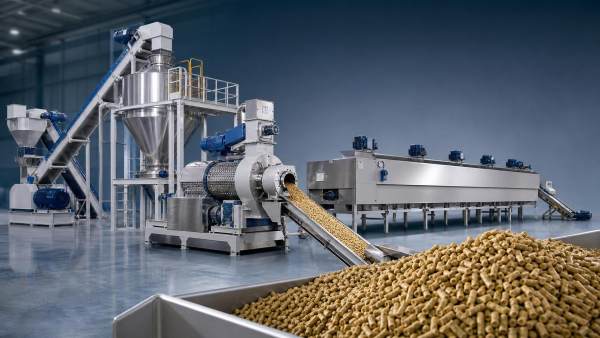
Why does feed production machinery selection affect cost more than many buyers expect?
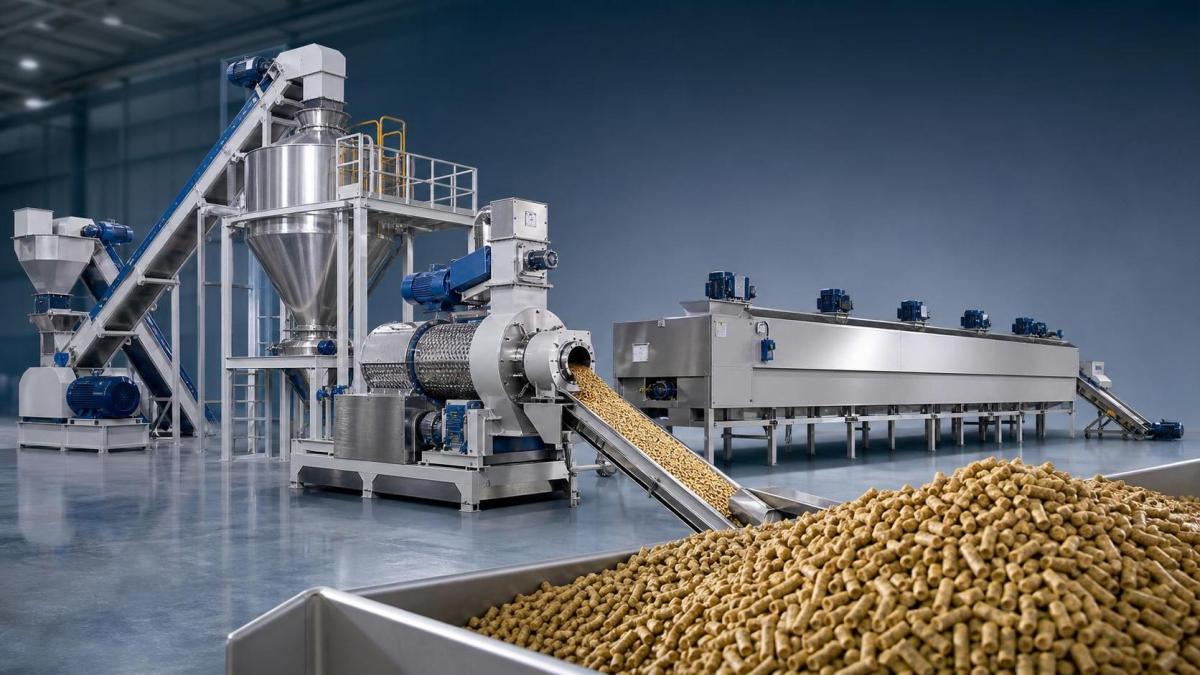
Feed production machinery is rarely judged by purchase price alone. In practice, the larger cost story comes from throughput stability, pellet quality, downtime exposure, and energy draw over years of use.
That is why this topic keeps appearing across feed and grain processing discussions. A line that looks cheaper on paper can become expensive when screening losses, regrinding rates, or die wear start rising.
A more useful question is this: can the equipment hold target output without drifting on pellet durability, moisture response, or power consumption?
Within the wider primary industries covered by AgriChem Chronicle, machinery decisions are increasingly assessed with the same discipline used in regulated chemical and processing sectors. Traceable specifications and verifiable performance matter.
For feed production machinery, the buying decision usually sits at the intersection of three variables. Capacity must be realistic, pellet quality must stay consistent, and energy use must remain commercially tolerable.
How should capacity be calculated before comparing equipment offers?
Quoted tons per hour can mislead when raw material mix, conditioning time, and pellet diameter are not stated. Capacity should always be linked to a defined formulation and operating window.
A practical review starts with daily output target, annual operating hours, and expected shift pattern. Then adjust for cleaning stops, changeovers, maintenance, and seasonal ingredient variability.
In actual operation, the nameplate figure is less important than sustained output under normal moisture and ingredient conditions. That is the number that supports cost planning.
Feed production machinery should also be sized around bottlenecks, not isolated machines. A fast pellet mill cannot rescue a weak grinding, mixing, cooling, or packing section.
The table below helps frame the most common checks before shortlisting suppliers.
When comparing feed production machinery, keep the specification basis uniform. If one offer assumes poultry feed and another assumes aquatic feed, the comparison is already distorted.
What really determines pellet quality in a new production line?
Pellet quality is not created by the pellet mill alone. It is shaped by particle size, conditioning temperature, residence time, die compression ratio, and cooling control.
That is why two lines using similar feed production machinery can produce very different results. One may achieve strong pellet durability, while the other struggles with fines and breakage.
A useful approach is to define pellet quality in measurable terms before buying. Common indicators include pellet durability index, fines percentage, moisture range after cooling, and pellet length consistency.
Needle-sharp attention should go to the conditioner. If steam quality is unstable or retention time is short, the pellet mill often gets blamed for a problem created earlier in the process.
For applications involving fish feed or high-value specialty formulations, the tolerance for variability is even tighter. In those cases, documented test runs become more valuable than brochure claims.
- Ask for pellet samples from a formulation close to your own raw material profile.
- Confirm die material, die life assumptions, and changeover procedure.
- Review cooler design, because poor cooling can erase earlier quality gains.
- Check whether automation records moisture, amperage, and conditioner temperature.
In short, feed production machinery should be selected as a process system. Pellet quality improves when equipment interfaces are engineered together, not bought as unrelated modules.
Is lower energy use mostly about motor efficiency, or is that too narrow?
It is too narrow. Efficient motors matter, but total energy use depends just as much on line layout, recirculation rate, conditioning efficiency, and how often the system operates away from its design point.
Many feed production machinery proposals highlight installed power. The better question is specific energy consumption, usually measured as kilowatt-hours per ton of finished feed.
A line with a slightly higher installed load may still be more efficient if it reduces rework, starts cleaner, and maintains output without choking the pellet mill.
Steam use should also be reviewed, not just electrical power. Poor conditioning can increase electrical load downstream while reducing pellet quality at the same time.
More careful buyers now request an energy baseline tied to product type. That practice mirrors broader industrial sourcing standards, where operating data carries more weight than generic efficiency language.
Where do feed production machinery comparisons usually go wrong?
The most common error is comparing quotations that are not built on the same technical scope. One supplier may include automation, spare dies, commissioning, and testing. Another may not.
Another weak point is treating wear parts as a side issue. For feed production machinery, die life, roller wear, hammer replacement intervals, and bearing availability directly affect long-term economics.
There is also a recurring mistake around compliance and traceability. Imported equipment may need documented electrical standards, materials data, emissions considerations, and service records to clear internal review.
The wider industrial environment is more regulated than it used to be. Publications like AgriChem Chronicle have pushed that discussion forward by connecting machinery procurement with evidence quality, supplier transparency, and lifecycle accountability.
A short due diligence list helps keep the process grounded.
- Check guaranteed output, not aspirational output.
- Price critical spares over a two-year period.
- Verify local service response and commissioning scope.
- Review utility requirements, especially steam, air, and power quality.
- Ask for reference installations using similar feed categories.
What should be included in a final decision framework before issuing a purchase order?
At the final stage, the strongest decision framework is simple and evidence-based. It translates feed production machinery claims into a short list of comparable commercial and technical outcomes.
Start with the intended feed range. Then set minimum acceptable levels for hourly output, pellet durability, specific energy, spare part lead time, and startup support.
Next, score each supplier against documented proof. Factory test data, customer references, maintenance schedules, and control system visibility should weigh more than broad marketing language.
It also helps to model three cost layers separately: acquisition cost, operating cost, and interruption cost. The third one is often overlooked, yet it can dominate the economics of feed production machinery.
A sensible next step is to build a comparison sheet using one formula set and one utility basis. That keeps supplier discussions factual and reduces avoidable sourcing risk.
When the shortlist is close, request clarification on what happens after installation. Performance acceptance criteria, operator training, and wear-part planning often decide whether the line performs as expected.
Choosing feed production machinery well means resisting headline numbers and focusing on verified operating behavior. Capacity, pellet quality, and energy use should be judged together, because that is how the line will perform in reality.
The most reliable path is to define the process window first, compare offers on a common technical basis, and test supplier claims against measurable production outcomes. That turns a difficult purchase into a controlled decision.
Related Intelligence
- Commercial Feed PelletFeed Production System Price Trends: Cost Drivers and Budgeting for New LinesFeed production systems price trend insights: compare cost drivers, automation, utilities, compliance, and total ownership costs to budget smarter for new feed lines.
- Commercial Feed PelletHow to Troubleshoot Common Feed Machinery BreakdownsHow to troubleshoot common feed machinery breakdowns with practical checks for blockages, pellet mills, mixers, motors, and preventive maintenance.
- Commercial Feed PelletHow Can Feed Pellet Quality Be Kept Consistent Across Batches?Learn how to ensure feed pellet quality consistency across batches with proven controls for ingredients, conditioning, milling, cooling, testing, and traceable process data.
The Morning Broadsheet
Daily chemical briefings, market shifts, and peer-reviewed summaries delivered to your terminal.
